
When America’s Oil Safety Net Springs a Leak: SPR Hits 40‑Year Low Amid Gas Price Surge
What’s Happening at a Glance
- U.S. Strategic Petroleum Reserve falls below 300 million barrels, the lowest level since the early 1980s.
- Geological stress on the caverns is mounting; engineers warn repeated drawdowns are weakening salt walls.
- National gasoline price hits a mid‑August record of $4.07 per gallon, squeezing drivers.
- The Energy Department denies structural risk, insisting the caverns “are always full.”
Summary
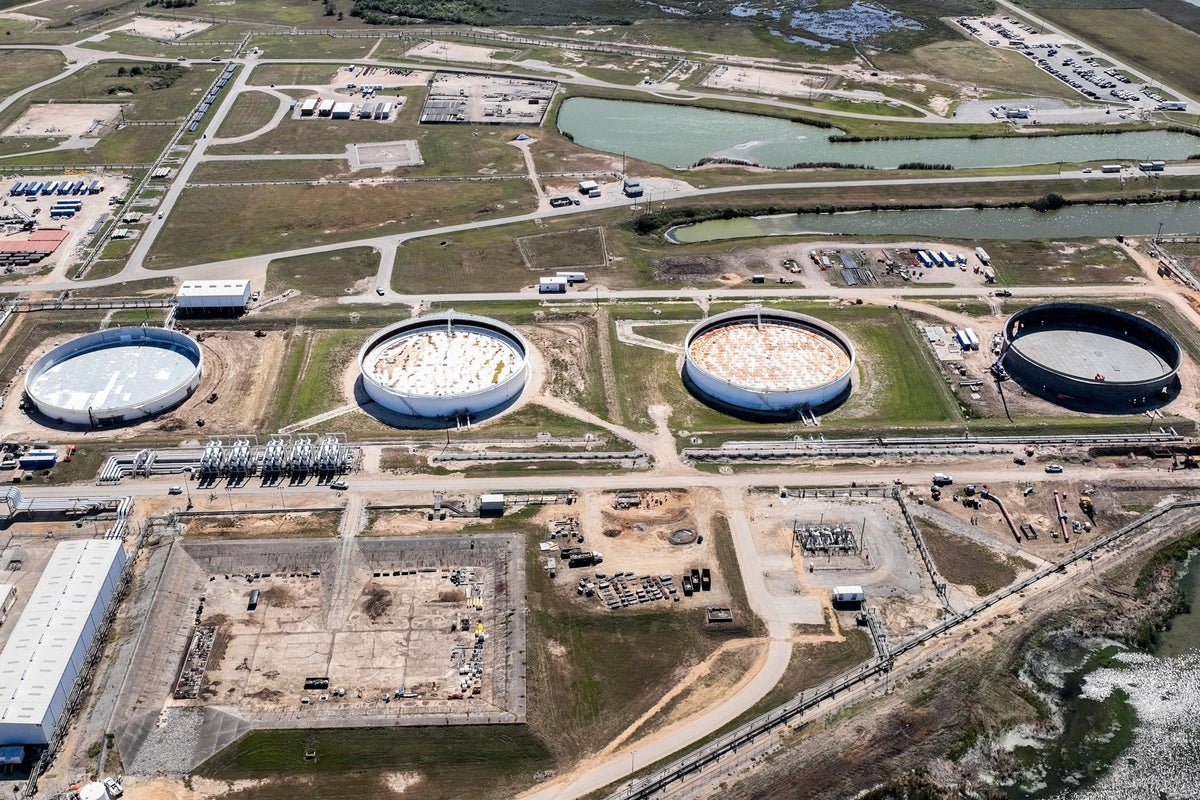
The Strategic Petroleum Reserve, once touted as America’s emergency oil vault, has been drained to its lowest level in four decades, sparking fresh warnings that the facility’s underground storage caverns are becoming unstable. Recent analyses from Texas A&M professor Siddharth Misra and other experts highlight that the relentless cycle of pumping water in and oil out – exacerbated by dozens of partial drawdowns over the past 40 years – has deformed the salt formations, raising the specter of structural collapse. At the same time, motorists are confronting a painful surge at the pump, with the national average gasoline price climbing to $4.07 per gallon, the highest mid‑August figure on record. The Energy Department has pushed back against the collapse narrative, claiming the caverns remain “always full,” yet bipartisan lawmakers and oversight reports cite mounting evidence of cavern fatigue and reduced pumping capacity. The situation underscores a growing tension between urgent political demands for oil releases and the long‑term health of the nation’s critical energy reserve.
Why This Is Happening
– The SPR was designed for five full drawdowns but has been cycled dozens of times since the early 1980s, each cycle involving water injection and oil extraction that stresses the salt walls.
– Repeated rapid drawdowns thin the critical salt pillars separating caverns, accelerating deformation and raising the risk of a structural cave‑in.
– Political pressure to release oil – first under the Trump administration, then again after Russia’s invasion of Ukraine – has driven inventory down despite warnings from engineers and oversight bodies.
– Legislative and bureaucratic decisions have prioritized short‑term supply goals over long‑term infrastructure maintenance, leaving the reserve vulnerable to both physical degradation and reliance on an asset that is now approaching its functional limits.
Impact on Americans
- Higher gasoline prices increase commuting and shipping costs, squeezing household budgets and raising inflationary pressures.
- Potential supply disruptions could affect industries that depend on steady fuel availability, from transportation to agriculture.
- Dependence on dwindling emergency stockpiles undermines confidence in U.S. energy security, influencing investor sentiment and long‑term energy policy.
- Public trust may erode if perceived governmental mismanagement of the reserve leads to future shortages or price volatility.