
Trump Says Sailors Love a 250‑Day Cruise, Calls It “Not Nearly Enough” While White House Ballroom Fight Heads to Supreme Court
What’s Happening at a Glance
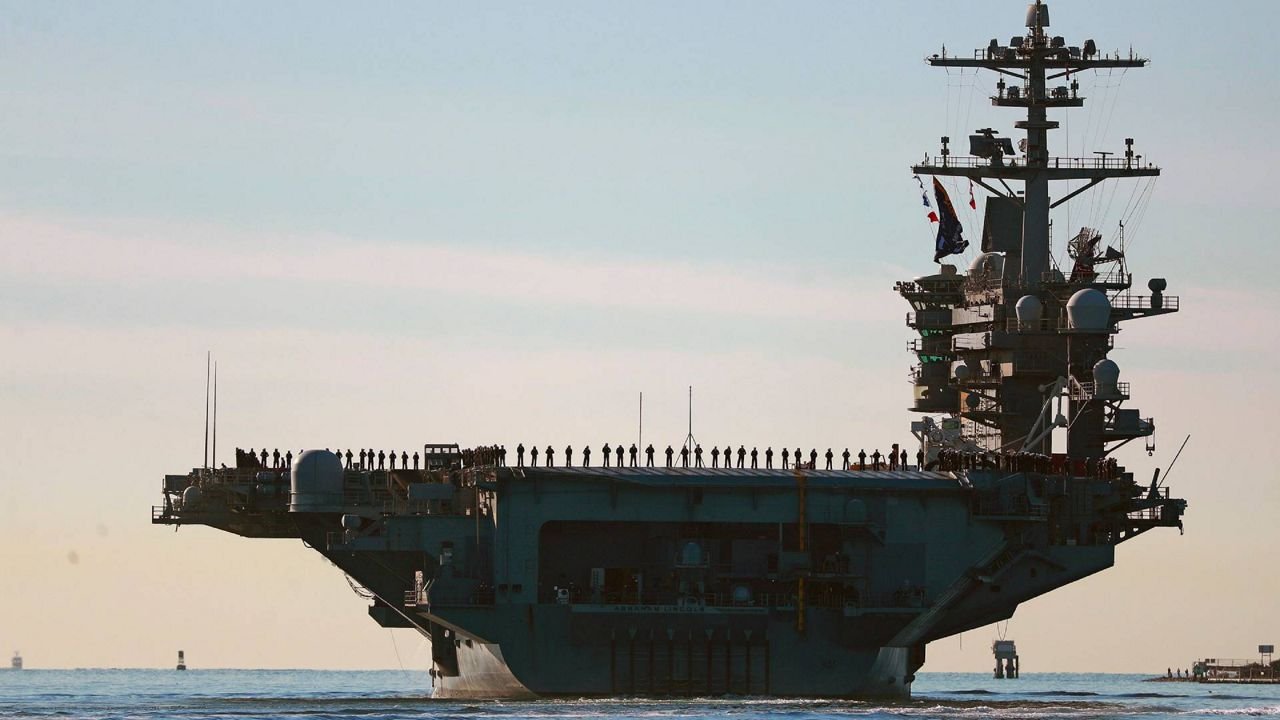
- USS Abraham Lincoln has been deployed for over 250 days, a record for an aircraft carrier, with reports of mental‑health strain and suicide attempts among sailors.
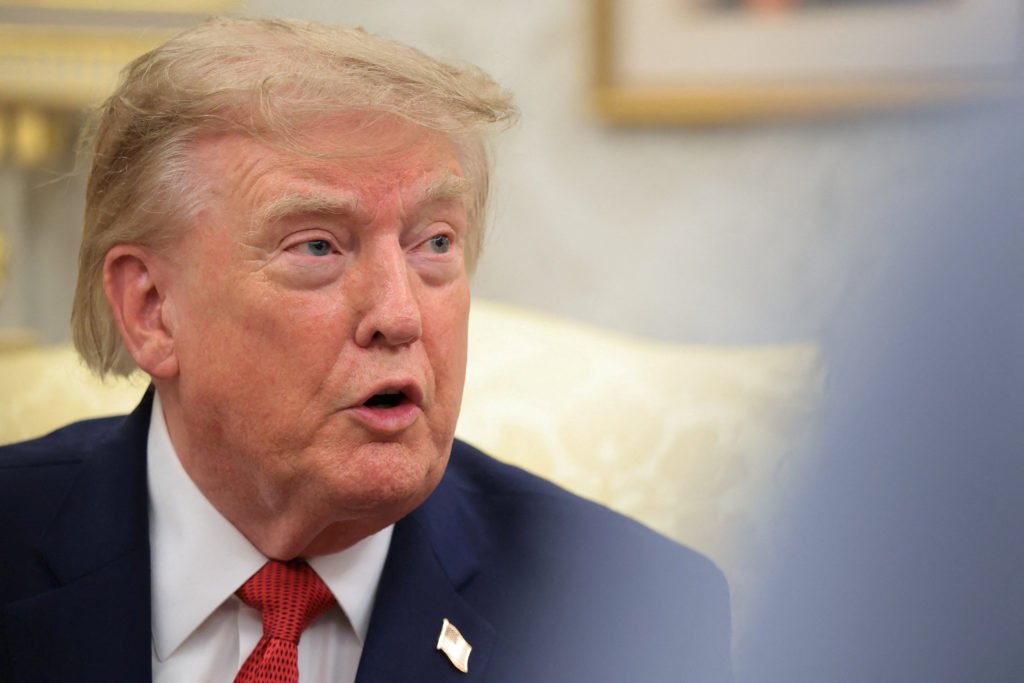
- Trump dismissed concerns, saying families are not worried and that the deployment is “not nearly enough.”
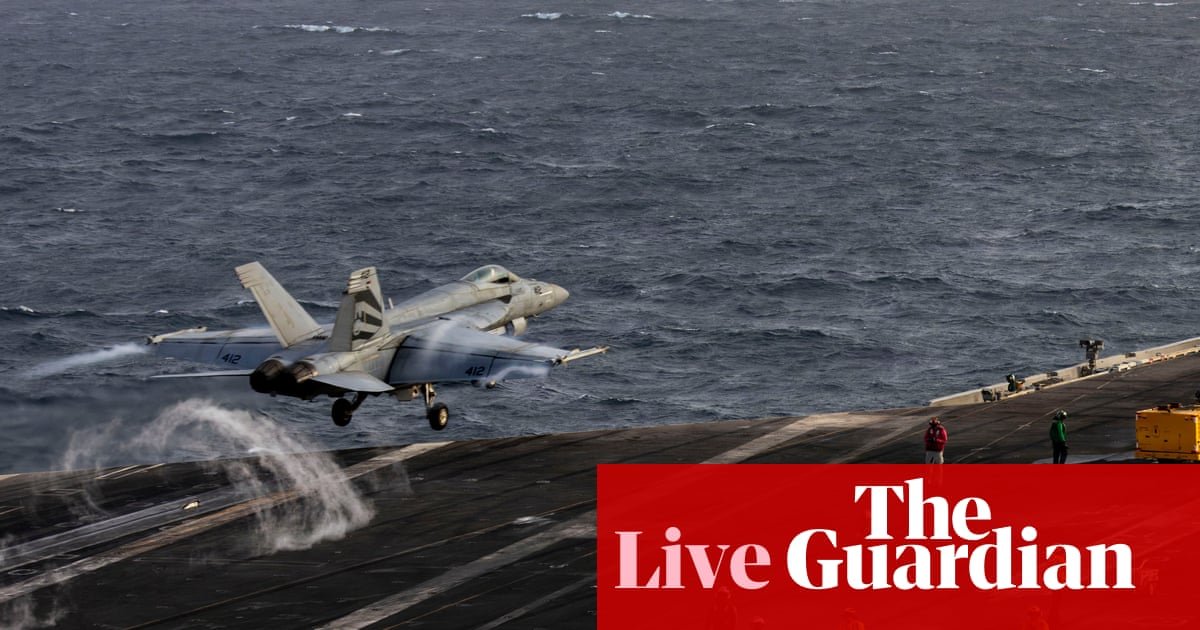
- The ship will be relieved by the USS George Washington, which is en route after being redirected to support operations near Iran.
- The Trump administration asked the Supreme Court to let construction of a $400 million White House ballroom proceed after a D.C. Circuit appeals court halted work for lacking congressional approval.
- A federal court in Nevada dismissed the DOJ’s 22nd straight attempt to force states to turn over unredacted voter rolls in the voter‑fraud investigation.
- Trump claimed prescription drug prices saw their biggest drop in 60 years, though analysts credit the Biden‑era Inflation Reduction Act for the decline.
- He repeated false claims about crime in Washington, D.C., saying it is down 81 % when data shows only a 20 % decrease and violent crime actually up.
- Bulldozers were spotted laying ground for a new border wall segment in Big Bend National Park, sparking protests from environmental groups and local officials.
- Trump praised young female White House staff as “gorgeous, beautiful girls” who thank him for making them feel safe.
- A woman was arrested for live‑streaming vandalism of the World War II memorial on the National Mall, facing two felony charges.
Summary
Donald Trump continues to downplay serious concerns about the mental health and living conditions of sailors aboard the USS Abraham Lincoln, which has been deployed for a record‑breaking 250 days without a port visit. Despite reports of suicide attempts and distressed families, Trump told reporters the deployment is “not nearly enough” and announced that the USS George Washington will relieve the carrier. At the same time, his administration is pressing the Supreme Court to allow construction of a controversial $400 million White House ballroom to proceed after a lower court ruled the project lacked congressional approval. In other legal moves, a Nevada federal court became the 22nd straight court to reject the DOJ’s effort to compel states to hand over voter‑roll data in the administration’s voter‑fraud probe. Trump also claimed credit for a historic drop in prescription drug prices, though experts point to the Biden‑era Inflation Reduction Act as the main driver, and he repeated false statements about crime reductions in Washington, D.C. Meanwhile, activists documented bulldozers preparing a new border wall segment in Big Bend National Park, drawing criticism from environmentalists and lawmakers. The president’s rhetoric also included praising young female White House staff, boasting about low gas prices despite inflation rising, and threatening to declare the Strait of Hormuz U.S. territory.
Why This Is Happening
Trump’s recent actions reflect a pattern of projecting strength and deflecting criticism as he faces multiple legal and political challenges. The USS Abraham Lincoln’s extended deployment is part of a broader naval strategy to maintain a presence in the Middle East amid tensions with Iran, but the administration avoids acknowledging the strain on crews to avoid appearing weak on military readiness. The White House ballroom fight stems from Trump’s desire to complete a signature project that he frames as a security upgrade, while opponents argue it requires congressional authorization under the Constitution’s appropriations power. The repeated voter‑roll lawsuits are part of an ongoing effort to substantiate baseless claims of widespread election fraud, a narrative that energizes his base despite consistent judicial rejections. Claims about drug prices and crime statistics serve to bolster his economic and law‑and‑order messaging ahead of elections, even when fact‑checkers contradict them. Border wall activity in Big Bend aligns with his hard‑line immigration stance, though it encounters legal and environmental pushback. Praise for female staff and inflammatory remarks about Iran and the Strait of Hormuz are typical rally‑cry tactics designed to dominate news cycles and energize supporters.
Impact on Americans
- Military families face heightened anxiety as sailors endure prolonged deployments with limited mental‑health support, potentially affecting retention and morale.
- Taxpayers may bear the cost of the White House ballroom if the Supreme Court allows construction to proceed, raising questions about federal spending priorities.
- Voters in states targeted by the DOJ’s voter‑roll requests see continued legal battles that could erode trust in election integrity, even though no fraud has been proven.
- Seniors and Medicare beneficiaries could see drug‑price relief driven by the Inflation Reduction Act, contrary to Trump’s claims of his own administration’s impact.
- Residents near Big Bend National Park risk environmental damage, loss of recreational access, and potential legal disputes over federal land use.
- Border communities may experience increased surveillance and construction activity, affecting local economies and ecosystems.
- General public receives mixed messages about inflation, gas prices, and crime, which can shape perceptions of economic safety and influence voting behavior.