
Democrats Go “Midwest‑Mad” to Reclaim Working‑Class Whites While Republicans Keep Farm Subsidies on Tap
What’s Happening at a Glance
- Democrats are fielding record numbers of governor and Senate candidates in the industrial Midwest and Farm Belt, a shift not seen since Obama’s early years.
- The GOP’s grip is loosening because of rising living costs, farm income squeezes, and a backlash against Trump’s economic policies.
- Key battlegrounds now include Ohio, Iowa, and even Nebraska and Kansas – states that have trended solidly red since 2010.
- Democrats hope to win by narrowing Republican margins in rural counties, even if they can’t flip the deep‑red heartland.
Summary
Since the early 2000s, the Midwest and Farm Belt have swung like a pendulum between the two parties. In 2009, Democrats held 18 of 26 Senate seats and 8 of 13 governorships in the 13 states that make up the region. A 2010 midterm backlash, coupled with the party’s leftward shift on social issues and a growing appetite for federal farm subsidies, flipped most of those seats to Republicans. By 2024, the GOP controlled 18 Senate seats and 7 governorships, while Democrats were left with a handful of blue‑state strongholds.
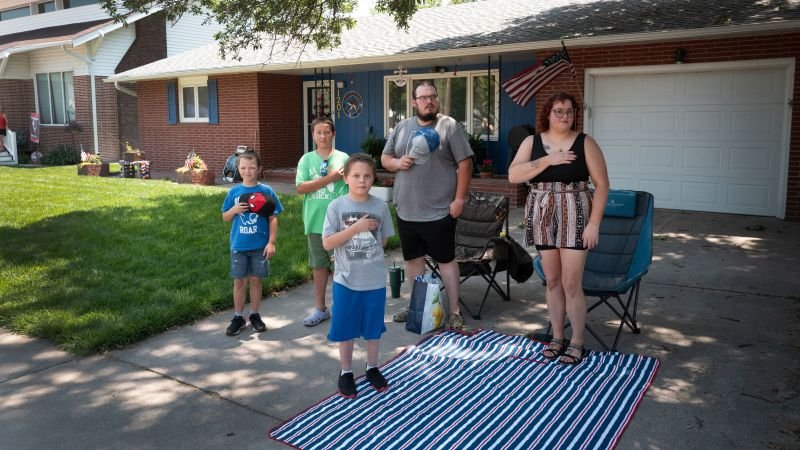
Now, in 2026, Democrats are mounting a comeback. They are contesting every major race in Ohio, Iowa, and even Nebraska and Kansas, where Trump’s 2024 support among working‑class white voters has eroded. The party’s strategy hinges on two levers: the economy – particularly high gas prices, rising fertilizer costs, and a perceived failure of Trump’s tariffs – and the appeal of a more moderate, locally focused platform that can resonate with rural voters. Republicans, meanwhile, are banking on targeted farm subsidies (up to $50 billion this year) and a “localize the election” message to keep the narrative away from Washington.
The stakes are high. A Democratic win in Ohio or Iowa could flip a Senate seat and shift the balance of power in Congress, while a Republican hold could cement the GOP’s dominance in the heartland. The outcome will also shape policy on farm subsidies, rural healthcare, and infrastructure spending – issues that directly affect millions of everyday Americans.
Why This Is Happening
– Historical swing: The Midwest was a battleground during Obama’s era, but the 2010 midterm backlash and the party’s progressive shift alienated working‑class white voters.
– Economic discontent: Rising living costs, high gas prices, and farm income squeezes have eroded confidence in Trump’s economic stewardship.
– Policy focus: Republicans are offering large federal subsidies to farms and rural hospitals, while Democrats are emphasizing economic relief and a return to “performance” politics.
– Demographic shifts: The decline in Trump’s approval among college‑educated white voters and the rise in disapproval among non‑white voters give Democrats a chance to broaden their base.
– Strategic recruitment: Democrats are fielding candidates who can appeal to both urban progressives and rural moderates, while Republicans are leveraging incumbency and targeted messaging.
Impact on Americans
- Farmers: Potential for increased federal subsidies could stabilize farm incomes but also tie farmers to federal policy cycles.
- Rural hospitals: A $50 billion “One Big Beautiful Bill” could improve access to care, but funding is contingent on political control.
- Working‑class voters: Economic messaging may influence job prospects, wage growth, and cost of living; a Democratic win could shift focus to social safety nets.
- Infrastructure: Congressional shifts could affect funding for roads, broadband, and public transit in mid‑size towns and rural counties.
- Political engagement: The heightened competition may increase voter turnout and civic participation in traditionally low‑turnout areas.