
Supreme Court Stalls on Metering: Because Who Needs Asylum Seekers Anyway?
What’s Happening at a Glance
- The Court is debating whether to revive the “metering” policy that stops asylum seekers before they reach the U.S. border.
- Trump‑era officials argue the policy is a legal tool to manage border surges; Biden‑era advocates say it violates U.S. and international law.
- The case hinges on the legal definition of “arriving in” the United States and whether the policy is still relevant after it was rescinded.
- A ruling could either reopen the door for the policy or leave the status quo unchanged, affecting hundreds of thousands of asylum petitions.
Summary
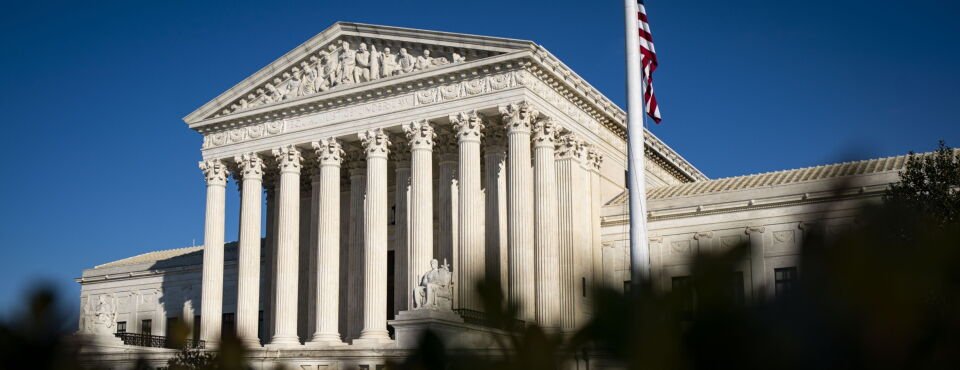
The U.S. Supreme Court heard arguments in Kristi Noem v. Al Otro Lado, a case that could determine whether the “metering” policy – first introduced by the Obama administration, expanded under Trump, and rescinded by Biden – can be reinstated. The policy places Customs and Border Protection officers on the U.S. side of the border to stop asylum seekers when ports of entry are at capacity, effectively preventing them from filing asylum claims. The government argues that the policy complies with the Immigration and Nationality Act’s requirement that an asylum seeker “arrives in” the United States before their petition is inspected. Opponents, represented by Al Otro Lado, contend that the policy violates the Administrative Procedure Act and U.S. treaty obligations, and that the definition of “arrive in” has long meant reaching a port of entry.
During oral arguments, justices pressed the government’s legal team on the precise meaning of “arrive in,” with some suggesting that the policy would stop people even before they physically crossed the border. The Court’s decision could either allow the policy to resume – potentially cutting the number of asylum petitions by hundreds of thousands – or leave the policy dead, maintaining the current flow of asylum seekers. The case reflects a broader partisan divide over border enforcement and the legal limits of executive power.
Why This Is Happening
The metering policy emerged in 2016 as a temporary measure to manage surges at the southern border. It was expanded under the Trump administration as a permanent tool, then rescinded by President Biden in 2021. The policy’s legality has been contested since 2017, when Al Otro Lado sued, leading to a Ninth Circuit ruling that it violated the Administrative Procedure Act. The Supreme Court’s current review is prompted by the Trump administration’s request to re‑authorize the policy, citing the Immigration and Nationality Act’s “arrive in” requirement. The Court’s deliberations also reflect ongoing tensions over how the U.S. interprets its obligations under international refugee law and the extent of executive discretion in immigration enforcement.
Impact on Americans
- Asylum seekers may face longer waits or be denied the chance to file claims, potentially leaving them stranded in Mexico or in limbo.
- U.S. citizens and businesses could see changes in labor markets if fewer migrants enter the country, affecting industries that rely on immigrant labor.
- The decision may influence future immigration policy debates, shaping how the U.S. balances border security with humanitarian commitments.
- Legal uncertainty could affect the operations of NGOs, law firms, and courts that handle asylum cases, increasing costs and delays for applicants.