

U.S. Imposes 50% Tariffs on $20 Billion of Canadian Goods as Trade Talks Collapse; Canada Vows Retaliation
National Sentiment
Divided
What’s Happening at a Glance
- U.S. triggers 50% duties on $20 billion of Canadian products at midnight after negotiations fail
- Canada announces immediate, dollar‑for‑dollar retaliatory tariffs and suspends trade talks
- Tensions spark political pushback across Canadian provinces and raise concerns over U.S. job losses
- The dispute centers on unused Section 338 tariff authority and potential legal challenges
Summary
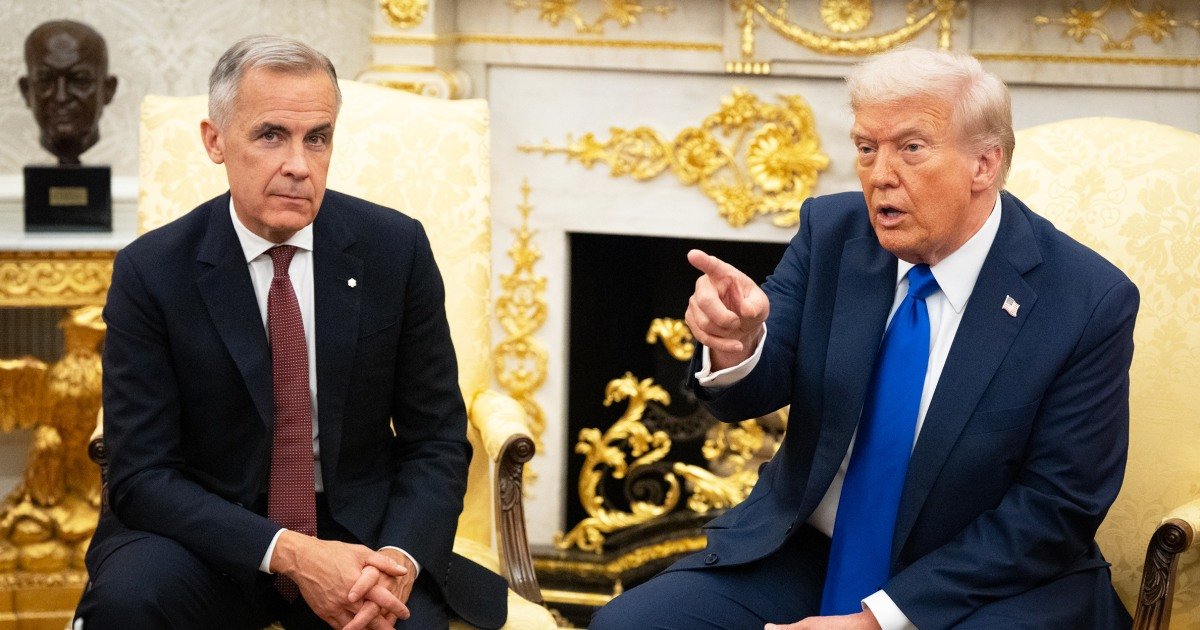
The United States enacted a 50% tariff on roughly $20 billion of Canadian imports at the stroke of midnight, ending weeks of behind‑the‑scenes negotiations that had shown brief promise of a revised North American trade pact. Canadian Prime Minister Mark Carney declared the talks collapsed, ordered his negotiators home, and pledged to match the U.S. duties “dollar for dollar” to defend Canadian workers and businesses. The tariffs, applied under a seldom‑used Section 338 provision of the 1930 Tariff Act, target a broad range of goods from hockey sticks to liquors and building materials.
U.S. Trade Representative Jamieson Greer later stated that Canada “declined to finalize” the agreement, citing last‑minute changes and new demands that upset the balance of a previously reached understanding. The move elicited strong reactions: Ontario Premier Doug Ford voiced full support for a reciprocal response, while Manitoba’s premier urged a hard‑line stance, and Quebec’s premier examined the implications for the province’s dairy sector. The U.S. Chamber of Commerce warned that higher tariffs could damage both economies, raise costs for American families, and jeopardize roughly 13 million jobs tied to the trade relationship.
The episode marks a sharp break from the traditionally cooperative history between the two nations, underscoring how contemporary trade policy can quickly transform into a political flashpoint ahead of U.S. midterm elections. Both governments now face legal challenges to the tariffs and mounting pressure from businesses, provincial leaders, and a public increasingly wary of economic fallout.
Why It Matters
The dispute rests on an unprecedented use of Section 338 of the 1930 Tariff Act, which permits up to 50% duties when a trading partner is deemed to “discriminate” against U.S. commerce, a tool never before deployed. Historically, the United States and Canada have maintained one of the world’s most integrated trading relationships, exchanging $880 billion in goods and services annually and supporting millions of cross‑border jobs. The current tariff escalation threatens to unravel the fragile consensus that underpinned the USMCA, potentially destabilizing supply chains for steel, aluminum, automobiles, and lumber. Politically, the episode reflects a shift toward more confrontational trade tactics that could set precedents for future negotiations with other allies. The outcome will affect not only corporate strategy and investment decisions but also the broader economic landscape for households and communities dependent on seamless cross‑border trade.
National Impact
- Government impact: Both the U.S. Trade Representative’s office and Canada’s Ministry of Finance face scrutiny over the use of emergency tariff authority and the potential for legislative push‑back
- Citizen impact: American and Canadian consumers may see higher prices on a range of goods, from alcoholic beverages to building materials
- Business impact: Industries reliant on cross‑border supply chains – especially steel, aluminum, auto manufacturing, and retail – confront increased costs and uncertainty
- Community impact: Local economies near major ports and border crossings could experience job pressures and reduced economic activity
- Institutional impact: Legal bodies may be called upon to adjudicate the legality of the tariffs, while trade councils and chambers of commerce reevaluate cross‑border investment strategies
Impact on People
- Households: Higher retail prices on imported products could strain family budgets, especially for discretionary items
- Communities: Border towns that rely on daily trade flows may see reduced commerce and heightened economic anxiety
- Public services: Potential revenue shortfalls could affect municipal budgets that depend on sales tax from cross‑border shopping
- Education: Colleges and universities with cross‑border student enrollment may face financial pressures if trade uncertainty persists
- Healthcare: Medical device and pharmaceutical supply chains could experience delays or cost increases, affecting patient access
- Public safety: Heightened tensions could influence law‑enforcement resources in border regions dealing with increased scrutiny of goods
Key Organizations & Institutions
- U.S. Trade Representative (Jamieson Greer)
- Office of the U.S. President (Donald Trump)
- Canadian Prime Minister’s Office (Mark Carney)
- Canadian Ministry of Finance and International Trade
- Canadian provinces (Ontario, Manitoba, Quebec) and their premiers
- U.S. Chamber of Commerce
- Canadian Chamber of Commerce
- Congressional and legislative bodies in both countries
- Federal courts (potential legal challenges)
Future Outlook
With no further negotiations scheduled, the tariffs are expected to remain in place pending legal review, while both sides may seek off‑ramps through targeted concessions or a renewed push to modernize the USMCA. Political pressure from provincial leaders and business groups could force a compromise, but the risk of an extended tit‑for‑tat tariff cycle threatens to keep markets volatile and public sentiment uneasy in the months ahead.