
Supreme Court Lets Trump Re-Instantiate McFlurry-Style Border Chaos, Because Why Not?
What’s Happening at a Glance
- Supreme Court sides 6-3 to allow Trump admin to revive a border policy limiting daily asylum applications.
- Policy, called "metering," previously caused overcrowded shelters during Obama and Trump administrations.
- DHS is allowed to implement it anew, though they haven’t confirmed plans yet.
- Court majority argues migrants haven’t “arrived” until processed, sidestepping asylum rights.
Summary
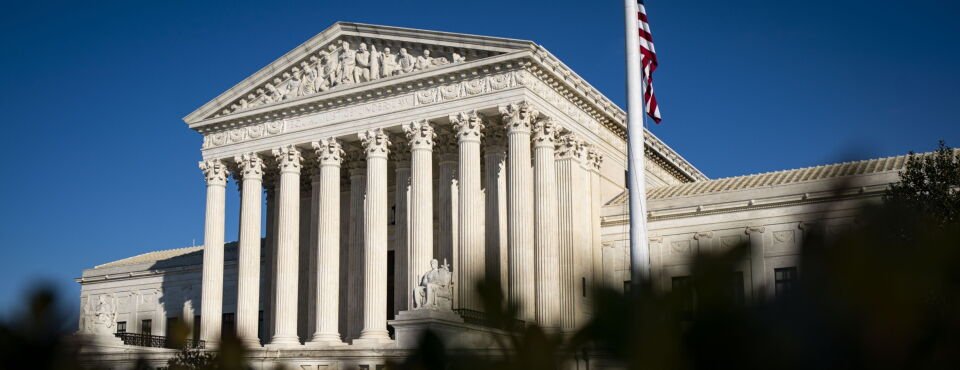
The Supreme Court just handed the Trump administration a green light to resurrect a controversial immigration policy called "metering," which caps the number of asylum seekers processed daily at the U.S.-Mexico border. This rule, used under both Obama and Trump, faced legal challenges for creating humanitarian crises as migrants waited in unsafe conditions. The 6-3 ruling, with conservative justices supporting it and liberals dissenting, argues that asylum claims only apply after migrants are "inside" the U.S. Advocacy groups warn this will worsen border chaos, while DHS claims metering is a bipartisan tool to manage surges. The decision is part of a broader immigration litmus test this term, which also includes fights over birthright citizenship and protections for migrants from specific countries.
Why This Is Happening
Metering was first used in 2014 under Obama to handle a Haitian refugee surge, then expanded under Trump. It fell out of use during COVID lockdowns and Biden’s presidency. A federal judge blocked it in 2021, ruling it violated asylum seekers’ rights. The Supreme Court’s conservative majority, led by Justice Alito, justified reviving it by claiming migrants aren’t “in” the U.S. until processed. This reasoning echoes a 1990s Supreme Court case used to dismiss similar arguments, highlighting a conservative legal strategy to limit asylum access. The administration and courts argue metering prevents overwhelming border resources, though critics say it ignores the law’s intent to protect persecuted individuals.
Impact on Americans
- Could delay or block asylum claims for thousands, leaving vulnerable migrants in dangerous conditions.
- May increase undocumented immigration as people avoid official processes out of fear.
- Heightens criticism of U.S. asylum systems as inhumane, potentially eroding international reputation.
- Sets a legal precedent that could make it harder to defend asylum rights in future cases.