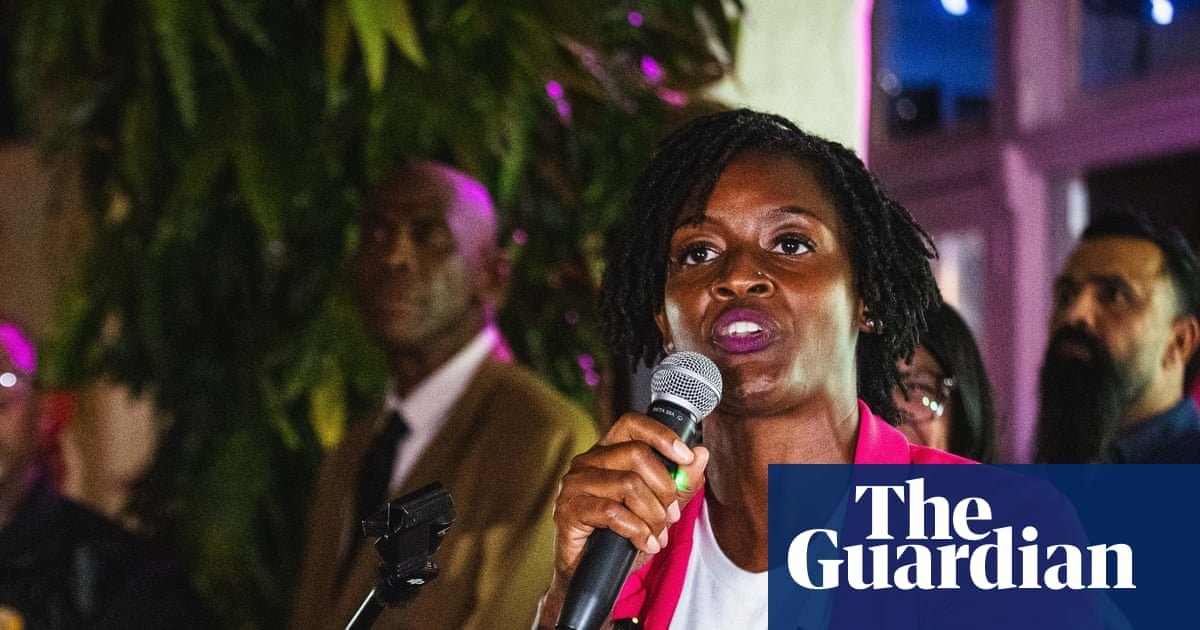

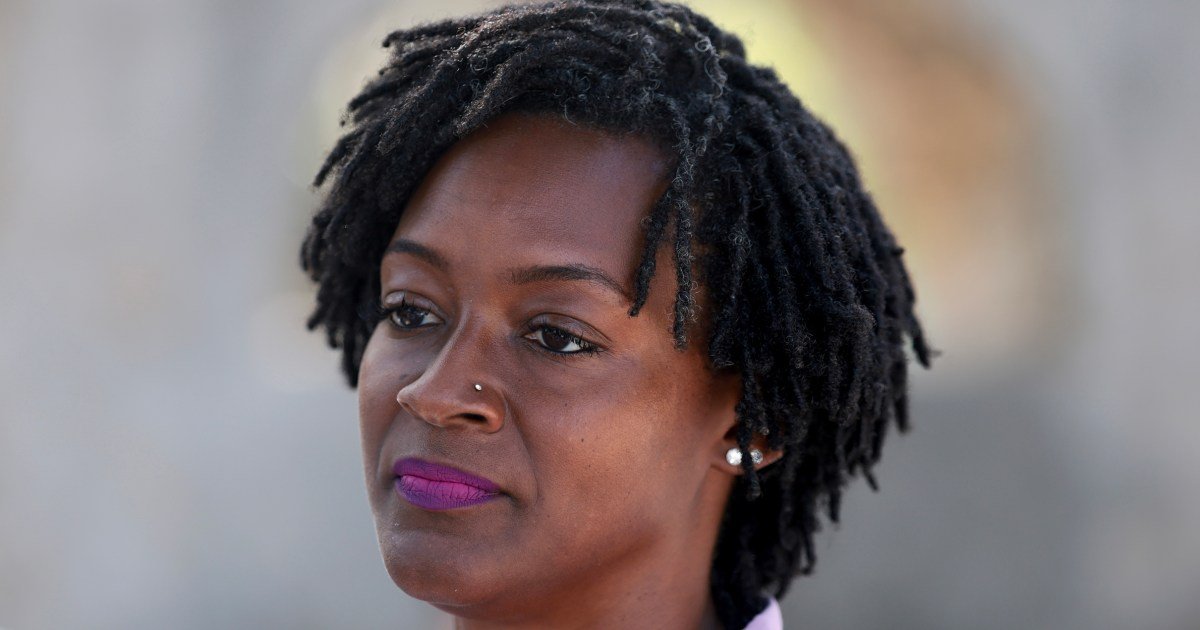
Progressive Rep. Angie Nixon Defeats Vindman in Florida Democratic Senate Primary, Setting Up Race Against GOP Senator Ashley Moody
National Sentiment
Mixed
What’s Happening at a Glance
- Nixon, a Democratic Socialist and union organizer, upset Vindman, a nationally recognized impeachment witness, in the state’s Democratic Senate primary.
- Vindman raised roughly $16 million, far outspending Nixon, but failed to secure the party’s nomination.
- Nixon will now challenge Senator Ashley Moody, appointed by Governor Ron DeSantis, for the remainder of Marco Rubio’s Senate seat.
- The contest highlights tensions within the state’s Democratic Party over progressive policies, including stances on U.S. aid to Israel.
Summary
Progressive state Representative Angie Nixon secured a decisive victory in Florida’s Democratic Senate primary, defeating former National Security Council aide Alex Vindman, who had been viewed as the frontrunner and had raised about $16 million for his campaign. Nixon, who had raised just over $900,000, will now face Republican Senator Ashley Moody in the general election for the seat that Marco Rubio vacated to join the Trump administration. The primary highlighted a clash between establishment‑backed moderate progressives and more grassroots, socialist‑aligned candidates, with the Democratic Senate Campaign Committee backing Nixon despite Vindman’s national profile and significant fundraising advantage.
The general election will determine who ultimately fills the final two years of Rubio’s Senate term, a position that has been held temporarily by Moody since her appointment by Governor Ron DeSantis. Nixon’s platform includes calls to cut U.S. military aid to Israel and to abolish Immigration and Customs Enforcement, positions that have drawn both support from progressive voters and criticism from party members and opponents. Meanwhile, Vindman, a veteran of the Ukraine impeachment inquiry, emphasized unity against Moody and signaled he will support Nixon in the upcoming race, underscoring a strategic alliance within the Democratic Party.
National Republican Senatorial Committee quickly denounced Nixon as a “socialist,” while Democratic leaders praised her dedication to “working families” and contrasted her agenda with Moody’s record on health care and insurance interests. The primary outcome reflects broader national trends of progressive insurgents challenging established Democrats in swing states, potentially reshaping the party’s approach in traditionally Republican‑leaning regions like Florida.
Why It Matters
The primary underscores a pivotal shift in Florida’s Democratic politics, where progressive candidates are increasingly able to compete for high‑profile offices despite the state’s Republican tilt. Nixon’s victory signals that socialist‑identified candidates can win primaries and challenge incumbents, influencing party strategy and resource allocation. Her advocacy for reducing U.S. aid to Israel places her at odds with parts of her own party and highlights debates over foreign policy and human‑rights considerations. Additionally, the race will test the Democratic Party’s ability to mount viable Senate challenges in a deeply red state, affecting national conversations about progressive policy viability and electoral messaging.
National Impact
- Government impact: Nixon’s win alters the Democratic lineup for a key Senate seat, potentially affecting Senate composition and committee assignments.
- Citizen impact: Florida voters will have a clear contrast between progressive policies and the incumbent Republican agenda, influencing representation and policy direction.
- Business impact: Nixon’s stance on cutting aid to Israel and regulating corporate practices may affect federal contracts and trade relations.
- Community impact: Her union‑organizing background could energize labor groups and community organizations across the state.
- Institutional impact: The outcome may influence Democratic Congressional Campaign Committee and DSCC strategies for future races in swing states.
Impact on People
- Households: Potential policy changes on health care, rent freezes, and immigration could affect household budgets and living conditions.
- Communities: Nixon’s emphasis on union rights may boost organizer activities and community solidarity.
- Public services: Her proposals could alter funding allocations for social programs and public safety initiatives.
- Education: Policies may impact state funding for higher education and labor‑related curricula.
- Healthcare: Advocacy for expanded health coverage may influence state and federal health programs.
- Public safety: Her approach to law enforcement and immigration may change local policing priorities.
Key Organizations & Institutions
- Government agencies: Democratic Senatorial Campaign Committee, National Republican Senatorial Committee, Florida Department of State
- Institutions: Florida House of Representatives, U.S. Senate, Congressional Campaign committees
- Organizations: Democratic Socialists of America, SEIU Florida, labor unions
- Officials: Senator Ashley Moody, Rep. Angie Nixon, Senator Marco Rubio, Governor Ron DeSantis, Senate Minority Leader Chuck Schumer, Senator Kristen Gillibrand
- Courts: None directly involved in this primary
Future Outlook
Nixon will now face Senator Ashley Moody in a November showdown that could determine the party’s ability to flip a Senate seat in a Republican‑leaning state. The outcome will influence national Democratic strategy, especially regarding progressive candidates in future contests. Vindman’s endorsement of Nixon suggests a unified front, but internal party tensions over policy positions such as Israel aid may shape campaign dynamics. Observers expect increased national attention and funding for both parties as the general election approaches.