

Your Vacation Pics Are Now a GPS for Scammers: AI Turns Holiday Snaps Into Bank‑Heist Clues
Industry Sentiment
Risky
What’s Happening at a Glance
- AI can locate where a photo was taken using only visual cues, no metadata needed
- McAfee tests show 87‑91% accuracy identifying travel locations from public images
- Criminals use the inferred location to make phishing texts and emails seem credible
- Experts advise delaying posts until after travel and tightening privacy settings
Summary
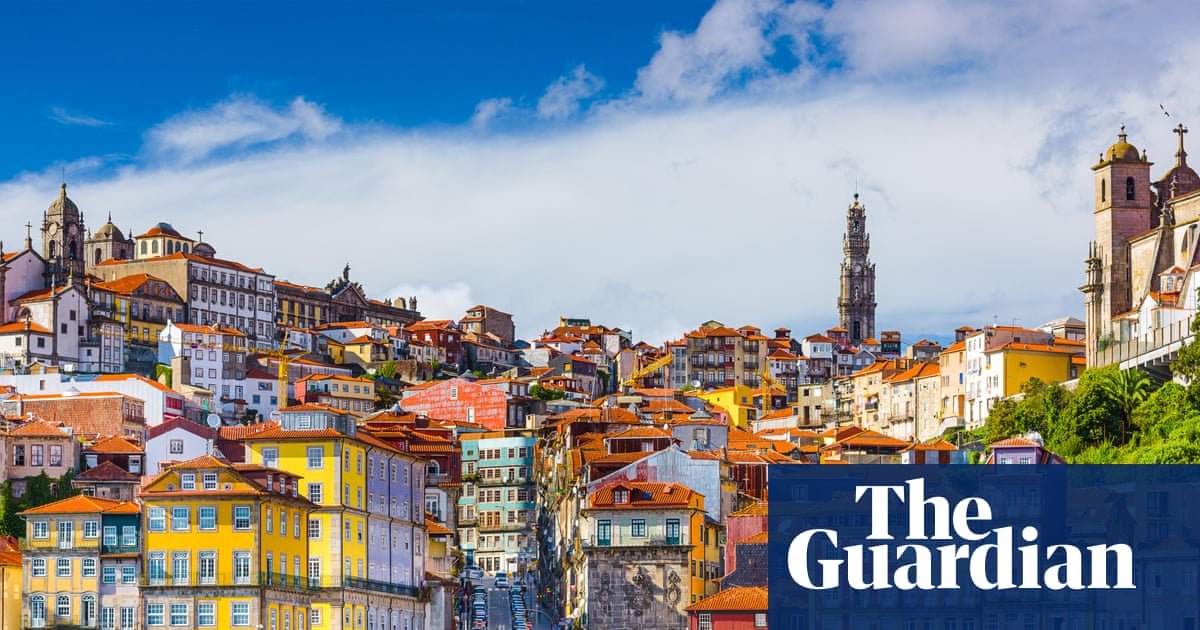
Fraudsters are leveraging freely available AI image‑analysis tools to deduce the geographic origin of pictures posted on social media platforms like Instagram and Facebook. By detecting subtle background details – architecture, signage, lighting, or even floral patterns – the AI can pinpoint a user’s recent travel destination with high accuracy. Armed with this location data, scammers craft convincing text or email messages that claim suspicious bank activity occurred while the victim was “travelling in Porto” or another specific place, increasing the likelihood that the target will click malicious links and divulge banking credentials. McAfee’s research, which evaluated over 21,000 travel images using two open‑source models, confirmed that even photos lacking explicit geotags or timestamps can be localized, underscoring a new privacy threat in the era of ubiquitous photo sharing.
Why This Is Happening
The rapid advancement of computer vision models, particularly those trained on vast datasets of street‑level imagery, enables precise scene recognition without relying on metadata. Simultaneously, the sheer volume of personal photos shared publicly on social platforms provides rich training and inference material for both legitimate services and malicious actors. Cybercriminals exploit this capability to add a veneer of legitimacy to social engineering attacks, making phishing attempts appear tailored and urgent. The low cost and easy accessibility of open‑source AI models lower the barrier for fraudsters, while many users remain unaware that their casual snapshots can reveal precise whereabouts.
Key Industry Impact
- Big tech: Platforms face pressure to improve automatic detection of location‑leaking content and to educate users on privacy risks
- Startup ecosystem: Opportunities for security‑focused AI startups offering image‑sanitization or scam‑prevention tools
- AI development: Highlights dual‑use nature of advanced vision models; may spur research into privacy‑preserving image sharing
- Jobs/workforce: Growing demand for cybersecurity analysts and AI ethics specialists to counter image‑based fraud
- Consumer market: Heightened skepticism toward unsolicited messages referencing personal travel could erode trust in digital communications
- Regulatory implications: Potential calls for stricter guidelines on AI model dissemination and stricter data‑minimization practices for social media
Impact on People
- Consumer experience: Users must scrutinize unexpected bank alerts and verify through official channels, adding friction to digital banking
- Privacy/data: Personal photos inadvertently disclose location data, undermining expectations of anonymity in casual sharing
- Employment: Security teams see increased workload investigating AI‑enabled phishing; training programs may need to address visual‑intel threats
- Accessibility: Less tech‑savvy individuals may be disproportionately vulnerable to sophisticated location‑based scams
- Pricing: Potential rise in costs for fraud‑prevention services and insurance premiums as image‑based attacks proliferate
- Daily life: Everyday photo sharing becomes a risk assessment activity, altering behavior around travel and social posting
Emerging Technologies
- AI tools: Open‑source vision models (e.g., CLIP, ResNet variants) capable of scene classification and geolocation inference
- Hardware: Smartphone cameras and edge AI chips enabling on‑device image analysis that could be abused or defended against
- Software: Image‑metadata stripping utilities, AI‑driven content‑scanning APIs, and real‑time phishing detection platforms
- Platforms: Social media networks exploring AI‑based photo‑privacy filters and location‑obfuscation features
- Infrastructure: Cloud‑based threat intelligence feeds that correlate image‑derived locations with known fraud campaigns
- Research trends: Studies on privacy‑preserving image sharing, differential privacy for visual data, and adversarial defenses against model inversion
Key Companies
- Major corporations: McAfee (research and anti‑virus), Meta (Facebook/Instagram), Google (AI vision research)
- Startups: Companies focusing on AI‑driven fraud detection (e.g., Sift, Feedzai), image privacy startups (e.g., Everpic, Jumio)
- Investors: Venture funds backing cybersecurity AI (e.g., Sequoia Capital’s cyber arm, Andreessen Horowitz)
- Government agencies: Relevant bodies such as the FTC, ENISA, and potential future guidance from NIST on AI‑generated privacy risks