

US Bond Market Explodes Like a Popcorn Machine on Fire: Global Debt Chaos Unleashed
Economic Sentiment
Heating Up / Cooler Than Yesterday
What’s Happening at a Glance
- Global bond yields (US, Japan, Eurozone) spike to multi-year highs
- Oil prices nearing $100/barrel fuel renewed inflation concerns
- US, Japan, and UK Treasuries sell off as investors seek AI-linked investments
- Japan shifts from buying US debt to holding its own after rate hike signals
Summary
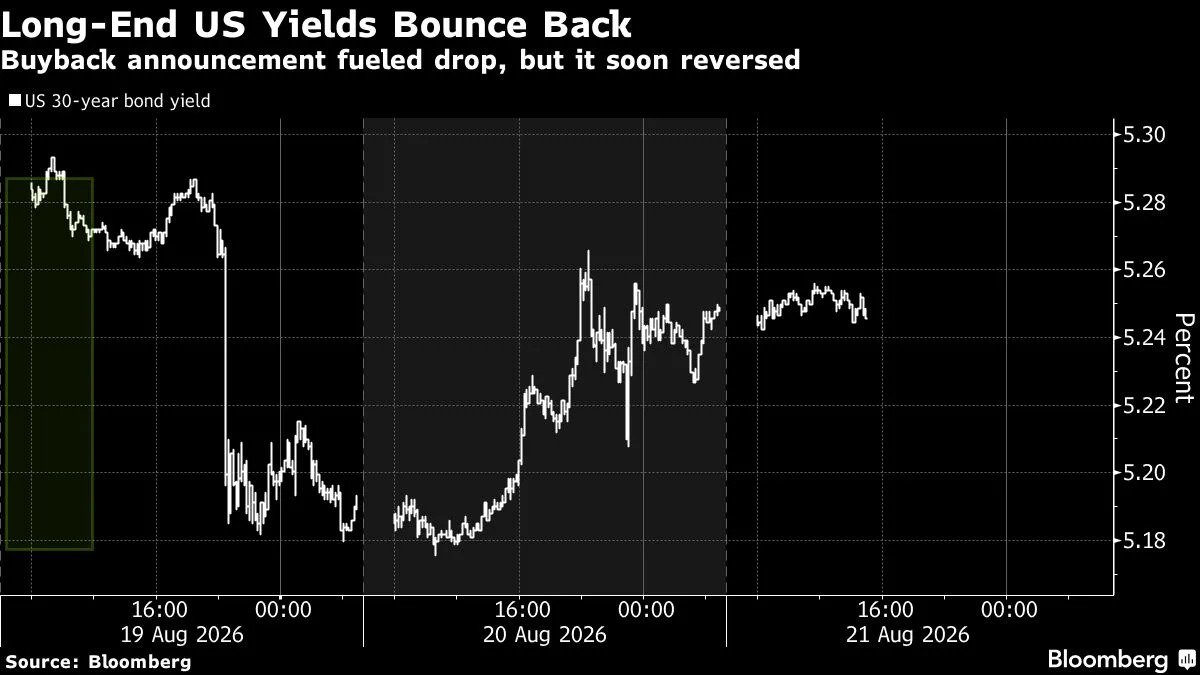
Global bond markets entered a volatile phase as rising inflation fears drove US, Japanese, and European yields to decade-level peaks, with implications extending to consumer spending, business investment, and housing markets. Thirty-year US yields hit 2007-era highs at 5.216%, while Japan’s 30-year rate briefly surpassed 4%, forcing investors to reassess the once-dominant US dollar safe-haven narrative. Analysts blame a mix of geopolitical instability (soaring oil prices amid stalled Iran talks), aggressive central bank policies (ECB hiking rates), and structural shifts like AI data center demand crowding out debt. Japanese investors are notably reducing US greenback exposure, signaling a broad trend toward local assets after the Bank of Japan signaled near-term rate hikes. The selloff in long-term debt risks tightening financial conditions: mortgage rates now exceed 7%, while corporate borrowing costs climb. Yet some strategists foresee a temporary market overreaction, arguing that yields may correct once the Fed signals rate-cut potential post-Q4 2024.
Why This Is Happening
The selloff stems from three converging pressures: 1) Inflation rebound from oil prices up 50% year-on-year, pushing PCE estimates above the Fed’s 2% target; 2) Macro conflicts as Japan and Eurozone central banks tighten policy (ECB’s hawkish stance reflected in 3.25% deposit rate), creating competition for global capital; 3) Structural debt concerns – US Treasury sales of 10+ year bonds drew lackluster demand due to rising concerns about Kevin Warsh’s leadership at the Fed alienating markets. Japan’s pivot to holding ¥155T debt amid 1.5% inflation protests and ¥140T stimulus efforts destabilized the carry trade dynamic where investors had bet on rate differentials. Equally pivotal: AI infrastructure spending, requiring $500B+ in global equity capital, diverts institutional focus from sovereign bonds. Treasury Secretary Janet Yellen’s July auction of $42B 30-year debt – yields surging to 5.216% – raised alarms about U.S. fiscal sustainability, undermining confidence in the $33.7T national debt.
Key Economic Impact
Impact on People
Key Economic Indicators
Future Outlook
The bond rally hinges on Fed communication: If hawkish rhetoric persists, yields could top 5.5% by Q4 on crashing prices. However, Crowe Research notes the "peak rate" assumption remains intact – the Treasury’s $1T 2030 fiscal budget deficit may demand liquidity injections. Japan’s BOJ intervening to prop the yen could harmonize global rates, but lingering AI demand (shares up 22% this cycle) might create winner-take-all divergences. Watch for September Fed dot plot revisions: 8 of 19 officials now forecast three cuts in 2025. Long-term, debt-ceiling battles and de-dollarization risks could reignite the 2023 Treasury panic.