

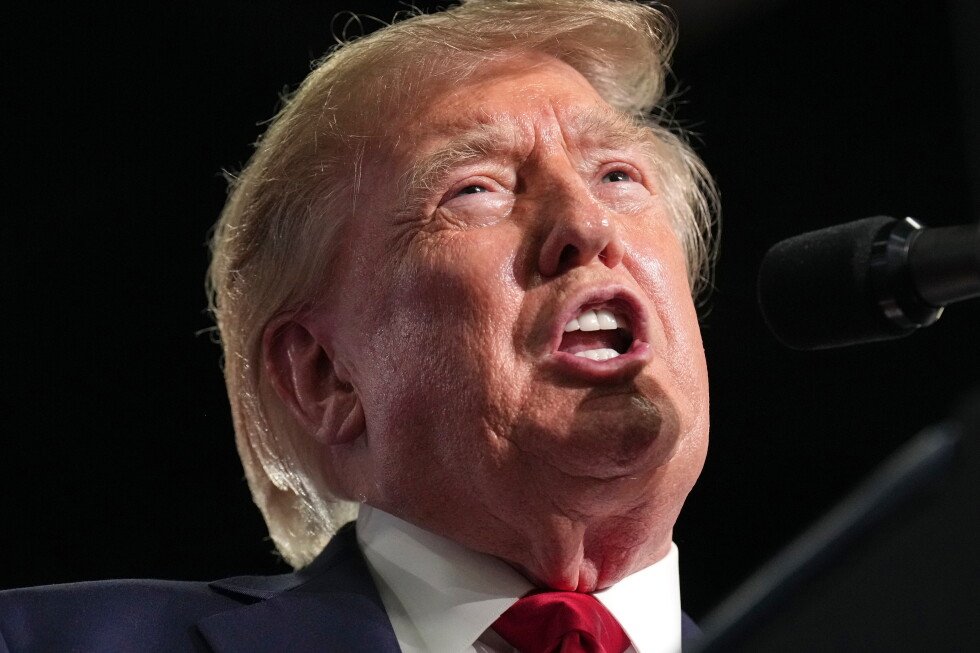
Trump rallies South Carolina base behind Graham in pivotal GOP Senate runoff
National Sentiment
Divided
What’s Happening at a Glance
- President Donald Trump campaigned for Sen. Darline Graham at a Myrtle Beach rally on Friday, urging voters to turn out for Tuesday’s runoff.
- Trump framed the race as a national security and border issue, repeatedly reading lyrics from “The Snake” to emphasize his immigration stance.
- Graham, appointed to fill the late Lindsey Graham’s seat, defended her political inexperience and thanked Trump for his endorsement.
- The runoff will decide the Republican nominee to face Democrats in the November special election for the Senate seat.
Summary
President Donald Trump traveled to Myrtle Beach, South Carolina on Friday to give a last‑minute boost to Sen. Darline Graham, his chosen candidate in the GOP primary runoff to replace the late Sen. Lindsey Graham. Speaking before a crowd of thousands at the Myrtle Beach Convention Center, Trump told supporters that “I am on the ballot… our country’s on the ballot” and urged them to vote for Graham, framing the race as a test of Republican unity and border security. He punctuated his remarks with a dance to the Village People’s “YMCA” and a reading of the 1960s song “The Snake,” which he has used in past campaigns to warn about unauthorized immigration.
Graham, who was appointed to finish her brother’s term after his death, responded to critics who question her political experience by saying “Guilty as charged” and highlighted her record as head of a state agency. She thanked Trump for his endorsement and invoked the legacy of her late brother, Lindsey Graham, while calling on voters to bring ten friends to the polls. The rally came just four days before the August 25 runoff, in which Graham faces U.S. Rep. Ralph Norman for the Republican nomination. Early voting had ended the previous day, and both candidates have been making final appeals to voters across the state.
The event underscores Trump’s continued influence over Republican primary contests, even as he is not on the ballot himself. A win for Graham would solidify the former president’s endorsement power in a key swing state and could affect the GOP’s chances of retaining Senate control in the November midterms. Conversely, a Norman victory would signal limits to Trump’s sway in South Carolina and potentially shift the party’s direction on issues such as immigration and government spending.
Why It Matters
The South Carolina Senate runoff is a bellwether for Trump’s ability to shape GOP nominations nationwide. With the late Senator Lindsey Graham’s seat vacant, the outcome will determine which Republican faces a Democratic challenger in the special election later this year. Trump’s personal involvement – campaigning, issuing endorsements, and framing the race around his signature issues of border security and “America First” – highlights how the former president remains a kingmaker within the party despite his legal challenges and absent ballot presence. A Graham victory would reinforce the incumbent‑style, establishment‑friendly wing of the GOP that aligns closely with Trump’s agenda, while a Norman win could embolden more fiscally conservative, Trump‑skeptical factions. The race also feeds into broader midterm dynamics, as Republicans seek to hold a slim Senate majority and Democrats aim to flip seats in battleground states.
National Impact
- Government impact: Determines the Republican nominee for a pivotal Senate seat that could influence party control of the chamber.
- Citizen impact: Engages South Carolina voters in a high‑profile contest, potentially boosting turnout and political engagement.
- Business impact: Minimal direct effect, though policy outcomes on immigration, taxation, and defense could affect local industries.
- Community impact: Raises political salience in Myrtle Beach and surrounding areas, with local events and security measures tied to the rally.
- Institutional impact: Tests the strength of Trump’s endorsement network within the GOP and shapes the party’s messaging heading into the midterms.
Impact on People
- Households: Voters receive competing messages on taxes, immigration, and national security that may influence household financial and security concerns.
- Communities: Rally‑related traffic, security, and heightened political activity affect Myrtle Beach residents and local businesses.
- Public services: Local law enforcement and emergency services coordinated security for the event, illustrating the strain of high‑profile political visits.
- Education: No direct impact reported, though civic engagement from the rally may stimulate student interest in politics.
- Healthcare: No direct impact reported; however, broader policy debates touched on by Trump (e.g., border security) intersect with public health considerations.
- Public safety: The rally prompted a significant security operation, including road closures and airport temporary flight restrictions, underscoring safety considerations for large political gatherings.
Key Organizations & Institutions
- Government agencies: White House, U.S. Secret Service (implied security), Department of Homeland Security (border rhetoric)
- Institutions: Myrtle Beach Convention Center, Joint Base Andrews (Md.)
- Organizations: MAGA Inc., Republican Party (GOP), South Carolina Republican Party
- Officials: President Donald Trump, Sen. Darline Graham (R‑SC), Rep. Ralph Norman (R‑SC), Gov. Henry McMaster, White House Press Secretary Karoline Leavitt
- Courts: U.S. Supreme Court (referenced in related ballroom case, not directly part of rally)
- Public bodies: South Carolina State Election Commission (overseeing runoff)
Future Outlook
The Republican primary runoff will be decided on Tuesday, August 25. If Darline Graham prevails, she will become the GOP nominee and face a Democratic challenger in the November special election, with Trump likely to continue campaigning on her behalf. A win for Ralph Norman would signal a pushback against Trump’s endorsements in South Carolina and could influence how the former president allocates his political action committee resources in other midterm races. Regardless of the outcome, the rally demonstrates Trump’s enduring ability to mobilize his base and shape GOP narratives ahead of the national midterm elections. The aftermath will also see continued focus on related issues such as the White House ballroom project, UN funding debates, and data center policy, which Trump touched on during his remarks.