
GTA 6 LEAK ROUND 2: ROCKSTAR'S NIGHTMARE OR INTERNET'S BEST MEME FUEL?
Industry Sentiment
Mixed
What’s Happening at a Glance
- Multiple GTA 6 gameplay videos and a map image surfaced online this week
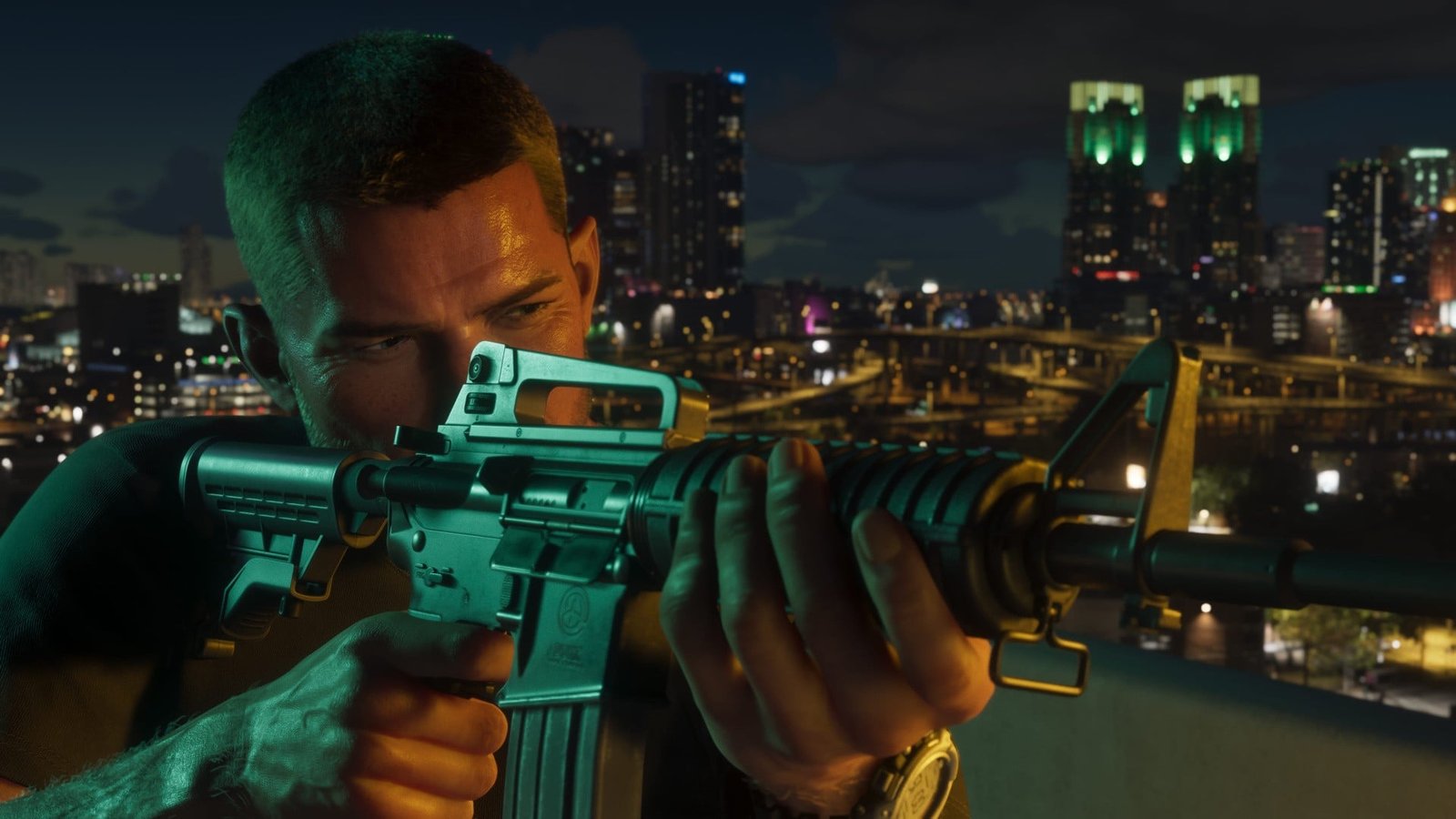
- Leaked content appears to show protagonist Jason in various scenarios
- Rockstar Games and Take-Two Interactive actively issuing takedown requests
- Mystery group "CyberLeek" claims responsibility with demands against publishers
- New footage expected during Netflix Extended Look event on August 27
- Some leaked materials later debunked as fake by online sleuths
Summary
Fresh GTA 6 gameplay footage has leaked online, marking another chapter in the game's history of security breaches. The leaked videos show protagonist Jason playing basketball in his backyard and another featuring driving and combat sequences. An image claiming to be the full in-game map has also circulated social media platforms. What distinguishes this leak from previous incidents is the involvement of a hacker collective called CyberLeek, which has published a manifesto criticizing major gaming publishers for their shift toward digital-only releases and removal of physical media. The group has demanded changes from Rockstar and other publishers, threatening further leaks if their concerns aren't addressed. Both Rockstar Games and parent company Take-Two Interactive have been working to remove the leaked content from various platforms, suggesting authenticity. However, online investigators have already debunked some of the leaked materials, including a map screenshot that was shown to be easily replicable using browser developer tools. The timing is particularly sensitive as Rockstar prepares for their Netflix Extended Look event scheduled for August 27, which will showcase new footage before moving to YouTube and other platforms six hours later.
Why This Is Happening
The recurring GTA 6 leaks stem from several converging factors. First, the game's development cycle has stretched over many years, creating numerous opportunities for security gaps and insider access. Second, the gaming industry's ongoing shift toward digital distribution – exemplified by GTA 6's lack of a physical disc option – has frustrated consumers who view this as restrictive and potentially harmful to long-term accessibility. Third, the massive cultural anticipation surrounding GTA 6 makes any leak instantly viral content, incentivizing hackers to target the franchise repeatedly. Additionally, the involvement of CyberLeek reflects broader discontent among gamers regarding corporate practices like removing purchased single-player content or making games unplayable post-launch, as seen with Ubisoft's The Crew controversy. The group's actions appear motivated by both ideological opposition to current industry trends and potential financial gain through their associated cryptocurrency promotion. Meanwhile, Rockstar's aggressive takedown strategy indicates they're trying to protect their upcoming August 27 Netflix event, which represents a significant investment in controlled marketing rollout. The pattern of leaks followed by debunking also highlights how social media amplifies speculation faster than verification, creating a feedback loop that keeps these incidents trending even when portions are proven fake.
Key Industry Impact
- Big tech impact: Reinforces concerns about digital-only future and content ownership in gaming
- Startup ecosystem: Highlights risks facing indie developers from similar piracy and leak threats
- Developers/engineering: Forces studios to invest more heavily in internal security measures and leak prevention protocols
- Consumer technology: Increases pressure on platforms to develop better automated detection systems for leaked copyrighted material
- Regulatory implications: May prompt lawmakers to reconsider digital rights management laws and consumer protections for virtual goods
- Business competition: Puts pressure on competitors like Sony and Microsoft to justify their own digital strategies amid growing backlash
Impact on People
- Consumer experience: Creates confusion between authentic and fake leaks, making it harder to trust unofficial sources
- Privacy/data usage: Raises questions about data protection within major game development studios and third-party contractors
- Employment/jobs: Could lead to increased hiring of security specialists and reduced contractor access at major studios
- Pricing/costs: Might influence pricing decisions if companies need to invest more in protection versus marketing budgets
- Accessibility: Highlights the tension between convenience of digital downloads and long-term playability concerns
- Daily life impact: Generates constant speculation cycles that distract from actual product experiences until official releases
Key Technologies
- AI: Used by some groups to generate convincing fake gameplay videos and manipulate existing assets
- Cloud: Enables rapid global distribution of leaked content across multiple streaming and social media platforms
- Hardware: Advances in capture cards and recording equipment make it easier to obtain high-quality game footage
- Software: Browser-based tools allow creation of realistic-looking fake screenshots and interface elements
- Cybersecurity: Critical infrastructure needed to protect against unauthorized access during extended development cycles
- Platforms: Social networks and video sharing sites become battlegrounds for content removal versus free speech debates
- Infrastructure: Global Content Delivery Networks help spread leaked material faster than traditional takedown processes
Key Companies
- Major corporations: Rockstar Games, Take-Two Interactive, Netflix, Ubisoft
- Startups: CyberLeek (self-described hacker collective with cryptocurrency ties)
- Government agencies: Law enforcement tracking international hacking activities targeting entertainment properties
- Investors/partners: Stock market reactions to major gaming release schedules and associated risks
Future Outlook
Expect continued leaks as GTA 6 approaches its November 2026 launch, especially around major marketing events. The involvement of activist hacker groups suggests this isn't just about financial gain but also about pushing back against industry trends toward digital-only ownership models. As companies invest more in leak prevention, we may see stricter non-disclosure agreements, limited early access programs, and enhanced endpoint security measures. However, the fundamental challenge remains: balancing open collaboration needed for creative projects with the massive commercial value of keeping them secret. Future leaks will likely be accompanied by more sophisticated disinformation campaigns mixing real and fake content, making verification increasingly difficult for both fans and media outlets covering gaming news. Meanwhile, regulatory discussions around digital rights management and consumer ownership of virtual goods may intensify as these incidents highlight vulnerabilities in current systems.