Dollar’s Got the Hiccups While Gold Does Yoga – Fed’s New Chair Tries to Stretch the Greenback
Economic Sentiment
Mixed
What’s Happening at a Glance
- Treasury doubles buy‑back of long‑dated debt, pushing yields down and weighing on the dollar (DXY near 98.80, lowest since May)
- Gold tops $4,600, oil holds high‑$80s as safe‑haven demand stays strong amid Middle‑East tensions
- Next week’s PCE inflation, Kevin Warsh’s Jackson Hole debut, and a big BLS jobs benchmark revision could move markets sharply
- Aussie dollar hits multi‑month highs while euro and pound stay tethered to dollar moves
Summary
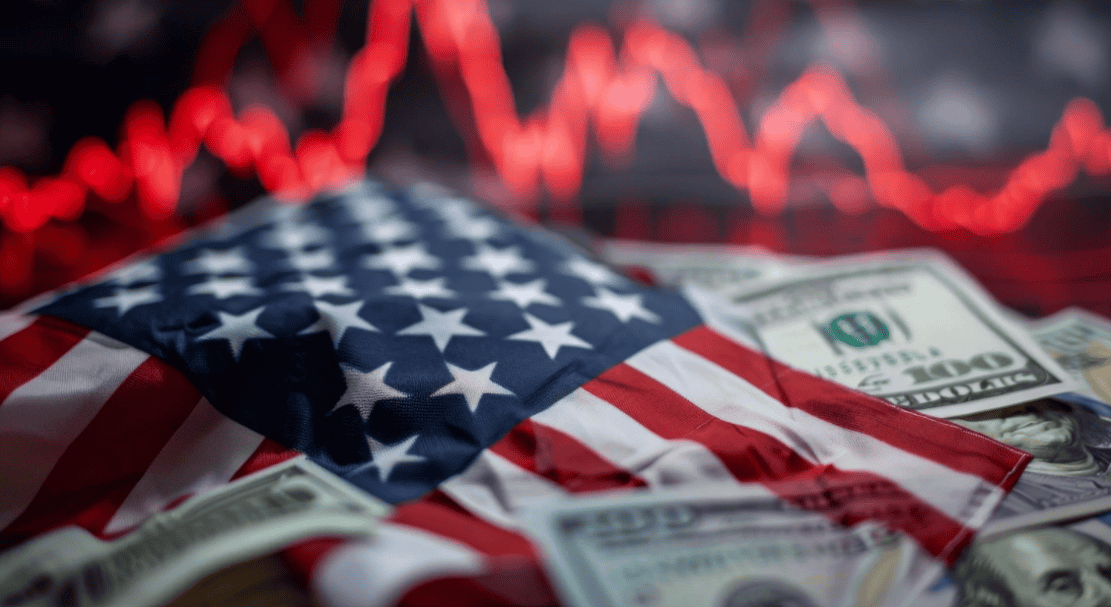
The U.S. dollar slipped to its softest level in months after the Treasury announced it would at least double its liquidity‑support buybacks for longer‑dated debt, pulling yields lower and dimming the greenback’s appeal. While the dollar index hovers near 98.80, gold surged past $4,600 and crude oil clung to the high‑$80s, reflecting lingering safe‑haven demand and geopolitical risk. This week’s calendar is back‑loaded with high‑impact data: July’s PCE price index (the Fed’s favored inflation gauge) on Wednesday, new Fed Chair Kevin Warsh’s first Jackson Hole keynote on Friday, and a preliminary benchmark revision to non‑farm payrolls that could shake up the labor market narrative. Currency pairs are reacting in lockstep – EUR/USD capped below 1.1700, GBP/USD drifting in the mid‑1.3600s, and AUD/USD riding near a multi‑month peak – while markets are watching for any dovish tilt from Warsh or a heavy jobs revision that could deepen the dollar’s slide.
Why This Is Happening
The dollar’s weakness stems from a technical push rather than softer fundamentals. The Treasury’s decision to ramp up buybacks of 10‑year to 30‑year debt injects demand for Treasuries, lowering yields and making the greenback less attractive. Simultaneously, gold and oil are benefitting from a safe‑haven rally as Middle‑East tensions simmer, reinforcing a “risk‑off” mood that favors precious metals and commodities over cash. The upcoming Fed signals – especially from the new chair – are the next catalyst; a dovish tone or a surprise downward jobs revision could amplify dollar weakness, while hawkish comments might stabilize it.
Key Economic Impact
- Inflation: PCE data will be the focal point for Fed rate‑policy expectations
- Interest rates: Treasury buybacks are already pressuring yields lower; market pricing will hinge on Fed messaging
- Employment: BLS benchmark revision could reshape the unemployment picture and wage‑growth narratives
- Consumer spending: Stronger gold and oil prices may keep household energy costs elevated
- Business activity: A softer dollar could boost export competitiveness but also raise import costs
- Financial markets: Equity valuations are sensitive to Fed sentiment, especially after Nvidia earnings glide‑path
Impact on People
- Household budgets: Higher energy and gold prices may keep inflation pressures alive
- Jobs: A major jobs benchmark revision could affect confidence in labor‑market strength and wage negotiations
- Wages: If the jobs picture weakens, wage‑growth momentum may stall
- Housing: Lower Treasury yields could keep mortgage rates modestly low despite overall inflation concerns
- Borrowing costs: Consumer credit and auto loans may stay relatively cheap as Treasury yields dip
- Everyday expenses: Gasoline and precious‑metal‑linked goods (e.g., jewelry) could see modest price bumps
Key Economic Indicators
- CPI
- PCE (Personal Consumption Expenditures) Price Index
- GDP
- Unemployment (Nonfarm Payrolls)
- Wage growth
- Retail sales
- Consumer confidence
Future Outlook
Expect the dollar to stay under pressure until the Fed’s policy stance becomes clearer. A dovish overtone from Kevin Warsh at Jackson Hole, coupled with a hefty downward jobs revision, could push the dollar index below 98.50 and lift gold above $4,700. Conversely, a hawkish tilt or a neutral jobs number might cap the slide, allowing the dollar to recover toward the 99‑level. The week’s data will set the tone for the rest of the summer, shaping everything from Fed rate bets to household budgeting for energy and inflation.