
U.S. Imposes 50% Tariffs on $20 Billion of Canadian Imports; Canada Vows Dollar‑for‑Dollar Retaliation
National Sentiment
Mixed
What’s Happening at a Glance
- The United States slapped a 50% tariff on roughly $20 billion of Canadian goods, affecting products from hockey sticks to wine and cement.
- Prime Minister Mark Carney announced retaliatory tariffs on U.S. steel, dairy, electronics and more, set to begin September 8.
- The levies were imposed under Section 338 of the 1930 Tariff Act, a rarely used Depression‑era law that allows up to 50% duties without an investigation.
- No further trade talks are scheduled, and both sides are bracing for a prolonged economic standoff.
Summary
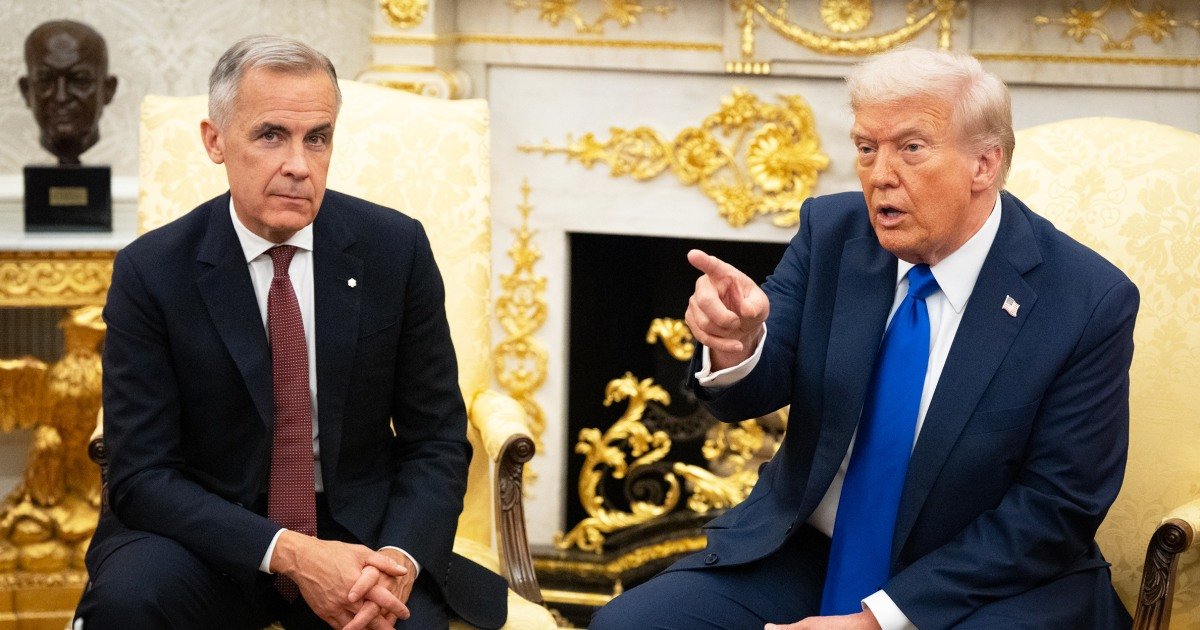
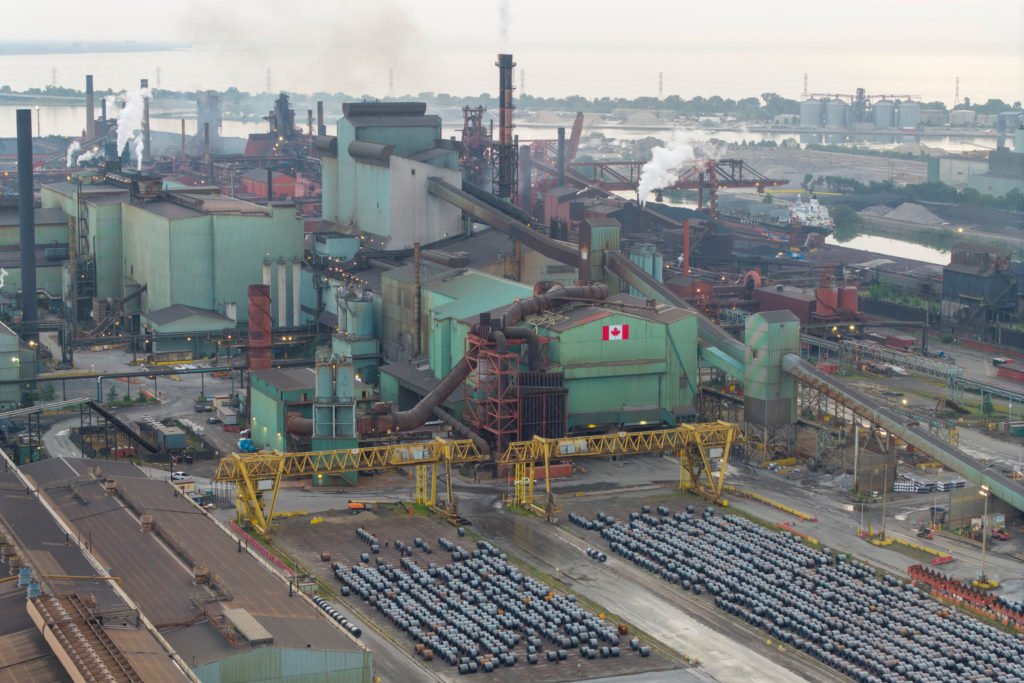
After trade negotiations collapsed, the United States on Saturday imposed a 50% tariff on about $20 billion worth of Canadian imports, covering items ranging from hockey sticks and wine to cement and agricultural products. The move, which affects roughly 5% of Canada’s exports to the U.S., was carried out using Section 338 of the Tariff Act of 1930, a long‑dormant law that permits the president to levy up to 50% duties without a formal investigation.
Prime Minister Mark Carney quickly responded by pledging “dollar for dollar” retaliatory tariffs starting September 8, targeting U.S. steel, dairy, appliances, agricultural equipment, pulp and paper, and electronics. Carney said Canada would consider dropping some existing tariffs if the U.S. substantially reduced its own, but added that Washington’s final demands were unacceptable and included threats to French language and Quebec culture.
The new levies come on top of earlier U.S. tariffs, including a 10% rate imposed last month over forced‑labor concerns and sector‑specific duties. Economists warn that the higher costs will cascade through supply chains, raising prices for consumers and creating uncertainty for workers in affected industries. The trade escalation has drawn criticism from U.S. lawmakers and business groups, while public opinion in Canada shows majority support for a firm stance.
With no further talks scheduled, the outlook remains uncertain. Legal challenges are possible given the lack of precedent for Section 338, and the political fallout could influence the upcoming midterm elections in the United States.
Why It Matters
The tariffs represent a sharp escalation in the U.S.–Canada trade relationship, which had been relatively stable under the USMCA. Using a Depression‑era statute sets a precedent for executive tariff power, bypassing normal trade‑remedy processes. The move threatens to raise inflation, disrupt integrated supply chains, and strain a key geopolitical alliance. It also underscores the fragility of trade agreements and the willingness of the administration to employ unilateral tools, with potential ripple effects across North America.
National Impact
- Government impact: The U.S. executive branch invokes a rarely used law; Canada’s government retaliates, risking a prolonged dispute.
- Citizen impact: Higher prices on imported goods, reduced product choice, and possible job losses in export‑oriented sectors.
- Business impact: Increased costs for importers, manufacturers, and retailers; heightened uncertainty for investment and hiring.
- Community impact: Border communities and regions dependent on cross‑border trade may face economic slowdowns.
- Institutional impact: U.S. Trade Representative, Canadian finance ministries, customs agencies, and courts could see increased workloads and legal challenges.
Impact on People
- Households: Higher prices for food, clothing, furniture, and recreational items.
- Communities: Reduced revenue for local businesses, especially in border areas.
- Public services: Potential strain on social safety nets if unemployment rises.
- Education: Not directly affected, but families may face financial stress.
- Healthcare: Indirect cost pressures if medical supplies become more expensive.
- Public safety: No direct impact, but economic stress could affect community stability.
Key Organizations & Institutions
- U.S. President Donald Trump
- U.S. Trade Representative Jamieson Greer
- Canadian Prime Minister Mark Carney
- Ontario Premier Doug Ford
- U.S. Supreme Court (previous tariff ruling)
- Law firm Dorsey & Whitney
- Business Roundtable
- Federal Reserve Bank of St. Louis
- Canadian Ministry of Finance
- U.S. Customs and Border Protection / Canada Border Services Agency
Future Outlook
The administration may impose additional retaliatory measures, and Canada could further diversify its trade partnerships. Legal challenges to the use of Section 338 are likely, and the outcome could reshape executive tariff authority. Negotiations may resume after the U.S. midterm elections, but the current trajectory suggests a prolonged trade war with ongoing economic and political consequences.