
Supreme Court Halts Efforts to Stop Trump\'s White House Ballroom Construction
National Sentiment
Divided
What’s Happening at a Glance
- Supreme Court issues temporary stay allowing continued construction of White House ballroom project
- Lower courts had ordered halt to above-ground portions while litigation proceeds
- National Trust for Historic Preservation challenges project over presidential authority and historic preservation concerns
- Project is $400 million, privately funded, 65% complete as of mid-August
- Court\'s action is provisional, giving justices more time to consider full appeal
Summary
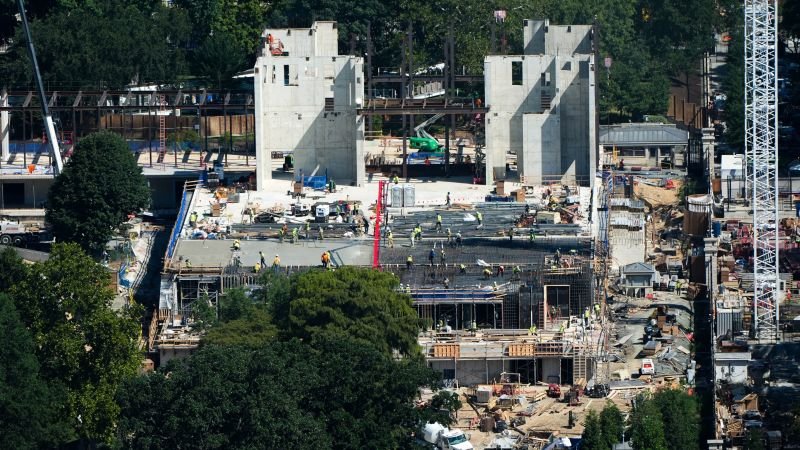
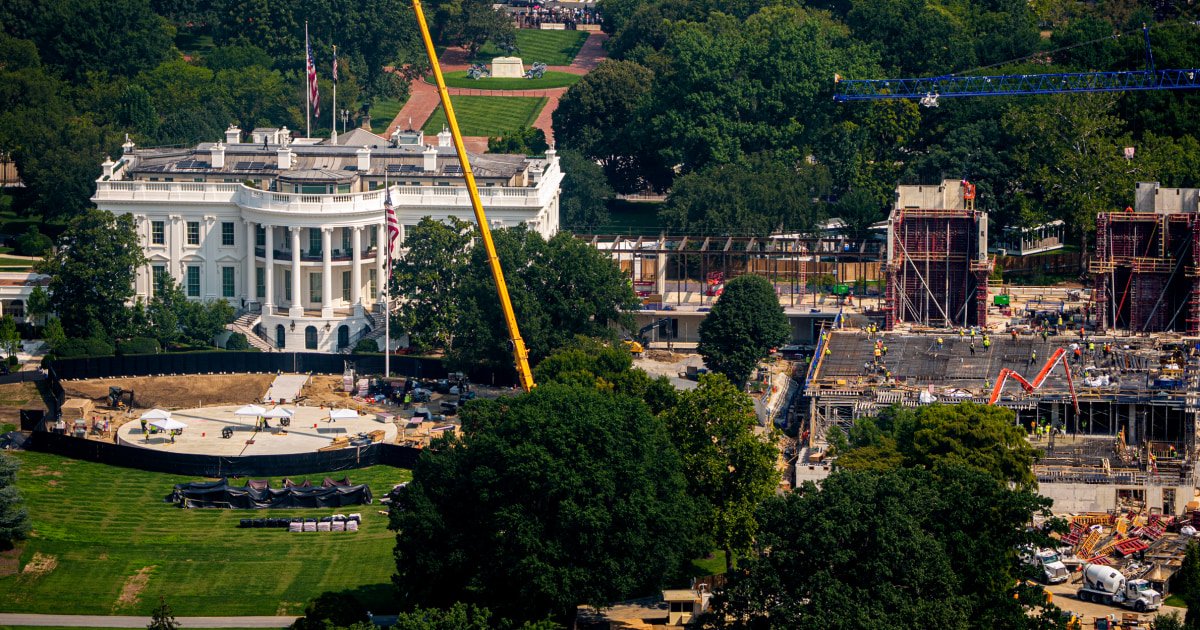
The Supreme Court on Friday temporarily blocked lower court rulings that would have halted construction of President Trump\'s proposed White House ballroom, allowing work to continue for now while justices consider the case further. Chief Justice John Roberts issued the stay, reversing decisions by a federal judge and the D.C. Circuit that had permitted underground work but stopped above-ground construction during ongoing litigation. The legal challenge was brought by the National Trust for Historic Preservation, which argues Trump lacked authority to demolish the East Wing and build the ballroom. A key disputed issue is whether the trust has legal standing to sue based on aesthetic objections from one of its members. The administration maintains the $400 million, privately funded project is essential for national security, with construction reportedly 65% complete as of August 14th and employing roughly 250 workers on 20-hour shifts. Trump celebrated the court\'s decision, calling the project vital for national security and claiming it is under budget and ahead of schedule. The National Trust emphasized the Supreme Court decision is not final and that they await further action.
Why It Matters
This dispute sits at the intersection of executive authority, historic preservation law, and constitutional separation of powers. The case raises fundamental questions about presidential control over White House property and whether elected officials can override established preservation protections. Legally, it tests the boundaries of standing doctrine and the extent to which nonprofit organizations can challenge government actions based on aesthetic harm to members. Historically, White House modifications have sparked controversy, but few have reached the Supreme Court level. The outcome could set precedent for how future presidents handle historic properties and what constitutes appropriate judicial review of executive branch construction decisions. Beyond the immediate legal questions, the case reflects broader national tensions between preservation and progress, public versus private interests in government spaces, and the balance between security needs and cultural heritage protection. A ruling allowing unfettered construction could signal expanded presidential authority over federal landmarks, while a decision favoring preservation advocates might strengthen legal protections for historic sites nationwide.
National Impact
- Government: Tests limits of presidential authority over federal property and historic preservation laws
- Citizen: Raises questions about transparency and public input in high-profile government construction projects
- Business: Demonstrates how private funding of government projects can bypass normal oversight mechanisms
- Community: Highlights tensions between national symbolism and practical security requirements in Washington D.C.
- Institutional: Challenges judicial balance between protecting historic treasures and respecting executive branch discretion
Impact on People
- Households: May influence expectations for how public and private funds mix in government projects affecting taxpayer interests
- Communities: Could establish precedent for community input in proposed alterations to nationally significant landmarks
- Public services: Might affect how federal agencies approach security infrastructure upgrades at historic sites
- Education: Demonstrates civic engagement through legal challenges over national monuments and presidential authority
- Healthcare: Raises questions about appropriate placement and funding of medical facilities within government complexes
- Public safety: Tests whether security concerns can override historic preservation when upgrading sensitive government facilities
Key Organizations & Institutions
- Supreme Court of the United States
- National Trust for Historic Preservation
- White House Military Office
- U.S. Court of Appeals for the D.C. Circuit
- Federal judicial system
- President Donald J. Trump
- Chief Justice John G. Roberts Jr.
Future Outlook
The Supreme Court is expected to decide whether to hear the full appeal in coming weeks or months. The provisional stay currently allows construction to proceed, but a final ruling could still halt the project if the Court decides to examine the merits. Oral arguments, if granted, would likely occur in the fall with a decision possible by next June. Meanwhile, construction continues at the reportedly accelerated pace described by the administration. Legal experts note that regardless of the ultimate outcome, the case has already established important precedent regarding the scope of standing doctrine and justiciability of certain executive branch actions involving federal property. If the Court ultimately rules against the administration, removing the completed portions could prove difficult and costly, making compromise or legislative solution more likely.