
Gold Glitters Again as Fed Minutes Play Hard to Get While Oil Prices Throw a Tantrum
Economic Sentiment
Mixed
What’s Happening at a Glance
- Gold steadied near $4,500/oz after earlier gains, buoyed by hopes of lower long‑term real rates.
- Hawkish Fed minutes and rising oil prices revived inflation worries, pressuring the metal.
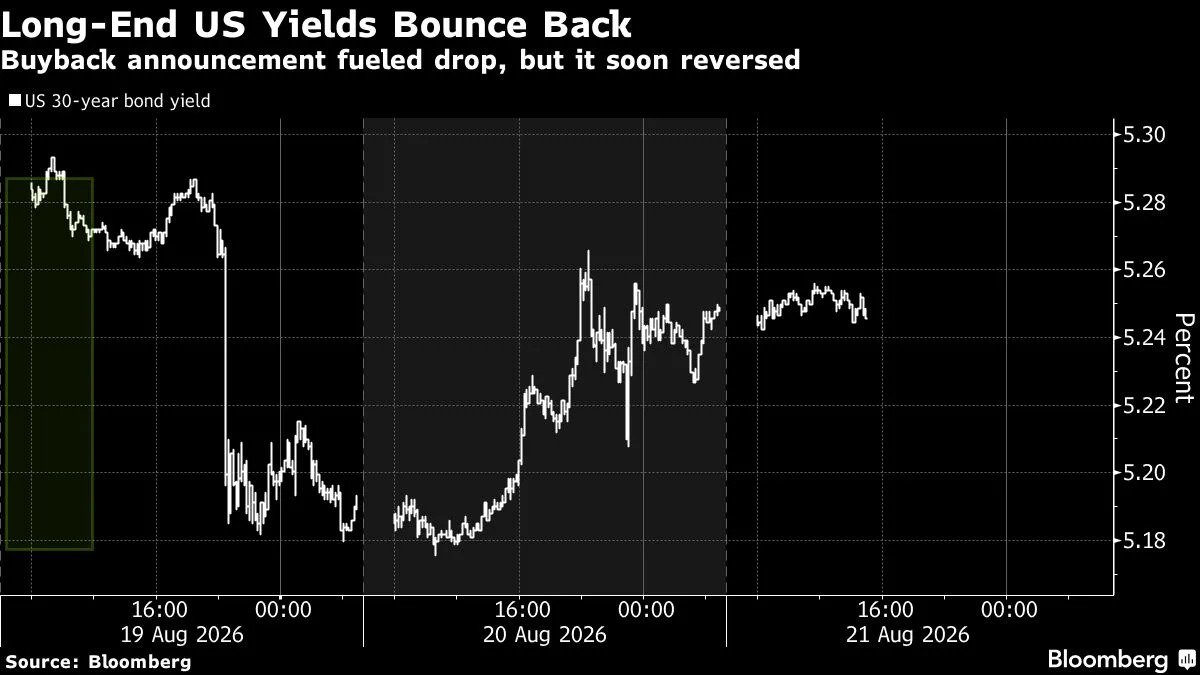
- Treasury’s plan to boost long‑dated bond buybacks could cut real yields, supporting gold.
- Traders see a two‑thirds chance the Fed holds rates steady in September.
- Silver rose while platinum and palladium moved little, showing mixed precious‑metal sentiment.
Summary
Gold prices edged higher on Thursday after a sharp rally the previous day, finding support from expectations that increased Treasury bond buybacks will press down long‑term real interest rates. The metal had slipped earlier in the session as investors took profits following Wednesday’s 4% jump, which was driven by a weaker dollar and falling bond yields after the Treasury announced larger buybacks. However, the somewhat hawkish minutes from the Fed’s July meeting, coupled with a rally in oil prices sparked by Middle‑East supply concerns, reminded markets that inflation risks remain alive. Analysts note that while gold traditionally hedges against inflation, higher rates increase its opportunity cost, keeping the outlook volatile. Despite the tug‑of‑war, some forecasters still see gold breaking the $5,000/oz barrier by 2027 if real rates stay low.
Why This Is Happening
The price movement reflects two opposing forces. First, the Treasury’s intention to increase repurchases of longer‑dated bonds could reduce the supply of those securities, pushing up their prices and lowering long‑term real yields – an environment that makes non‑yielding gold more attractive. Second, the Fed’s July minutes revealed lingering inflation worries among policymakers, with several officials open to further rate hikes, which would raise the opportunity cost of holding gold. Simultaneously, oil prices have climbed to multi‑week highs due to stalled Iran talks, feeding inflation fears and supporting demand for gold as an inflation hedge. The net result is a market where gold finds brief relief from lower real‑rate expectations but is repeatedly checked by fresh inflation and hawkish Fed signals.
Key Economic Impact
- Inflation: Concerns persist as oil prices rise and Fed minutes show hawkish leanings.
- Interest rates: Expectations of a September hold dominate, but long‑term real rates may fall if Treasury buybacks expand.
- Employment: No direct impact; labor market remains tight elsewhere.
- Consumer spending: Higher oil prices could squeeze disposable income, indirectly affecting spending.
- Business activity: Inflation uncertainty may delay capex decisions; lower long‑term rates could encourage borrowing.
- Financial markets: Gold’s modest gains reflect safe‑haven demand; equity and bond markets remain sensitive to Fed outlook.
Impact on People
- Household budgets: Rising oil costs raise gasoline and heating expenses, squeezing budgets.
- Jobs: Little direct effect; labor market conditions unchanged by gold moves.
- Wages: No immediate wage impact from precious‑metal price shifts.
- Housing: Mortgage rates tied to long‑term yields could ease slightly if Treasury buybacks lower real rates.
- Borrowing costs: Potential decline in long‑term rates may reduce borrowing expenses for mortgages and corporate debt.
- Everyday expenses: Higher fuel prices translate into increased costs for transportation and goods transport.
Key Economic Indicators
- CPI: Watch for upward pressure from energy components.
- PCE: Fed’s preferred gauge; may show stickiness if services inflation persists.
- GDP: Growth outlook unchanged; inflation dynamics remain a key variable.
- Unemployment: Expected to stay low; not directly tied to gold moves.
- Wage growth: Stable; any inflation pass‑through could affect future negotiations.
- Retail sales: Could soften if higher energy costs cut disposable income.
- Consumer confidence: May waver as inflation fears linger despite Fed hold expectations.
Future Outlook
If Treasury bond buybacks proceed as hinted, long‑term real rates could stay subdued, giving gold a modest upside bias. However, any signs of renewed inflation – especially from energy markets – or a shift toward Fed tightening would quickly reverse that support. Analysts project potential for gold to test $5,000/oz by 2027, but the path will likely be choppy, reflecting the tug‑of‑war between inflation anxieties and expectations of easier real‑rate conditions.