
Fed’s Rate Roller Coaster: Will Inflation Finally Take a Nap or Keep the Bankers on Their Toes?
Economic Sentiment
Mixed
What’s Happening at a Glance
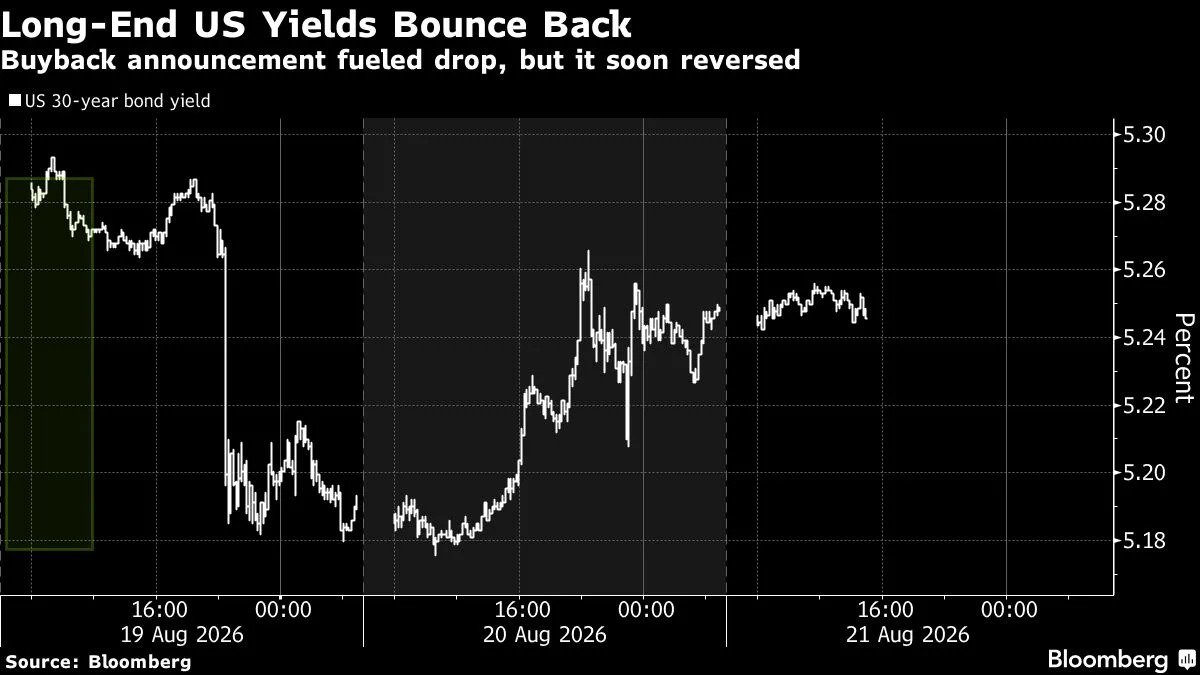
- Treasury doubles debt buybacks to calm a bond market that’s seen 20‑year highs in yields.
- Fed minutes reveal a split: most keep rates steady, but a handful warn of a hike if inflation stays above 2%.
- Oil prices stay stubbornly high, feeding a July CPI of 3.4% – still above the 2025 target.
- Geopolitical jitters (Iran ceasefire lapses, Trump‑Japan yen push) add extra volatility to markets.
Summary
The U.S. Treasury has stepped in to shore up the bond market, doubling its buyback program after 10‑, 20‑, and 30‑year yields surged to 20‑year highs, with the 30‑year hitting its strongest level since 2007. The move was meant to inject liquidity and calm borrowing costs, but it also signals that the Treasury is wary of a tightening cycle that could push rates higher.
Meanwhile, the Federal Reserve’s July board minutes show a clear divide. While a majority of voting members agreed to hold rates at the current 3.5‑3.75% range, three members flagged that policy tightening may be necessary if inflation does not fall toward the 2% target. This split reflects the Fed’s struggle to balance a still‑persistent inflation rate of 3.4% in July – down from a 4.2% peak in May but still above the 2025 goal – against a backdrop of rising oil prices and geopolitical uncertainty.
The market has responded with a modest uptick in stocks, buoyed by record highs in the S&P 500 and a surge in AI‑related investment. Yet the volatility remains, as investors weigh the potential for higher borrowing costs against the backdrop of a global conflict that keeps oil prices elevated and inflationary pressures alive.
Why This Is Happening
The Treasury’s aggressive buyback program is a defensive move to keep long‑term yields from spiraling, which would otherwise raise mortgage and loan costs for consumers and businesses. By flooding the market with Treasury bonds, the Treasury aims to keep yields in check and provide a stable funding base for the federal government.
On the policy side, the Fed’s internal debate stems from the fact that inflation, while easing, remains above the 2% target. Some officials fear that the current monetary stance is not restrictive enough to bring inflation down, especially given the persistent oil price pressure and the potential for supply‑side shocks from the ongoing U.S.–Iran standoff. Others, however, are cautious about raising rates too quickly, citing concerns about slowing growth and the political pressure to keep rates lower.
Geopolitical events – particularly the expiration of the U.S.–Iran ceasefire and the Trump administration’s intervention to support the yen – add another layer of uncertainty. These actions can influence global commodity prices and investor sentiment, which in turn affect domestic inflation and the bond market.
Key Economic Impact
- Inflation: Still above target; oil price spikes keep headline CPI elevated.
- Interest rates: Current range 3.5‑3.75%; potential hikes if inflation persists.
- Employment: Labor market remains tight; wage growth modest but steady.
- Consumer spending: Higher borrowing costs could dampen discretionary spending.
- Business activity: Elevated financing costs may slow investment in capital projects.
- Financial markets: Bond yields at 20‑year highs; equity markets remain volatile but resilient.
Impact on People
- Household budgets: Rising mortgage and loan rates increase monthly payments.
- Jobs: Tight labor market keeps hiring robust, but higher costs could slow hiring in some sectors.
- Wages: Wage growth remains solid but may face headwinds if rates rise sharply.
- Housing: Mortgage rates climb, potentially cooling the housing market.
- Borrowing costs: Credit cards, auto loans, and other consumer debt become more expensive.
- Everyday expenses: Gas prices near $4.08 per gallon add to transportation costs.
Key Economic Indicators
- CPI (Consumer Price Index)
- PCE (Personal Consumption Expenditures)
- GDP (Gross Domestic Product)
- Unemployment rate
- Wage growth
- Retail sales
- Consumer confidence
Future Outlook
If inflation continues to hover above the Fed’s 2% target, the central bank is likely to lean toward a rate hike, which could temper borrowing costs and slow the economy slightly. Bond yields may stay elevated as the Treasury’s buyback program keeps the market liquid but also signals a willingness to intervene. Inflation could moderate as oil prices ease, but geopolitical risks and supply‑chain disruptions remain potential drag‑ons. Markets will likely stay volatile, with equities buoyed by AI and tech but sensitive to any tightening signals.