
Bond Yields Hit 2007 Levels, Because Who Needs Cheap Money Anyway?
Market Sentiment
Uncertain
What’s Happening at a Glance
- 30‑year US Treasury yield tops 5.3%, highest since 2007
- 10‑year yields up in France, Germany, Japan, and the US, near Trump‑era highs
- Rising yields push borrowing costs for mortgages, auto loans, and business debt
- Corporate AI‑driven bond issuance is crowding out government debt
Market Summary
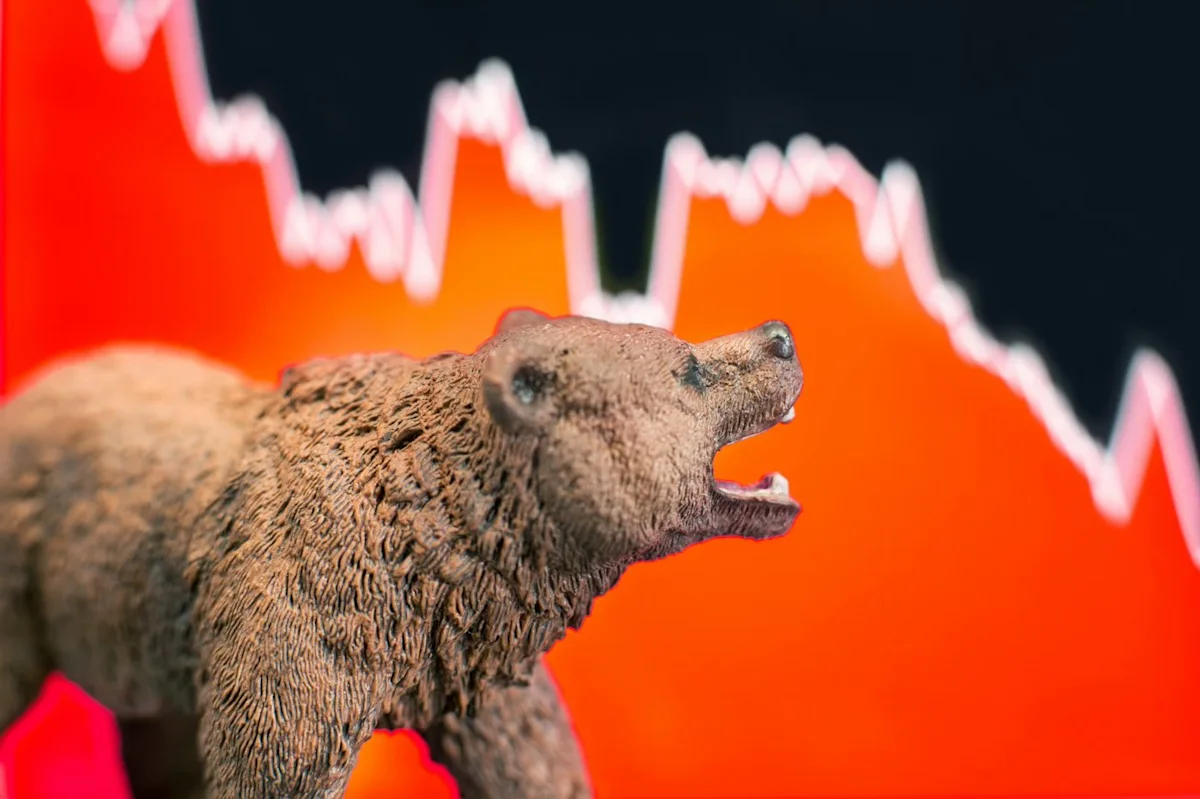
Global bond markets are in a sell‑off, sending yields to multi‑decade highs. The 30‑year US Treasury hit 5.34%, while the 10‑year climbed to 4.74%, the steepest rise since the early 2000s. Europe and Japan mirrored the trend, with 10‑year yields hitting 2008‑level highs in France and Germany and a 30‑year peak in Japan. Investors are dumping bonds to chase higher returns, driving prices down and yields up.
The surge reflects a cocktail of worries: unchecked fiscal deficits, a volatile Middle East, soaring oil prices, and a wave of corporate debt issuance – especially from AI‑focused tech firms – competing for the same pool of buyers. Fed leadership uncertainty, with a new chairman who offers little forward guidance, adds to the fog. Higher yields mean higher borrowing costs for governments and consumers alike, tightening the squeeze on mortgages, auto loans, and business financing. The stock market has felt the pressure, with the S&P 500 down 0.7% and the Nasdaq falling 1.3% on the day.
Why This Is Happening
– Fiscal pressure: U.S. debt is near $40 trillion, and deficits are rising, prompting investors to demand higher risk premiums.
– Inflation and energy: Brent crude at $91 a barrel and Middle East tensions feed inflation fears, pushing investors to seek higher yields to offset potential erosion of real returns.
– Corporate bond competition: AI‑driven tech firms are issuing long‑dated debt, crowding out government bonds and reducing demand.
– Fed uncertainty: A new chairman with limited communication leaves markets guessing whether rates will stay high or rise further, amplifying volatility.
– Global spill‑over: Rising yields in the U.S. influence global borrowing costs, affecting European and Asian governments and investors.
Key Market Impact
- Sectors: Financials (interest‑rate sensitive), Real Estate, Utilities, and Consumer Discretionary may see pressure.
- Indices: S&P 500, Nasdaq Composite, and major bond indices are under strain.
- Interest rates / bonds: Treasury yields up, bond prices down, spreads widening.
- Consumer economy: Higher mortgage and loan rates dampen spending.
- Global ripple effects: Emerging markets face higher debt servicing costs; commodity prices (oil) remain volatile.
Impact on Americans
- 401(k)/retirement: Rising yields compress bond‑based retirement portfolios and may push investors toward equities for yield.
- Consumer prices: Higher borrowing costs can slow inflation but also reduce disposable income.
- Employment: Costlier capital may slow hiring, especially in high‑growth sectors.
- Housing/mortgages: Mortgage rates climb, cooling the housing market and reducing home‑buying activity.
- Savings/investments: Fixed‑income savers face lower real returns; investors may shift to higher‑yield assets.
Affected Assets
- Stocks: Equity valuations pressured, especially interest‑rate sensitive sectors.
- ETFs: Bond ETFs see outflows; equity ETFs may see inflows as investors chase yield.
- Bonds: Treasury prices fall; corporate bond spreads widen.
- Crypto: Volatility may increase as risk‑off sentiment rises.
- Commodities: Oil prices remain a key driver of inflation expectations.
- Currencies: USD may strengthen against weaker currencies amid higher yields.