
America's Got Talent: Democracy Edition – Where Election Deniers Get Hired While Ghost Guns Get Blessed
What’s Happening at a Glance
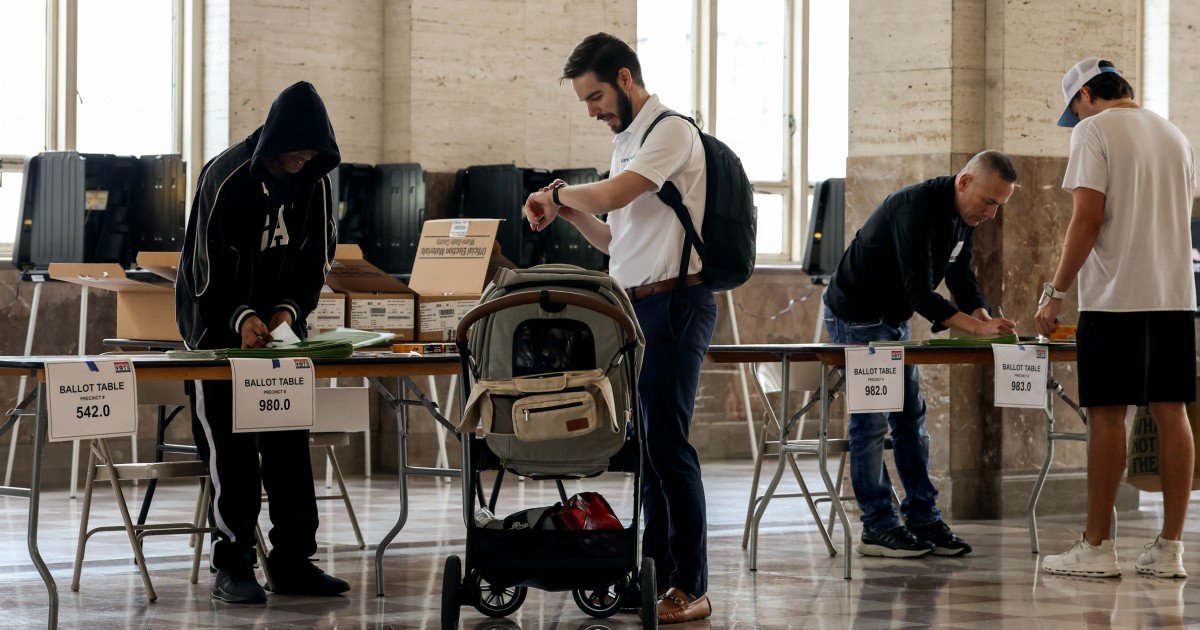
- Primary elections heating up in Florida, Alaska, and Wyoming as voters head to the polls
- Federal investigation launched into Alaska Senate candidate Dan Sullivan over potential vote-siphoning plot against fellow Dan Sullivan
- Texas judge strikes down Biden's ghost gun regulations, ruling they infringe on constitutional right to self-manufacture firearms
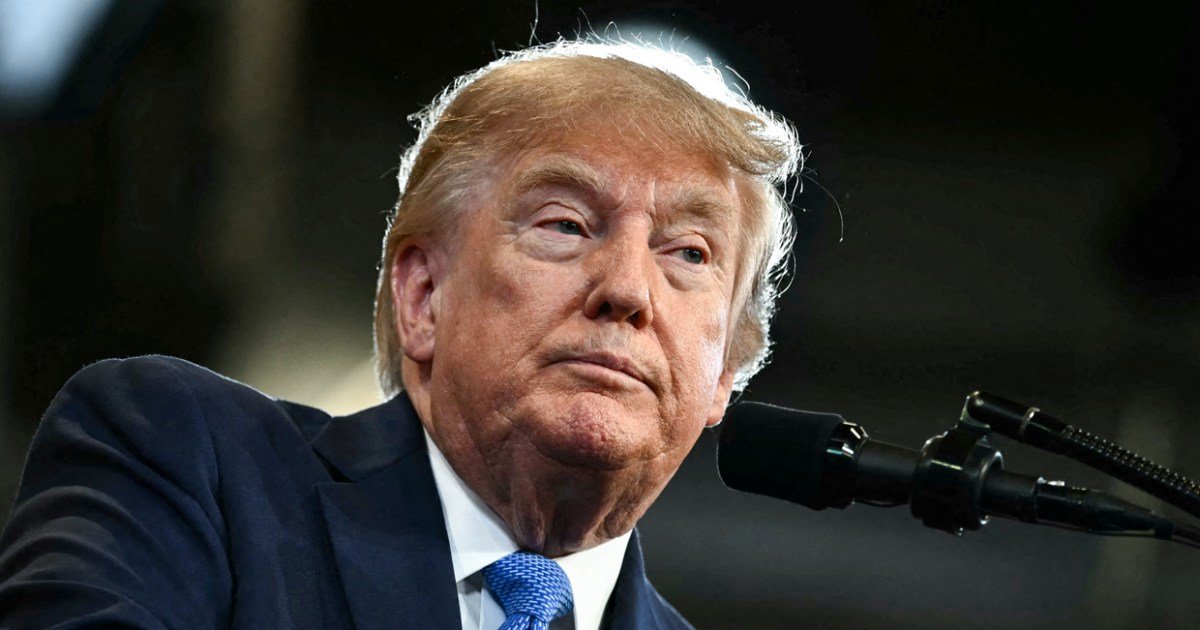
- Trump falsely claims Census data proves massive non-citizen voter fraud, cites 0.018% of total votes
- FCC proposes eliminating E-Rate program that provides internet funding to schools and libraries
- Senator Jon Ossoff escalates feud with Trump, calls him "draft-dodging, crook president"
- Medusa ransomware gang targets public hospitals and schools, raising national security concerns
- ICC president sanctioned by US over investigation into Israeli officials in Gaza conflict
- Transgender woman sentenced to 6 years for attempted firebomb attack on Treasury Secretary
- Tina Peters, convicted election denier, hired as assistant registrar in California despite felony convictions
Summary
Primary election season is in full swing with voters heading to the polls in key battleground states including Florida, Alaska, and Wyoming. The races have drawn national attention, particularly in Alaska where a federal investigation is underway examining whether candidate Dan Sullivan entered the Senate race to draw votes away from incumbent Dan Sullivan – creating an unusual situation where two candidates share the same name.
Beyond the electoral drama, several legal and policy battles are heating up. A Texas federal judge appointed by George W. Bush ruled that Biden-era ghost gun regulations are unconstitutional, striking down requirements for serial numbers and background checks on home-assembled firearms. Meanwhile, Donald Trump continued his false claims about the 2020 election, citing what analysis shows represents an inconsequential 0.018% of votes cast as evidence of widespread fraud.
In other developments, the FCC proposed eliminating the E-Rate program that provides internet connectivity funding to schools and libraries, arguing that universal broadband access makes the program obsolete. Senator Jon Ossoff escalated his public feud with Trump, calling him a "draft-dodging, crook president" during campaign appearances. Federal agencies are also sounding alarms about the Medusa ransomware gang targeting public hospitals and schools, while international tensions rose as the US sanctioned the ICC president over investigations into Israeli officials. Additionally, a transgender woman was sentenced to over six years for attempting to attack Treasury Secretary Scott Bessent with homemade firebombs, and a convicted election denier was controversially hired to work in California elections despite previous felony convictions.
Why This Is Happening
Primary elections are currently taking place across multiple states as parties select their candidates for upcoming general elections, with Florida and Alaska hosting particularly competitive races that have drawn national attention. The involvement of federal prosecutors in the Alaska Senate race reflects ongoing concerns about electoral integrity and the potential for strategic candidacies designed to confuse voters or siphon support from opponents.
The ghost gun ruling follows a broader conservative legal strategy challenging firearms regulations, with Judge Reed O'Connor – known for issuing decisions favorable to conservative causes – finding that self-manufacturing rights predate modern gun control laws. This fits into a larger pattern of courts reviewing Biden-era regulations, especially after the Supreme Court's mixed signals on administrative authority.
Trump's continued voter fraud claims represent an evolution of his post-election strategy, leveraging unverified Census data interpretations to support his baseless assertions about the 2020 outcome. His calls for the "SAVE AMERICA ACT" align with his broader effort to maintain influence over Republican voters despite losing the election.
The FCC's E-Rate proposal stems from conservativearguments that government programs should sunset once their stated goals are achieved, reflecting a broader philosophy of reducing federal involvement in education. Commissioner Brendan Carr's defense of investigations into Disney reflects ongoing conservative grievances about perceived liberal bias in corporate media and entertainment.
International developments like the ICC sanctions demonstrate the growing friction between US foreign policy and international legal institutions, particularly regarding Middle East conflicts. Domestic security concerns around ransomware attacks highlight how cyber threats have evolved from IT issues to matters of national security requiring coordinated federal responses.
Impact on Americans
- Voters in Florida, Alaska, and Wyoming will see the immediate results of ongoing primary elections that determine November ballot matchups
- Gun owners and firearms enthusiasts may benefit from relaxed regulations on ghost guns, though public safety advocates express concern about traceability
- Parents and students could lose critical internet infrastructure support if E-Rate funding is eliminated, potentially widening digital divides between wealthy and poor school districts
- Healthcare patients face increased risks from ransomware attacks that can shut down hospital systems and delay critical medical care
- Taxpayers continue funding expanded White House security details and Secret Service protections as political tensions escalate
- Social media users encounter increasingly heated political rhetoric that influences public discourse and voter perceptions
- Local election officials must navigate tensions between maintaining election integrity and avoiding partisan politicization of voting processes
- Consumers may see changes to entertainment programming or corporate policies as federal agencies investigate major media companies