

AI Boom Turns the S&P 500 Into a Profit‑Generating Machine – While Your Bank Account Still Feels Empty
Market Sentiment
Volatile
What’s Happening at a Glance
- AI‑driven earnings surge pushes S&P 500 earnings per share up 50% this quarter, the fastest since 2021.
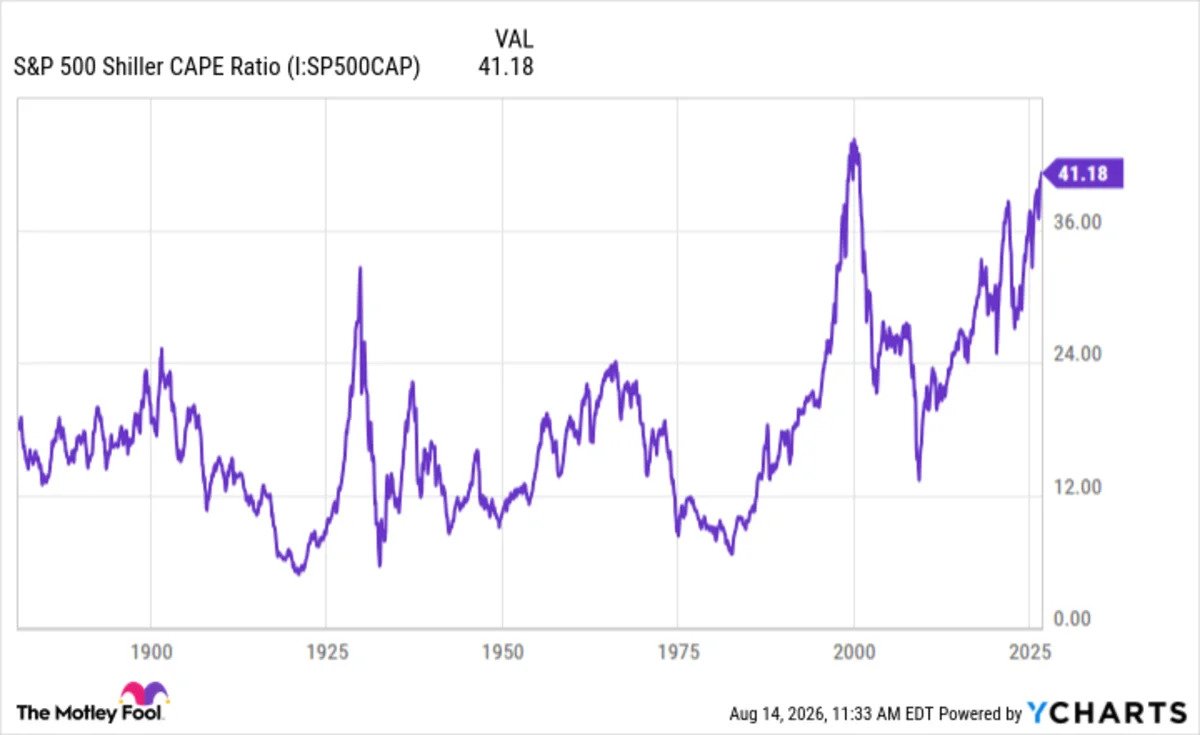
- CAPE ratio near historic highs, but forward P/E sits at a “fair” 20, suggesting valuations may be justified.
- Critics warn of “circular financing” in AI, but data‑center build‑out and chip profits back the rally.
- 1994 dot‑com analogies hint at more upside, yet the market remains sensitive to interest‑rate moves.
Market Summary
The S&P 500 is riding a wave of unprecedented earnings growth, with a 50.4% jump in earnings per share this quarter – its fastest pace since the pandemic rebound. Analysts point to the AI infrastructure boom as the engine behind this surge: chip makers like Micron have seen net income skyrocket, and non‑cash equity gains from AI‑related valuations (e.g., Anthropic) are inflating earnings for giants such as Amazon and Alphabet. Despite the lofty CAPE ratio, the index’s forward P/E of 20 is being defended as a fair price for the projected growth.
However, not everyone is convinced. Some market bears argue that the AI sector’s “circular financing” – where chip makers invest in AI labs that then outsource compute back to the chip makers – creates a fragile house of cards. Others point to the cyclical nature of semiconductors, warning that falling chip prices could trigger a sharp correction. The debate mirrors the 1994 dot‑com era, when infrastructure demand was rising but interest‑rate hikes kept stocks flat. Today’s rally, however, is already priced into the market, leaving investors to decide whether the earnings boom justifies the high valuations.
Why This Is Happening
The surge is driven by a confluence of factors: the rapid deployment of AI data‑center infrastructure, explosive earnings at memory‑chip makers, and the monetization of AI through non‑cash equity gains. Fed policy has kept rates relatively low, supporting high valuations, while the pandemic‑era shift to remote work and digital services has cemented AI’s role in productivity. Historical parallels to 1994 suggest that early infrastructure build‑out can precede a longer‑term earnings boom, but the current environment also carries risks from potential rate hikes and supply‑chain constraints.
Key Market Impact
- Sectors: Technology, semiconductors, cloud computing, AI startups
- Major indices: S&P 500, Nasdaq 100, Russell 2000
- Interest rates / bonds: Treasury yields remain low but could rise if inflation pressures persist
- Consumer economy: Increased corporate earnings may boost dividends, but high valuations could dampen consumer spending
- Global ripple effects: AI and chip demand drives global supply chains, affecting emerging markets and commodity prices
Impact on Americans
- 401(k)/retirement: Potential for higher portfolio growth if tech stocks continue to outperform
- Consumer prices: AI productivity gains could lower costs, but high tech prices may offset savings
- Employment: AI automation may displace some jobs while creating new tech roles
- Housing/mortgages: Rising rates could tighten mortgage markets, but higher incomes from tech jobs may offset
- Savings/investments: Investors may need to balance high‑growth tech exposure with diversification to manage volatility
Affected Assets
- Stocks: Nvidia, Micron, Amazon, Alphabet, Cisco, Intel
- ETFs: SPY, QQQ, XLK (technology), XSD (semiconductors)
- Bonds: U.S. Treasuries, corporate bonds in tech sector
- Crypto: AI‑related tokens, stablecoins used in data‑center financing
- Commodities: Silicon, rare earth metals, copper
- Currencies: USD strength tied to tech earnings, potential volatility in emerging market currencies