

Treasury’s Debt‑Buyback Band‑Aid: Hot Yields, Cool Inflation, and All the Fixes That Might Not Work
Economic Sentiment
Mixed
What’s Happening at a Glance
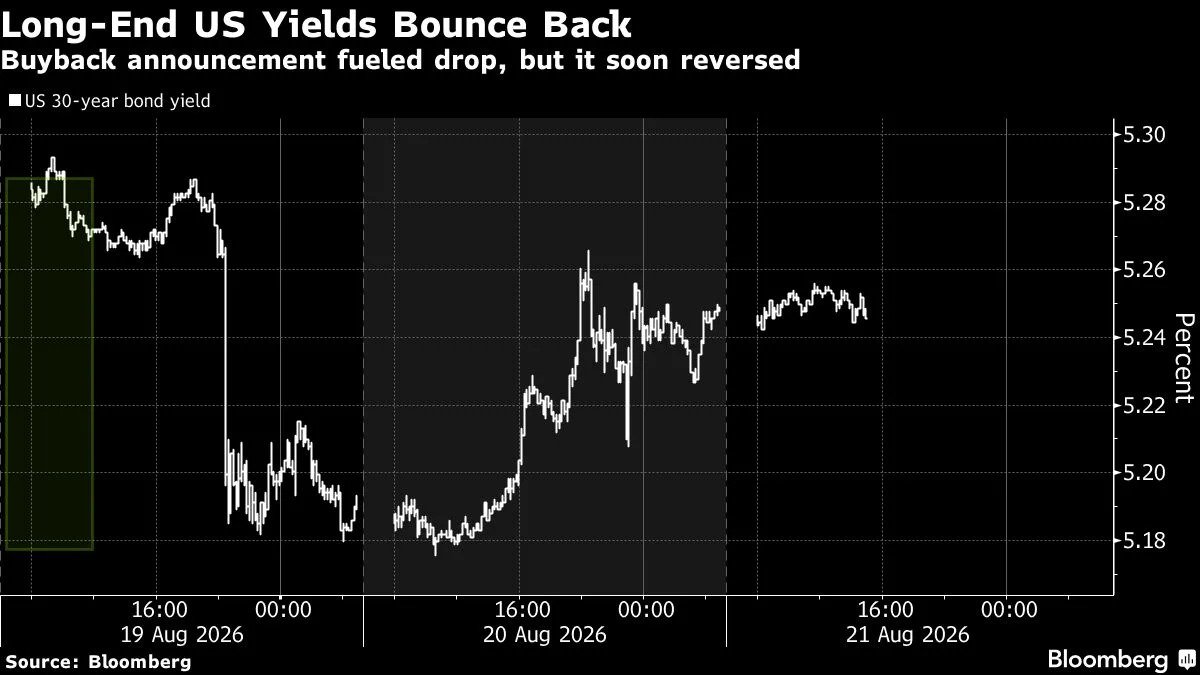
- Treasury announces larger, longer‑dated debt buybacks to tame soaring yields
- 30‑year Treasury yield spikes to 5.25%, the highest level since 2007
- July inflation data came in softer than expected, but retail sales and jobs missed forecasts
- Analysts warn the buyback boost is “relatively short‑lived” without deeper fiscal reform
Summary
The Treasury Department has doubled down on debt‑buyback plans, promising to expand purchases of longer‑dated securities in a bid to lower borrowing costs and curb the recent surge in 30‑year yields, which have climbed to 5.25%, their highest since 2007. Treasury Secretary Scott Bessent framed the move as a response to “the highest borrowing costs in years,” while Goldman Sachs notes that cooling inflation remains the most powerful lever for easing yields. Yet the market’s reaction has been skeptical: investors are still demanding higher compensation for lending to a government grappling with a mounting debt burden.
At the same time, recent economic data paint a mixed picture. July’s core inflation showed signs of easing, but overall price pressures remain sticky enough to keep the Federal Reserve cautious about cutting rates. Retail sales came in weaker than anticipated, and employment growth disappointed, fueling concerns that consumer spending may be losing steam. analysts like Friedrich Schaper argue that without a structural shift in fiscal policy, the current wave of buybacks will only provide a temporary balm.
The broader implication is that policymakers are increasingly reliant on monetary‑fiscal coordination to manage debt sustainability, but the effectiveness of such coordination is uncertain. If yields stay elevated, borrowing costs for households and businesses could rise, pressuring budgets and investment decisions. The Fed’s stance, the trajectory of inflation, and the pace of wage growth will all intertwine to determine whether the current slowdown in inflation can be sustained or whether the economy will slip into a more persistent higher‑rate environment.
Why This Is Happening
A combination of rising federal debt, stubborn inflation, and a reluctant Federal Reserve has pushed Treasury yields higher, prompting the Treasury to accelerate debt‑buyback efforts. Inflation data, while softer than earlier peaks, have not shown a decisive downward trend, keeping market expectations for higher rates alive. Labor market softness and weaker-than‑expected retail sales have added pressure for fiscal stimulus, but the administration’s response is limited to buybacks, which analysts view as a stop‑gap rather than a structural fix. Global bond market dynamics, including competition from corporate issuance, also amplify yield pressures, making it harder for the Treasury to finance debt at reasonable rates without intervention.
Key Economic Impact
- [Inflation]
- [Interest rates]
- [Employment]
- [Consumer spending]
- [Business activity]
- [Financial markets]
Impact on People
- [Household budgets]
- [Jobs]
- [Wages]
- [Housing]
- [Borrowing costs]
- [Everyday expenses]
Key Economic Indicators
- [CPI]
- [PCE]
- [GDP]
- [Unemployment]
- [Wage growth]
- [Retail sales]
- [Consumer confidence]
Future Outlook
If inflation continues to ease and the Fed holds rates steady, Treasury yields may gradually recede, but any resurgence in price pressures or fiscal strain could reignite yield spikes and keep borrowing costs elevated, shaping a cautious outlook for consumers and investors alike.