

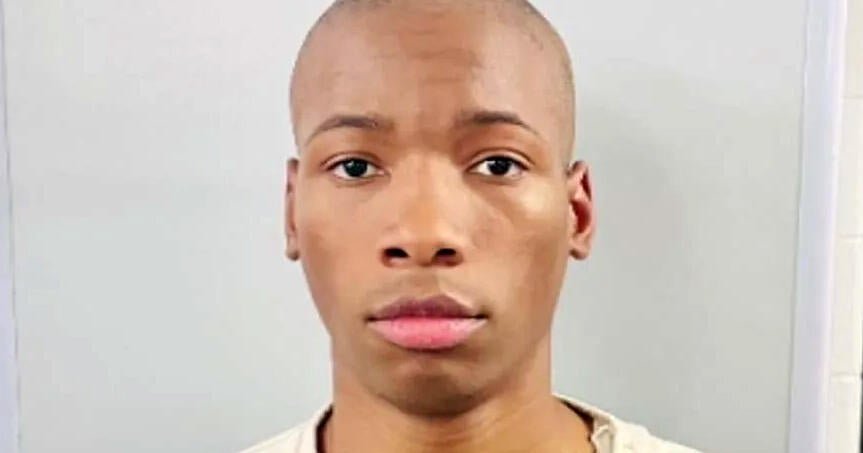
Judge Denies New Trial for Anthony in High School Stabbing Death; Defense to Appeal
National Sentiment
Mixed / Concerned
What’s Happening at a Glance
- Judge Michael Chitty denied Karmelo Anthony’s motion for a new trial in the 2025 murder of Austin Metcalf.
- Defense claims a “gentleman’s agreement” between attorneys restricted Anthony’s ability to testify, citing constitutional concerns.
- Prosecution insists the trial was fair despite the agreement, which hidden character evidence.
- Case draws national scrutiny due to racial undertones in the Black defendant-victim dynamic.
- Anthony’s legal team will proceed with an appeal to the Fifth Court of Appeals.
Summary
A Texas judge rejected Karmelo Anthony’s request for a new trial in the stabbing death of 17-year-old Austin Metcalf, a high school athlete killed in April 2025. Anthony, 19, was convicted of murder and sentenced to 35 years in prison after a Collin County jury rejected his self-defense claim. His defense argued that prosecutors and his former attorneys colluded on an unrecorded “gentleman’s agreement” that limited his ability to challenge his criminal history during trial. Prosecutors countered that the trial was fair and that the agreement protected the case from media and public scrutiny amid racial tensions over the Black defendant and white victim dynamics. The defense plans to appeal, with lawyer Russell Wilson calling the decision a setback. Judge Chitty, newly assigned to the case, emphasized procedural compliance in his ruling but did not elaborate on key legal points. Both sides acknowledged the Metcalf family’s pain, with the district attorney expressing confidence in the jury’s verdict.
Why It Matters
This case highlights tensions between ensuring fair trials and using confidential agreements to manage contentious legal proceedings. The “gentleman’s agreement” concept – which kept Anthony’s and Metcalf’s violent backgrounds sealed – raises questions about transparency in high-profile cases. Critics argue such agreements can silence defendants’ ability to present a full defense, potentially violating due process. The racial undertones, amplified by media and social platforms, also underscore broader societal concerns about how race influences perceptions of criminal justice. The ruling may set precedents for how courts balance privacy, public safety, and a defendant’s right to a fair trial.
National Impact
- Government: Reinforces Texas’s judicial authority to uphold trial procedures, though risks eroding public trust if the agreement is seen as overly restrictive.
- Citizens: Polarization over whether the trial was fair; heightened awareness of legal tactics used in high-stakes cases.
- Business: Minimal direct impact, but could affect insurance or liability sectors tied to high-profile litigation.
- Community: Sustained focus on the Metcalf and Anthony families, with potential for ongoing racial or social divisions.
- Institutional: Increased scrutiny of courts and prosecutors in racially charged cases; possible legal challenges to similar agreements.
Impact on People
- Households: Anthony’s family faces incarceration; Metcalf’s family grapples with trauma and public backlash.
- Communities: The case intensified racial debates in Frisco and Dallas, reflecting broader societal fault lines.
- Public services: Courts handling complex, high-emotion cases may face resource strains.
- Education: The track meet context highlights youth violence concerns in schools.
- Healthcare: No direct impact noted.
- Public safety: The stabbing underscores risks of interpersonal violence in public spaces.
Key Organizations & Institutions
- Government agencies: Collin County District Attorney’s Office, Fifth Court of Appeals.
- Institutions: Collin County courts, Texas Judiciary.
- Organizations: Prosecutor’s Alliance (if applicable), national civil rights groups.
- Officials: Judge Michael Chitty, DA Greg Willis, Prosecutor Bill Wirskye, Defense attorney Russell Wilson.
- Courts: Collin County District Court, Texas appellate system.
Future Outlook
Anthony’s defense will appeal the ruling in the Fifth Court of Appeals, likely citing constitutional violations linked to the gentleman’s agreement. The case could set legal precedents on the use of confidential agreements in trials. If the appeal fails, Anthony’s 35-year sentence may proceed, potentially reigniting debates over disproportionate penalties for juvenile offenders. The Metcalf family may continue advocacy for justice, while Anthony’s legal team will monitor for developments.