

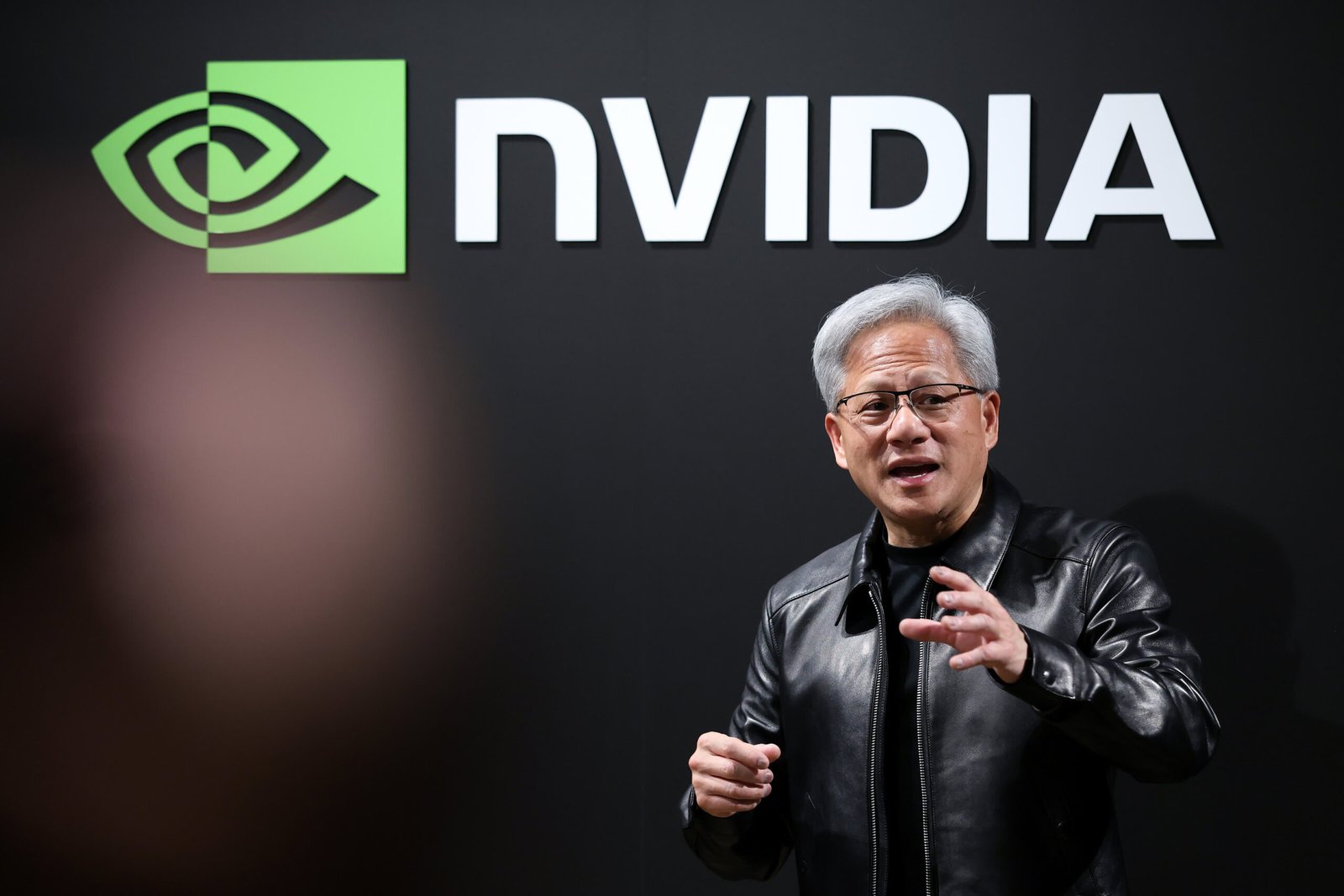
Nvidia’s AI Chip Empire Strikes Back – With a 15% Price Hike
Industry Sentiment
Competitive
What’s Happening at a Glance
- Nvidia plans to raise prices on AI server systems by over 15% for major clients starting in 2025
- Price hikes apply to servers featuring next-gen chips like Vera Rubin and Grace Blackwell
- Increases vary based on chip generation and memory configuration
- Rising cost of high-bandwidth memory (HBM) is cited as a key driver
- Move reflects Nvidia’s dominant position in the booming AI hardware market
Summary
Nvidia, the dominant force in AI semiconductors, is preparing to implement significant price increases for its largest customers. According to reports, server systems packed with its latest AI chips – including the upcoming Vera Rubin and existing Grace Blackwell processors – will see price tags rise by more than 15% when shipped next year. These hikes are not uniform, with adjustments varying depending on chip generation and memory setup. The move comes as the company grapples with escalating costs, particularly for high-bandwidth memory (HBM), a critical component in its GPU-powered servers used by cloud giants and AI labs worldwide.
Rather than absorbing these rising costs, Nvidia appears to be passing them onto customers, leveraging its near-monopoly in the AI training chip space. This strategy underscores how the company is capitalizing on insatiable demand for AI infrastructure, where alternatives remain limited. As enterprises ramp up investments in generative AI and large-scale computing, Nvidia finds itself in a strong position to dictate terms – even if it means tightening the purse strings of its biggest clients.
Why This Is Happening
The price hikes stem from a mix of supply chain pressures and strategic positioning. Soaring demand for AI accelerators has created an environment where Nvidia can command premium pricing. High-bandwidth memory (HBM), essential for feeding data to its powerful GPUs, has become increasingly expensive and scarce, driving up production costs. Additionally, with competitors like AMD and Intel still struggling to gain meaningful traction in the AI server market, Nvidia faces little pressure to hold prices steady. The company is effectively monetizing its technological edge during a period of intense AI adoption across industries.
Key Industry Impact
- Big tech effects: Cloud providers like Microsoft, Amazon, and Google may face higher CapEx bills but continue relying on Nvidia due to performance gaps
- Startup ecosystem: Smaller AI firms could struggle with rising compute costs unless they find alternative solutions or funding sources
- AI development: Higher entry barriers may slow innovation among smaller players, consolidating progress within well-funded tech giants
- Jobs/workforce: Increased server costs could delay hiring or expansion plans at AI-focused startups
- Consumer market: Indirectly impacts consumers through pricier subscription services powered by costly AI infrastructure
- Regulatory implications: Could reignite antitrust scrutiny around Nvidia’s market dominance and pricing power in critical AI tech
Impact on People
- Consumer experience: May result in higher costs for AI-powered apps, streaming enhancements, and personalized services
- Privacy/data: Continued reliance on centralized AI infrastructure raises ongoing concerns over data handling and surveillance
- Employment: Potential job cuts or delayed growth at AI startups; increased need for roles optimizing AI efficiency
- Accessibility: Makes cutting-edge AI tools less accessible to individuals and small organizations without deep pockets
- Pricing: Directly affects SaaS companies and cloud users who depend on Nvidia-powered hardware
- Daily life: Slower rollout of advanced AI features in consumer products due to infrastructure cost constraints
Emerging Technologies
- AI tools: Next-generation large language models requiring massive GPU clusters
- Hardware: Advanced GPUs, HBM modules, liquid cooling systems for dense server deployments
- Software: CUDA ecosystem, AI development frameworks optimized for Nvidia architectures
- Platforms: AI-as-a-service offerings hosted on Nvidia-based cloud infrastructures
- Infrastructure: Data centers specifically designed for AI workloads using Nvidia DGX systems
- Research trends: Innovations in chip design, optical interconnects, and scalable AI training pipelines
Key Companies
- Major corporations: Nvidia, Microsoft Azure, Amazon Web Services (AWS), Google Cloud Platform (GCP)
- Startups: Cohere, Anthropic, Mistral AI, Lambda Labs
- Investors: Sequoia Capital, Andreessen Horowitz,SoftBank Group
- Government agencies: European Commission (antitrust investigations), U.S. Department of Commerce (export controls)