

S&P 500 Nods Higher as Treasury Yields Creep, Crypto Roars, and Investors Pray Jackson Hole Doesn't Break Something
Market Sentiment
Mixed
What’s Happening at a Glance
- S&P 500 rose 0.43% Friday but sits about 2% below its August 13 all-time high
- 10-year Treasury yield climbed to 4.734%, 30-year to 5.273%, highest since 2007, reigniting inflation fears
- Bitcoin surged over 20% weekly on Clarity Act momentum; Robinhood and Coinbase jumped double-digits
- Retail earnings diverged: Walmart down 11% week-to-date, Ross up 7% after beating estimates
Market Summary
The U.S. equity market opened Friday with a modest bounce, the S&P 500 and Nasdaq each gaining 0.43% to temporarily halt a week-long sell-off that saw the benchmark index drop roughly 1.4% for the week and the Nasdaq slide 2%. The rebound came as investors tried to find footing after a steep decline driven by rising Treasury yields, which pushed the 10-year above 4.7% and the 30-year past 5.2%, levels not seen since 2007 amid concerns that higher oil prices from Middle East tensions could reignite inflation. On the positive side, crypto-related stocks rallied sharply as bitcoin jumped over 20% on the week after the White House and industry leaders pushed the Clarity Act forward, lifting Robinhood and Coinbase by double digits. Healthcare stocks provided a rare bright spot, with Merck and Johnson & Johnson supporting the Dow, while tech lagged, with Amkor, Credo, and Meta all down over the past five days. Retail earnings were mixed: Walmart and Advance Auto Parts fell sharply on weak results, but Ross Stores surged 7% after beating estimates, and the SPDR S&P Retail ETF ended the week slightly in the red. Gold hit a three-month high and gained over 5% for the week as the dollar softened following the Treasury's bond-buyback announcement, and Tom Lee of Fundstrat expressed confidence the S&P could reclaim record highs by month-end, though Leo Kelly of Verdence Capital warned equities could drift toward correction territory if yields keep climbing and geopolitical risks persist.
Why This Is Happening
Treasury yields have been on a steady climb this week, extending a months-long upward trend as investors price in persistent inflation risks from higher oil prices and ongoing Middle East tensions, particularly between the U.S. and Iran. The Federal Reserve’s policy path remains in focus; with no meeting scheduled this month and upcoming speeches – including at the Jackson Hole Symposium – markets are parsing every clue about future rate moves. On the crypto front, optimism surrounding the Clarity Act, which aims to provide clearer regulatory guidance for digital assets, triggered a broad rally in bitcoin (up over 20% weekly) and crypto-linked stocks like Robinhood and Coinbase. Earnings season continued to deliver a split narrative: while some giants like Ross Stores exceeded expectations, others like Walmart and Advance Auto Parts missed, prompting analysts to caution about consumer resilience and margin pressure. Meanwhile, Tom Lee of Fundstrat argued that the absence of a Fed meeting this month, cooling inflation data, and the likely end of AI-related de-leveraging could propel the S&P to new highs, contrasting with Leo Kelly’s view that equities may head toward correction if yields breach 6–7% and geopolitical strains endure. The Treasury’s decision to double long-duration bond buybacks offered temporary relief but was met with skepticism, as the underlying debt burden and global issuance pressures remain.
Key Market Impact
- Affected stock sectors: Healthcare and crypto-related stocks gained; technology, utilities, and materials underperformed; retail was deeply mixed
- Major indices: S&P 500 up 0.43% Friday but down ~1.4% for the week; Nasdaq Composite down 2% weekly; Dow Jones added 0.98% on healthcare strength
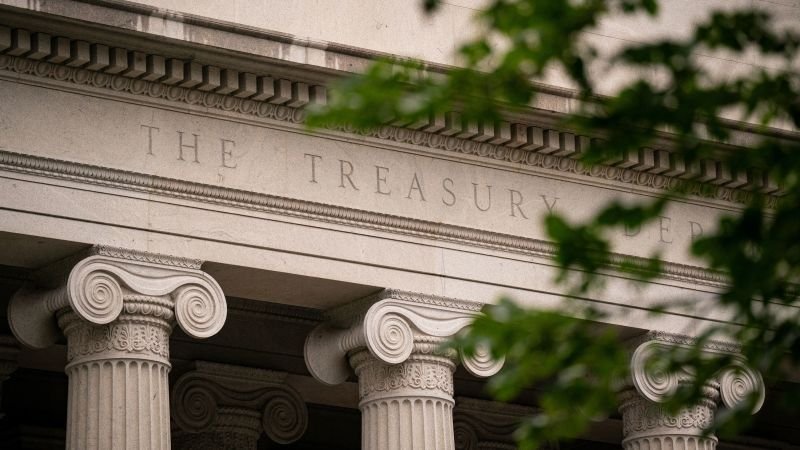
- Interest rates / bonds: 10-year and 30-year Treasury yields rose, putting downward pressure on equity valuations; bond buybacks offered short-term support but skepticism remains
- Consumer economy: Higher yields raise borrowing costs for mortgages, auto loans, and credit cards; retail earnings show divergent consumer spending trends
- Global ripple effects: Asian and European markets showed mixed reaction; MSCI ACWI posted a weekly decline near 1%; Middle East tensions continue to weigh on oil and risk sentiment
Impact on Americans
- 401(k)/retirement impact: Higher Treasury yields may boost income for savers and retirees near retirement, but equity volatility could dampen account values; the S&P’s weekly decline adds pressure on balanced portfolios
- Consumer prices: Rising oil and Treasury yields translate to higher borrowing costs at the pump and at checkout; retail earnings warn of sticky inflation pressure on everyday goods
- Employment: No major jobs data this week, but stronger consumer names like Ross suggest selective spending strength while weaker auto and auto parts may signal broader caution
- Housing/mortgages: 10-year yield near 4.7% directly impacts mortgage rates; any sustained rise above 5% could cool housing refinancing and purchase demand
- Savings/investments: Cash and fixed-income become more attractive relative to stocks as yields climb; gold’s rally offers a traditional hedge for risk-averse savers
Affected Assets
- Stocks: S&P 500, Nasdaq, Dow components; healthcare, crypto, retail, tech
- ETFs: SPDR S&P 500 (SPDR), Invesco QQQ, SPDR S&P Retail (XRT), iShares Gold Trust (IAU)
- Bonds: 10-year and 30-year Treasuries; long-duration bond funds
- Crypto: Bitcoin, Ethereum, Robinhood (HOOD), Coinbase (COIN)
- Commodities: Gold, crude oil, Brent and WTI
- Currencies: U.S. dollar softening against safe-haven assets; yen and euro movements tied to yield differentials