

Inflation Takes a Nap, Fed Might Skip the Rate Hike
Economic Sentiment
Mixed
What’s Happening at a Glance
- CPI rose 0.1% in July, core CPI up 0.2%; annual inflation 3.4% (CPI) and 2.5% (core), both down 0.1 pp from June.
- Energy prices fell 1.5% MoM but are still up 14.7% YoY after a March surge; food and shelter up modestly, shelter drives most of the headline increase.
- Probability of a September rate hike dropped to 42% as labor market jitters and energy volatility temper inflation concerns.
- Markets now see a higher chance of a rate move in October or December; the Fed has another month of data to digest before its September meeting.
Summary
The July consumer price index showed a modest 0.1% monthly increase, with core CPI up 0.2%, leaving annual inflation at 3.4% and 2.5% respectively – both down 0.1 percentage points from June and in line with market forecasts. While energy prices slipped 1.5% month‑over‑month, they remain sharply higher year‑over‑year after a March jump tied to geopolitical shocks. Food and shelter costs nudged higher, with shelter accounting for roughly two‑thirds of the headline rise despite a notable 2.8% drop in lodging‑away‑from‑home expenses.
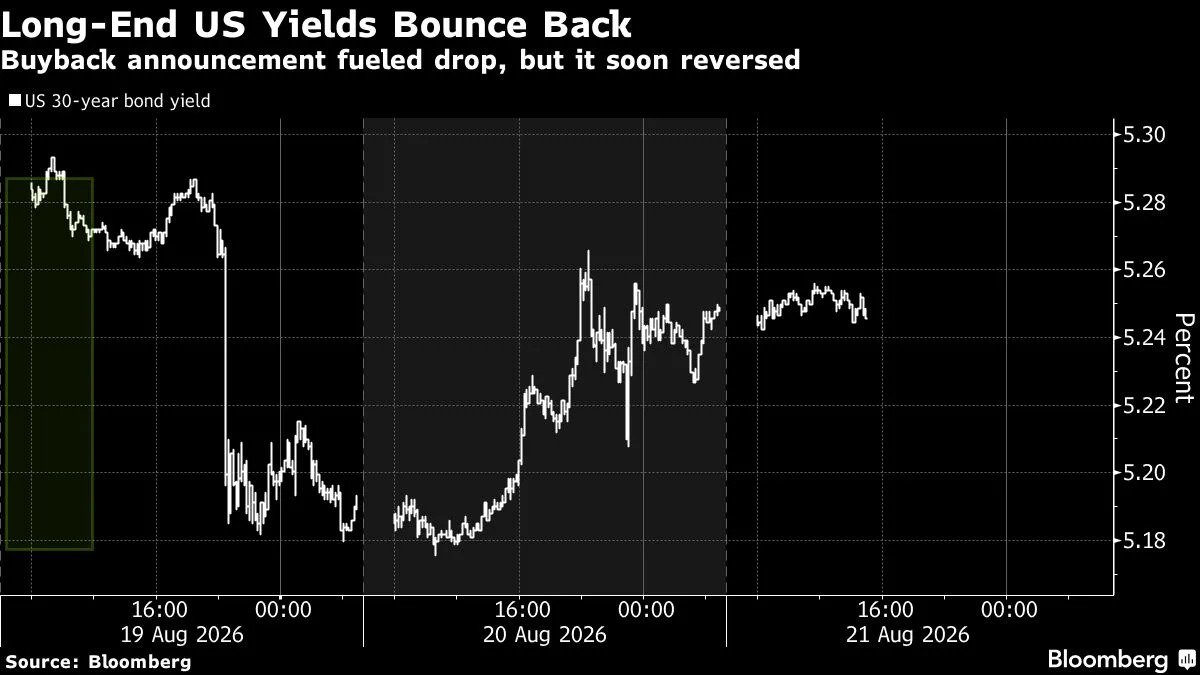
Stock futures rallied and Treasury yields fell after the data, and the CME FedWatch gauge cut the odds of a September hike to 42%, reflecting waning urgency. Labor market softness – evidenced by a net job loss in July – and ongoing energy price swings have shifted market expectations, pushing the likelihood of a rate hike to later months. The Federal Reserve, which last met in July and kept rates steady, now has a full month of inflation readings to assess before its September policy decision.
Why This Is Happening
Inflation is moderating because energy prices have pulled back from their earlier surge and the base‑effect highs from the first half of the year are fading. Shelter costs, a key inflation driver, are still rising but at a slower pace, and a sharp decline in lodging‑away‑from‑home prices helped keep the headline CPI in check. At the same time, a weakening labor market and volatile energy prices have reduced the immediate pressure on the Fed to raise rates, leading it to adopt a “wait‑and‑see” stance. The Fed’s data‑dependent approach means it will watch upcoming CPI, PCE, and employment reports before deciding whether to keep rates unchanged or resume tightening.
Key Economic Impact
- Inflation: moderating but still above the 2% target
- Interest rates: lower odds of a September hike, potential later moves
- Employment: labor market softening, raising concerns about job growth
- Consumer spending: modest price gains may keep spending steady
- Business activity: cautious outlook as financing costs remain uncertain
- Financial markets: equities higher, Treasury yields lower, reduced hike expectations
Impact on People
- Household budgets: slightly less price pressure but still elevated costs for essentials
- Jobs: uncertainty as the labor market weakens
- Wages: stagnant or slow growth amid softer demand
- Housing: shelter costs remain a major expense despite modest CPI moves
- Borrowing costs: rates likely unchanged in the near term, keeping mortgages and loans stable
- Everyday expenses: energy cheaper, while airfares, medical care, and some vehicle prices continue to rise
Key Economic Indicators
- CPI
- PCE
- GDP
- Unemployment
- Wage growth
- Retail sales
- Consumer confidence
- Energy prices
- Shelter costs
Future Outlook
Inflation is expected to hover near 2‑3% in the coming months as energy price volatility eases and shelter pressures remain sticky. The Fed is likely to keep rates steady through September, watching incoming data; if inflation re‑accelerates, rate hikes could resume in October or December. The labor market’s recent softness suggests a cautious stance, and overall economic growth may stay modest until fiscal and monetary policies clarify their path.