

Bond Yields Flash Back to 2007 While AI Dreams and Oil Spikes Stoke Inflation Fears
Economic Sentiment
Uncertain
What’s Happening at a Glance
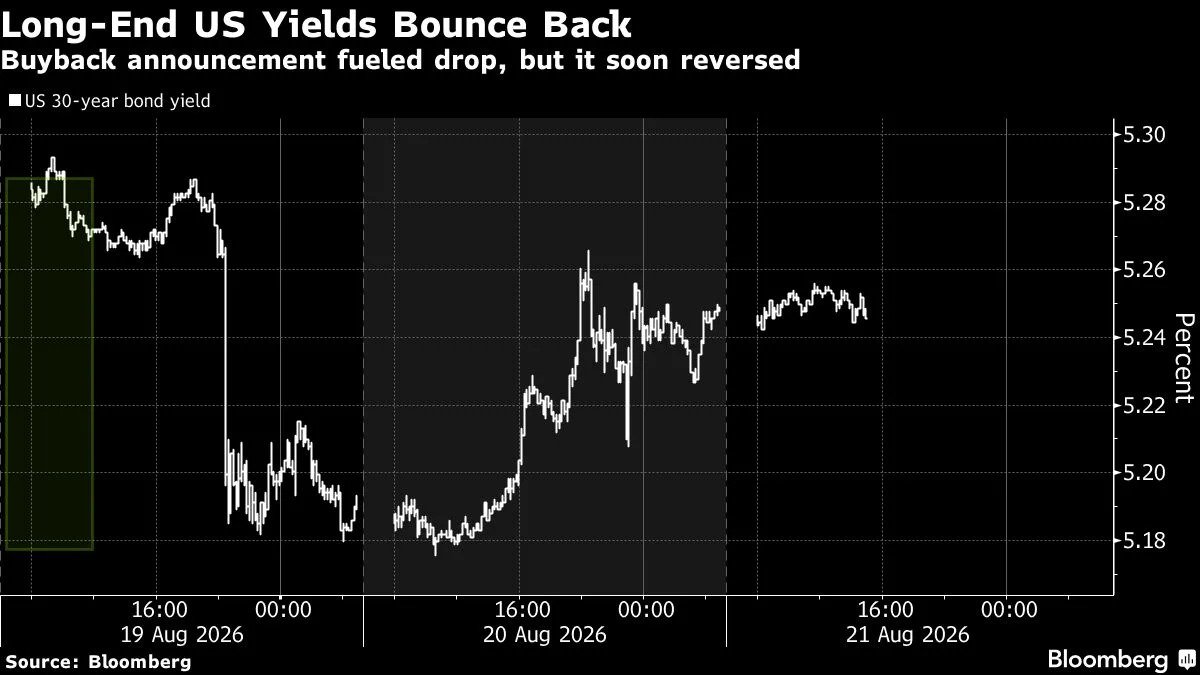
- U.S. 30‑year Treasury yield climbed to 5.33%, the highest since June 2007.
- Brent crude breached $90 a barrel after Middle‑East tensions, reviving inflation worries.
- Heavy government debt and massive AI‑related borrowing are pushing investors to demand higher returns.
- Rising yields could lift mortgage, auto‑loan and credit‑card costs for consumers.
Summary
Long‑term borrowing costs in the United States, United Kingdom, Germany and Japan have surged to multi‑year highs as investors fret over renewed inflation pressures, swelling government debt loads and the uncertain payoff of huge AI investments. The spike in yields follows a jump in oil prices, with Brent crude topping $90 after fresh geopolitical flare‑ups in the Middle East, threatening to pass higher energy costs through to a broad range of goods and services. Analysts note that bond markets are pricing in not only inflation risk but also concerns about fiscal sustainability and the timing of returns on AI‑related spending, which together are raising the cost of capital for governments, corporations and ultimately households.
The move in yields comes after a period of relatively subdued inflation – U.S. CPI fell to 3.4% in July – but the oil‑driven upward pressure could reverse that trend if sustained. Higher long‑term rates already translate into more expensive mortgages, car loans and credit‑card balances, potentially dampening big‑ticket consumer spending and making corporate financing for AI infrastructure and other projects pricier. While no outright bond‑market crisis is cited, the consensus is that investors are demanding a premium for the bundle of geopolitical, inflation and fiscal uncertainties they now face.
Why This Is Happening
The primary driver is the rise in global oil prices, sparked by Middle‑East tensions and fears of supply disruptions, which feeds directly into inflation expectations. When investors anticipate higher future inflation, they require greater yields on long‑term debt to preserve real returns. At the same time, many advanced economies are running elevated budget deficits, and the prospect of continued fiscal borrowing makes bond buyers wary of default or inflation‑erosion risks, pushing them to ask for higher interest. Compounding these factors, corporations have been issuing debt at a record pace to fund AI‑related data‑center builds and technology upgrades; the uncertain timeline for AI profits adds a risk premium that lenders demand. Together, inflation worries, debt sustainability concerns, and speculative AI spending are raising the required return on government and corporate bonds.
Key Economic Impact
- Inflation: upward pressure from higher energy costs; potential pass‑through to broader prices.
- Interest rates: long‑term yields up; short‑term rates may follow if the Fed reacts to inflation.
- Employment: slower hiring in interest‑sensitive sectors (construction, autos, durable goods).
- Consumer spending: costlier loans dampen big‑ticket purchases (homes, cars, appliances).
- Business activity: higher cost of capital curtails investment, especially in AI and infrastructure projects.
- Financial markets: bond prices fall, equity volatility rises, safe‑haven demand may increase.
Impact on People
- Household budgets: higher mortgage and auto‑loan payments reduce disposable income.
- Jobs: hiring may cool in industries reliant on financing (real estate, manufacturing).
- Wages: wage growth could stall as firms face higher financing costs and cautious hiring.
- Housing: mortgage rates rise, worsening affordability for prospective buyers.
- Borrowing costs: increase across mortgages, car loans, credit cards and personal loans.
- Everyday expenses: fuel and transport‑linked goods become pricier, squeezing daily spending.
Key Economic Indicators
- CPI: likely to tick up due to stronger energy component.
- PCE: Fed’s preferred gauge may show a modest uptick if oil prices persist.
- GDP: growth could decelerate if higher financing costs curb business investment and consumer spending.
- Unemployment: may edge up modestly as hiring slows in rate‑sensitive sectors.
- Wage growth: could flatten amid weaker labor demand in affected industries.
- Retail sales: potential dip in durable‑goods and big‑ticket categories.
- Consumer confidence: may weaken as households feel pinch from fuel and loan costs.
Future Outlook
If oil remains near current levels and debt‑related anxieties persist, long‑term yields are likely to stay elevated, keeping borrowing costs high and potentially prompting the Fed to maintain a cautious stance or even consider further tightening. Should geopolitical tensions ease and oil prices retreat, inflation pressures could subside, allowing yields to retreat and giving consumers and businesses some relief. The trajectory will hinge on the interplay of energy markets, fiscal credibility, and the timing of returns on AI‑related investments.