
PBS: The Only Place You Can Vote for Democracy by Buying a T‑Shirt
What’s Happening at a Glance
- PBS relies on corporate sponsors and tax‑deductible donations to keep its news arm alive.
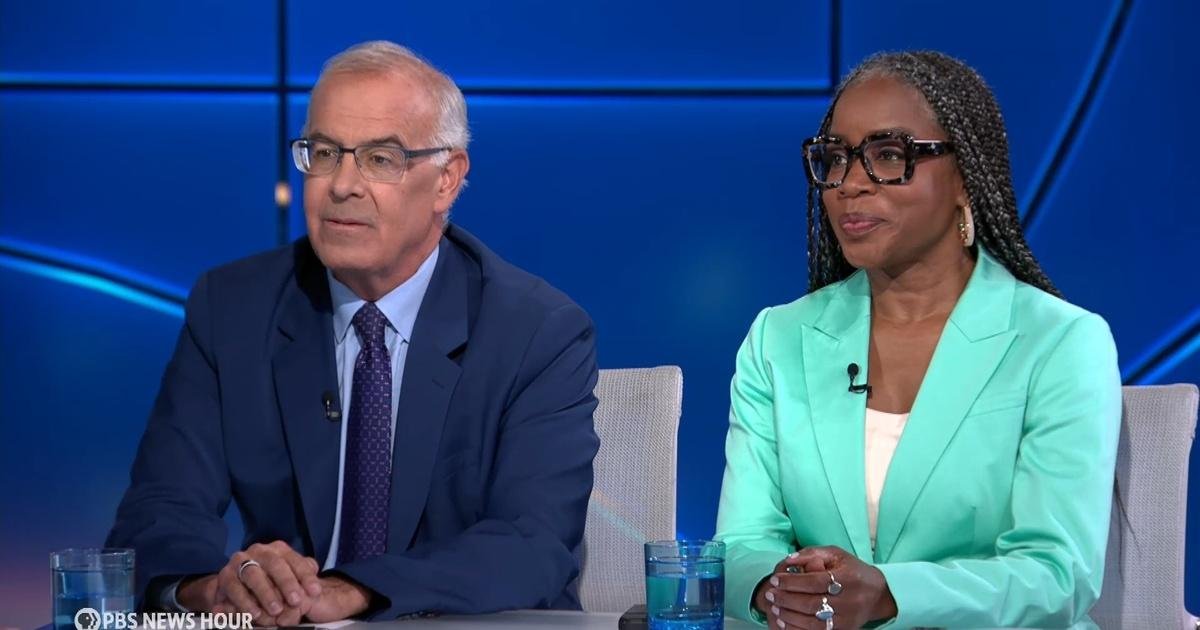
- The PBS NewsHour hosted a panel with David Brooks and Kimberly Atkins Stohr on Wisconsin’s surprising primary upset, the “woke” debate, and the Iran stalemate.
- The discussion highlighted a shift away from the Democratic Socialists of America and a focus on everyday voter concerns like affordability.
- Corporate donors include BDO, BNSF, Consumer Cellular, American Cruise Lines, and Raymond James.
Summary
Public Broadcasting Service (PBS) continues to fund its flagship NewsHour through a mix of corporate sponsorships and viewer donations, a model that allows it to cover contentious political topics without the pressure of commercial advertising. In a recent episode, hosts William Brangham, David Brooks of The Atlantic, and Kimberly Atkins Stohr of the Boston Globe dissected the unexpected outcome of Wisconsin’s Democratic gubernatorial primary, where incumbent David Crowley narrowly defeated socialist challenger Francesca Hong. The panel argued that Hong’s perceived extremism and campaign missteps, rather than a wholesale collapse of the Democratic Socialists of America, drove the upset. They also touched on the broader “woke” movement, noting a shift toward more pragmatic messaging that addresses everyday concerns such as housing and gas prices. The discussion concluded with a brief look at the U.S.–Iran stalemate, underscoring the ongoing geopolitical tensions that shape American foreign policy.
Why This Is Happening
PBS’s funding structure – combining corporate sponsorships with viewer contributions – creates a platform for in‑depth, non‑commercial political analysis. The panel’s focus on Wisconsin reflects the national trend of voters prioritizing practical issues over ideological purity, a shift that has weakened the influence of the Democratic Socialists of America. Meanwhile, the Iran stalemate remains a pressing foreign policy issue, and PBS’s coverage aims to keep the public informed about the complexities of U.S. military engagement and diplomatic strategy. Together, these topics illustrate the intersection of domestic politics, ideological battles, and international conflict that PBS seeks to illuminate for its audience.
Impact on Americans
- Viewers gain a clearer understanding of why certain candidates win or lose, helping them make more informed voting decisions.
- Donations and merchandise sales directly support PBS’s ability to provide independent news coverage, affecting the quality and breadth of information available to the public.
- Corporate sponsorships may influence editorial priorities, potentially shaping how political issues are framed for everyday Americans.
- Discussions of foreign policy, like the Iran stalemate, inform citizens about how international events can impact domestic security and economic conditions.