
Kospi Meltdown Sends South Korean Retail Investors Running – Is This the Death of the "Ant Army"?
Market Sentiment
Bearish
What’s Happening at a Glance
- South Korean retail investors ("ants") suffer heavy losses on Kospi, sparking trauma and regret
- Market crash follows euphoric rally, with some investors lashing out violently
- A growing number of small investors may quit markets for good
- Government officials worry about long-term implications for financial stability
Market Summary
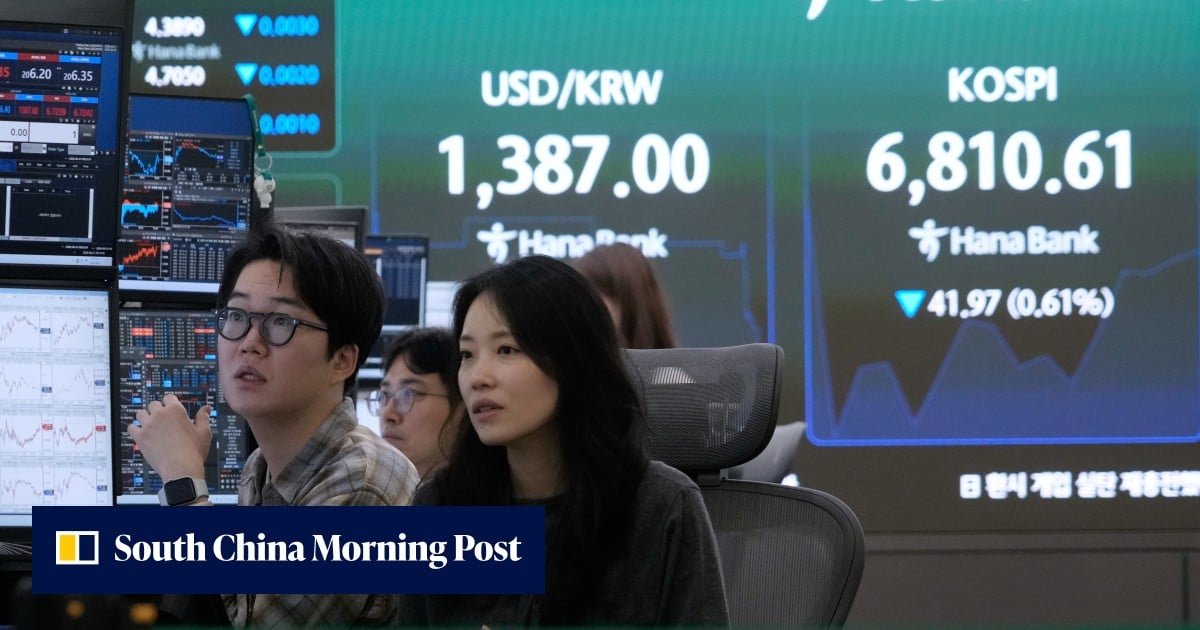
The South Korean stock market, specifically the Kospi, has experienced a dramatic downturn that has left retail investors reeling. Known for their swarm-like entry into the market, these small investors – nicknamed "ants" – flocked to equities amid a bull run fueled by optimism and speculative fervor. Since the market’s recent peak just two months ago, a violent correction has wiped out gains and caused devastating losses for many. As frustration mounts, some investors have suffered emotional breakdowns, with reports of psychiatric distress and even extreme incidents like a stabbing linked to stock losses. The crash has not only shaken individual portfolios but sparked a broader conversation about investor behavior, market sustainability, and South Korea’s readiness forDeveloped Market status.
Why This Is Happening
The Kospi rally was driven largely by retail investor enthusiasm, supported by government stimulus measures and low interest rates that pushed yield-seeking capital into equities. Much like the memestock frenzies seen in other global markets, South Korean ants piled into high-flying tech and gaming stocks, often using leverage. However, as global central banks signaled rate hikes and inflation concerns mounted, risk assets came under pressure. The correction exposed weaknesses in retail investor discipline and highlighted the dangers of speculative bubbles. The government now faces the challenge of restoring confidence without enabling reckless trading.
Key Market Impact
- Stocks: Heavy losses across Kospi-listed tech, gaming, and consumer stocks
- Major indices: Kospi suffers steep decline, erasing months of gains
- Interest rates / bonds: Rising global yields pressure leveraged positions
- Consumer economy: Reduced investor appetite affects consumption sentiment
- Global ripple effects: Highlights risks of retail-driven market bubbles worldwide
Impact on Americans
- 401(k)/retirement impact: Retirees report significant portfolio losses, some swearing off Korean equities
- Consumer prices: No direct inflation effect, but confidence erosion may slow spending
- Employment: Indirect impact via reduced investment-linked bonuses or job cuts in finance
- Housing/mortgages: Possible cooling in speculative property markets tied to stock-linked financing
- Savings/investments: Many small investors face emotional and financial trauma, leading to exits
Affected Assets
- Stocks: Korean tech giants, Samsung Electronics, SK Hynix
- ETFs: KODEX ETFs tracking Kospi
- Bonds: Korean government bond yields rising amid sell-off
- Crypto: Not directly affected but under scrutiny as alternative speculative asset
- Commodities: Minimal impact unless tied to tech supply chains
- Currencies: Korean won sees minor volatility against USD