
Google's Pixel 11 Pro: AI Features So Good They Make You Forget Your Phone… Except When They Don't
Industry Sentiment
Mixed
What’s Happening at a Glance
- Rambler voice-to-text AI feature delivers exceptional accuracy, especially with multilingual input and conversational flow
- Pixel 11 Pro suffers from inconsistent Proactive Assistance that requires specific keywords to function
- HiLight notification LED feature launches severely limited, only working for calls from favorites when phone is face down
- Gaming performance issues persist on flagship device, with titles like Genshin Impact experiencing graphical problems
- Camera improvements are solid but incremental, with better night sight and new computational photography features
Summary
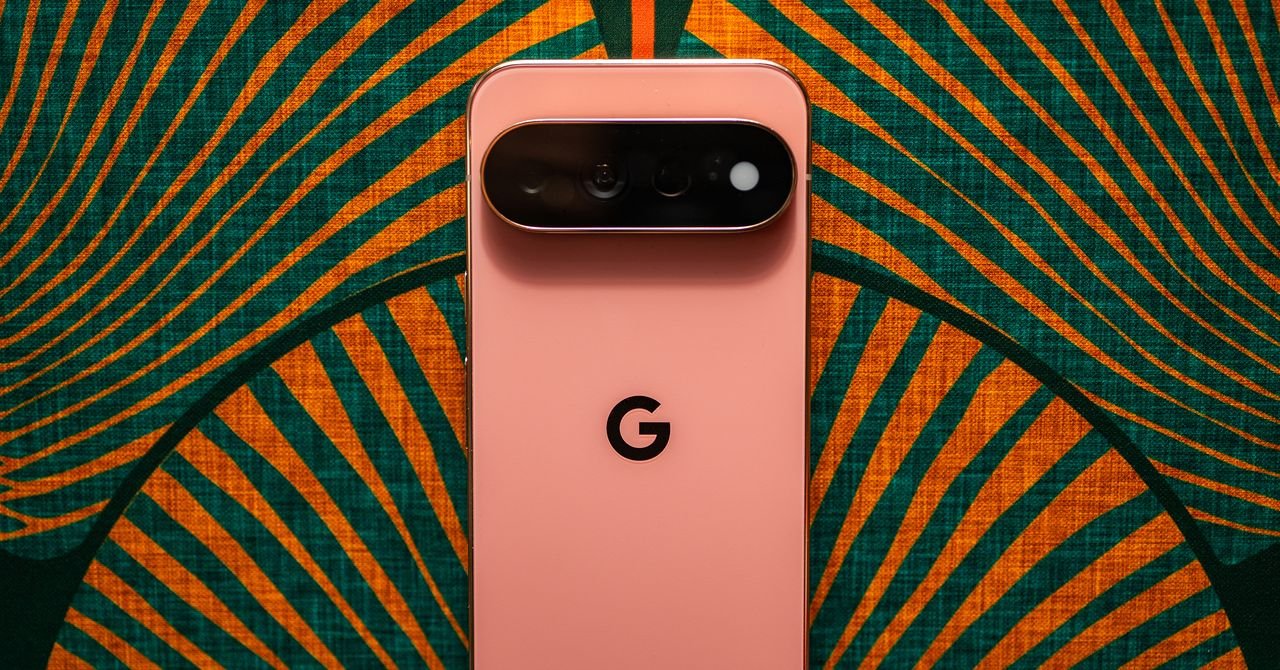
Google's Pixel 11 Pro series represents an ambitious but uneven attempt to reduce phone dependency through AI-powered software features paired with modest hardware upgrades. The standout success is Rambler, an AI-enhanced voice-to-text tool that intelligently removes filler words, handles multilingual input, and performs impressively even in languages like Malayalam – making dictation faster and more natural than competing solutions.
However, the software promises fall short in other areas. Proactive Assistance requires exact keyword phrases to trigger useful actions like restaurant reservations or calendar integration, remaining inconsistent and unreliable beyond basic scheduling tasks. The heavily marketed HiLight LED notification system launches crippled – it only glows for calls from five preselected contacts when the phone is face down, missing text notifications and broader customization options entirely.
Camera upgrades deliver practical improvements including faster Night Sight, enhanced Pro Res Zoom up to 120x, and the return of Portrait mode quality. New features like Magic Capture automate photo selection from video clips, while Camera Looks offer film-style processing modes. Hardware changes include brighter displays, faster charging, and increased base storage, though RAM was reduced from 16GB to 12GB on base models with prices rising $100.
Gaming performance remains problematic, with high-profile titles like Genshin Impact experiencing graphical glitches despite being marketed as flagship experiences. Battery life averages only four hours of screen-on time under normal usage, raising concerns about all-day reliability.
Why This Is Happening
Google is responding to two major pressures: consumer demand for meaningful AI differentiation and internal recognition that Pixel hardware must justify premium pricing. The company has invested heavily in Gemini AI integration following its $100 billion commitment to AI infrastructure, using the Tensor G6 chip to enable on-device processing capabilities that compete with cloud-based services.
The software-first approach reflects Google's strategic pivot away from pure hardware competition toward ecosystem lock-in through AI services. By positioning Rambler as exclusive to Pixel 11 series, Google creates hardware-software synergy that can't be replicated on competing Android devices. This strategy mirrors Apple's approach with iOS-exclusive features, though Google's implementation appears more experimental and less refined.
Market pressures compound this evolution – component shortages have forced difficult trade-offs like reduced RAM while maintaining price points, while consumer skepticism about upgrade cycles pushes Google toward emphasizing software value propositions over measurable hardware gains.
Key Industry Impact
- Big tech impact: Google's AI integration challenges Apple and Samsung's voice recognition dominance in key markets
- Startup ecosystem: Competitors like Cursor and Etched face increased competition from Google's free, integrated solutions
- Developers/engineering: Inconsistent APIs frustrate developers trying to build reliable AI workflows
- Consumer technology: Sets new expectations for real-time voice processing and multilingual capabilities
- Regulatory implications: Antitrust scrutiny of Google's AI feature exclusivity practices on Android ecosystem
- Business competition: Forces rivals to accelerate own AI strategies or risk appearing outdated
Impact on People
- Consumer experience: Rambler significantly improves communication efficiency, but other features create confusion
- Privacy/data usage: On-device processing protects user data, though Gemini integration raises long-term questions
- Employment/jobs: Minimal impact; potential for increased content moderator roles managing AI quality issues
- Pricing/costs: $100 price increase without proportional hardware improvements may deter budget-conscious buyers
- Accessibility: Multilingual Rambler capabilities benefit non-native English speakers significantly
- Daily life impact: Promising time-saving features remain unreliable for consistent adoption
Key Technologies
- AI: Gemini for Proactive Assistance, Rambler voice processing, computational photography
- Cloud: Real-time translation services, emoji/formatting generation
- Hardware: Tensor G6 chip, 50MP main camera sensor, 48MP telephoto, 3600-nit displays
- Software: Gboard integration, camera pipeline optimization, Magic Capture algorithms
- Cybersecurity: On-device processing reduces data exposure risks
- Platforms: Android 15, Qi2 wireless charging, integrated LED notification system
- Infrastructure: Edge computing for low-latency voice processing
Key Companies
- Major corporations: Google (Pixel division, Gemini AI team)
- Startups: Cursor (rival voice typing), Wispr, Willow (dictation competitors facing direct Google competition)
- Government agencies: None directly involved
- Investors/partners: HoYoverse (gaming partner addressing performance issues), unspecified enterprise customers for proactive features
Future Outlook
Within 12 months, expect Google to expand Rambler's capabilities and make it available on older Pixel devices, potentially extending to other Android phones. Proactive Assistance will likely evolve into more sophisticated conversational agents that reduce keyword dependency through improved natural language understanding.
HiLight should mature into a comprehensive notification customization tool, possibly integrating with third-party apps and expanding beyond contact-based alerts. Gaming performance issues will probably be resolved through driver updates and Tensor G6 optimization patches.
Longer-term (2-3 years), these features position Google to challenge Apple's iPhone ecosystem strengths in productivity and communication workflows. However, hardware innovations must accelerate to justify premium pricing, potentially leading to foldable Pixel concepts or specialized AI processing units that differentiate from standard Android hardware.