AI Art Wars: Kids Love 'Em, Lawyers Are Weaponizing Them, and Some Stick Figure Drum Gets Caught in the Crosshairs
Industry Sentiment
Disruptive
What’s Happening at a Glance
- A viral AI-generated meme character, Tung Tung Sahur, sparks a high-stakes U.S. copyright and trademark lawsuit
- The case tests whether AI-assisted creations by humans can be legally protected and monetized
- Roblox game developer Do Big Studios faces a French startup claiming rights over AI-generated characters
- Legal outcome could reshape ownership rules for millions of AI-generated internet memes and digital collectibles
Summary
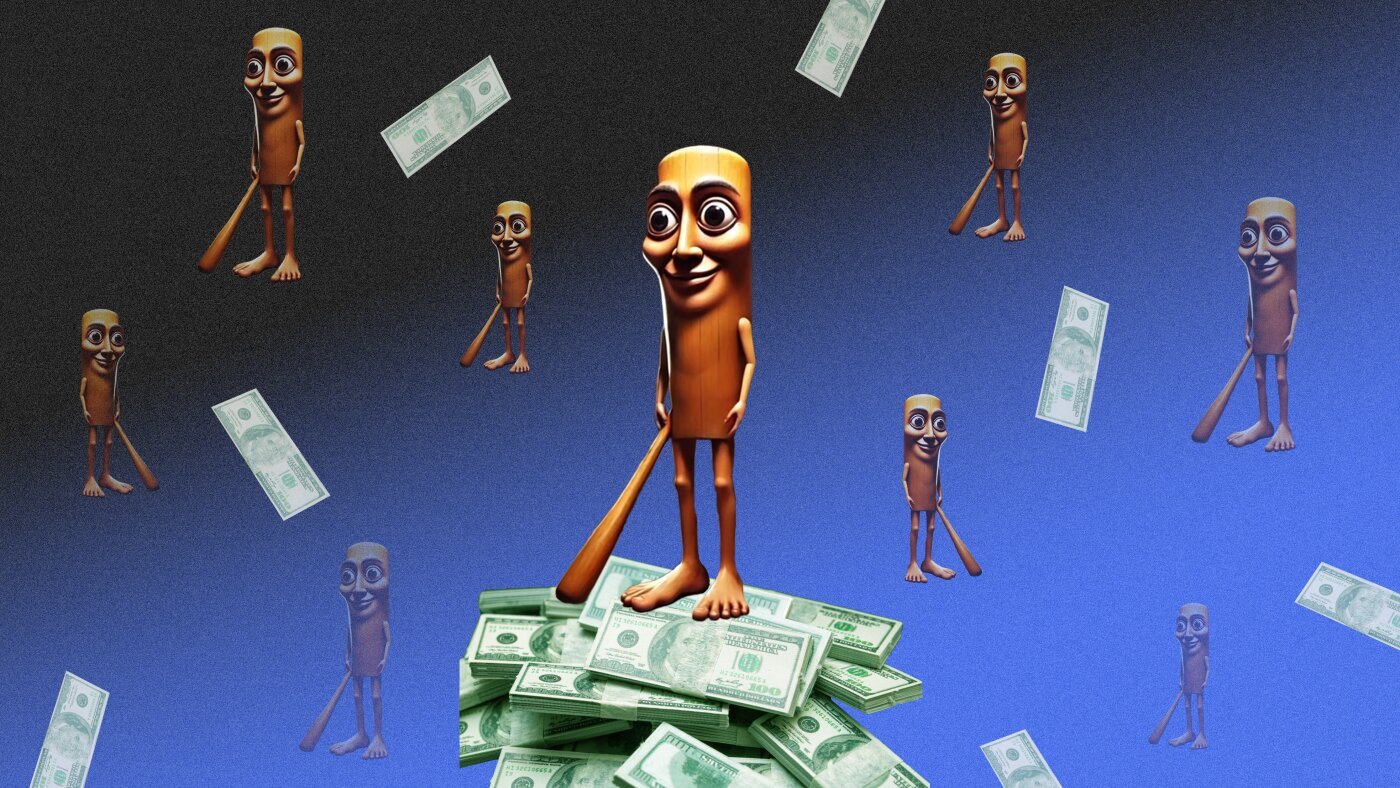
A legal battle unfolding in a California courtroom is set to answer a bold question: Who owns an AI-generated meme character that kids around the world recognize? The character at the center of the fight, Tung Tung Sahur, is a quirky figure with a wooden stick body and human limbs, created by a young Indonesian artist using just seven prompts in an AI image generator. Tung Tung is part of a broader trend called "Italian brainrot," a wave of surreal, AI-generated characters with catchy names that have taken the youth internet by storm and even made their way into viral video games.
The conflict began when Do Big Studios, the creator of the popular Roblox game Steal a Brainrot, received a licensing request from Mementum Lab, a French startup representing several brainrot character creators. Instead of negotiating, Do Big filed suit, arguing that AI-generated characters are not eligible for copyright under U.S. law. Mementum Lab countersued, claiming trademark infringement and asserting that the human creativity behind the prompts qualifies for protection. Legal experts say the case could become a landmark in defining how AI-generated content is owned and controlled, especially as these characters gain commercial value across platforms and merchandise.
Why This Is Happening
AI-generated content is flooding the internet at an unprecedented scale, and platforms like Roblox are turning viral trends into profitable games overnight. As these characters gain mass appeal, questions about ownership naturally arise – what happens when a $100 million game uses freely circulating AI art? The legal ambiguity stems from outdated copyright laws struggling to keep pace with AI's rapid evolution. Current guidelines require human authorship for copyright eligibility, but the line blurs when humans guide AI tools. This case reflects growing pains as courts grapple with balancing innovation incentives against fair use, especially in markets dominated by young creators and global audiences. Corporate strategies also play a role; major players want clarity on asset usage while startups seek to monetize original intellectual property. The intersection of viral culture, gaming economies, and emerging tech regulations makes this dispute inevitable – and consequential.
Key Industry Impact
- Big tech effects: Platforms like Roblox face increased scrutiny over user-generated AI content and potential liability risks
- Startup ecosystem: Young creators and small firms must navigate uncertain IP landscapes when building brands from AI-generated assets
- AI development: Growing pressure for clearer frameworks governing human creativity thresholds in machine-assisted design processes
- Jobs/workforce: May reshape freelance roles involving prompt engineering and AI-assisted content creation workflows
- Consumer market: Potential restrictions or licensing models could affect pricing and availability of AI-themed merchandise and games
- Regulatory implications: Courts evaluating precedent-setting cases that will influence future U.S. and international intellectual property policies
Impact on People
- Consumer experience: Could lead to fewer free-to-use AI memes in games or sudden paywalls for previously accessible characters
- Privacy/data: Minimal direct impact unless creator identities or personal data tied to AI prompts become part of legal proceedings
- Employment: Prompt engineers, digital artists, and meme creators may see shifts in job security and compensation structures
- Accessibility: Licensing disputes might limit open-source sharing of AI-generated visuals, affecting educational or hobbyist projects
- Pricing: Commercial games leveraging disputed characters may face price hikes due to licensing costs or legal settlements
- Daily life: Viral trends like Italian brainrot may lose spontaneity if future creations are tightly controlled by legal gatekeepers
Emerging Technologies
- AI tools: Advanced image generators enabling rapid prototyping of stylized characters with minimal input
- Hardware: High-performance GPUs accelerating generative AI training and deployment across entertainment sectors
- Software: Prompt-based interfaces lowering barriers for non-designers to create visually compelling digital assets
- Platforms: User-generated content hubs integrating AI tools directly into creative workflows and monetization systems
- Infrastructure: Cloud computing services scaling compute-intensive tasks required for mass-market AI content production
- Research trends: Ongoing exploration of attribution methods, synthetic watermarking, and hybrid human-AI authorship models
Key Companies
- Major corporations: Roblox Corporation, Do Big Studios, Getty Images (via AFP)
- Startups: Mementum Lab, emerging AI art collectives and meme-focused platforms
- Investors: Venture capital firms backing early-stage AI entertainment ventures
- Government agencies: U.S. Copyright Office, federal courts interpreting evolving IP doctrines