
Pixel Watch 5 Finally Lets You “Un‑Pinch” Your Alarm – Because Who Actually Wanted That Feature?
Industry Sentiment
Mixed
What’s Happening at a Glance
- Custom double‑pinch gestures now let you dismiss alarms or skip music, not just snooze.
- Pixel Watch 5 bumps RAM to 3 GB, storage to 64 GB, and adds an upgraded Snapdragon W5 chip.
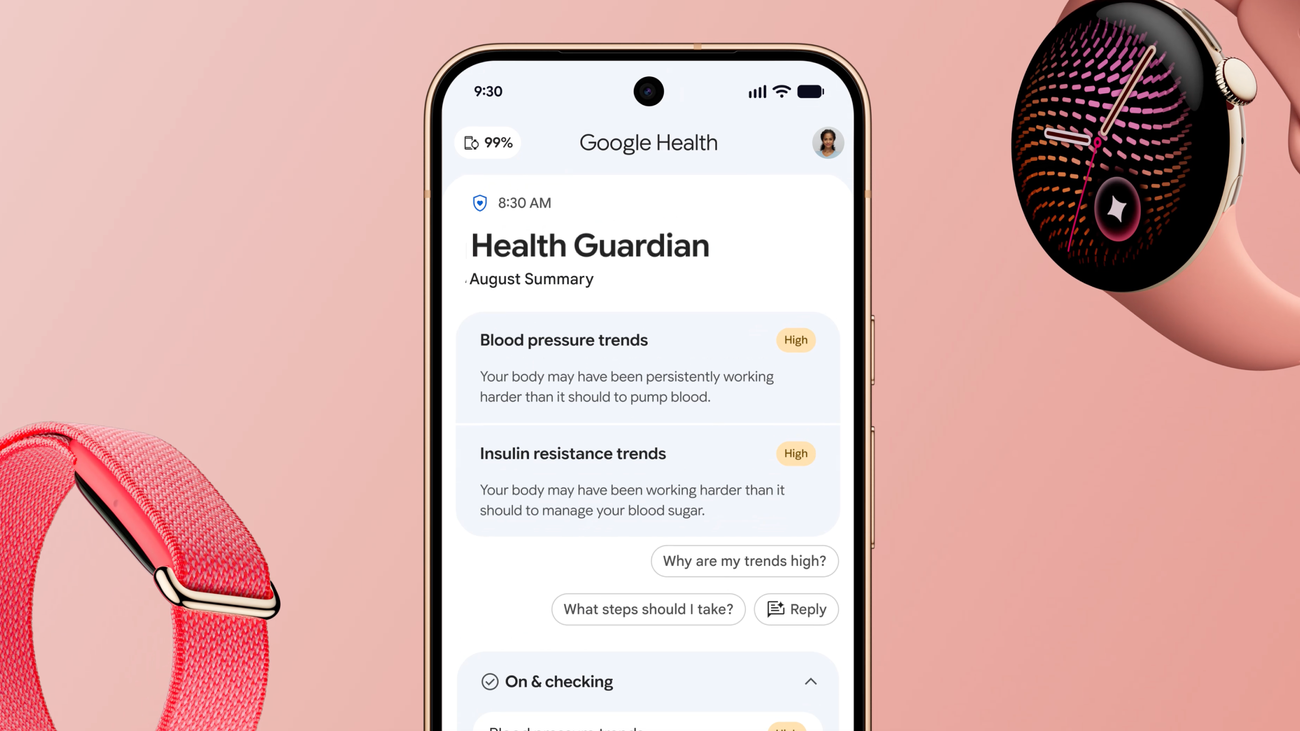
- Google’s Health Guardian suite rolls out new AI‑driven health tracking, requiring a Premium subscription.
- Price rises $50 over the Watch 4, yet many upgrades land on older models too.
Summary
Google is finally giving the Pixel Watch 5 a modest but notable gesture upgrade: a double‑pinch can now be customized to dismiss alarms or skip tracks, moving beyond the old snooze‑only functionality. The hardware refresh includes a faster Snapdragon W5 processor, twice the RAM and storage, and a slightly larger battery, but real‑world gains are modest and battery life stays around a day.
At the same time, Google is expanding its Health Guardian ecosystem with AI‑powered alerts for insulin resistance, blood‑pressure trends, and breathing emergencies, all of which will be gated behind a $10‑per‑month Google Health Premium plan. While the health features sound ambitious, they’re still in a “general wellness” gray zone without FDA clearance and come with privacy and accuracy caveats.
The watch’s $400 price tag feels harder to justify when many improvements also trickle down to the Watch 4 and the competition – especially Apple’s Ultra 3 – offers more mature health sensors. For existing Pixel Watch owners, the incremental gains may not merit an upgrade, but first‑time buyers looking for a stylish Wear OS device with emerging AI tools might still find the Pixel Watch 5 an attractive, if not groundbreaking, option.
Why This Is Happening
Google’s strategy is to iterate rather than reinvent, leveraging incremental hardware upgrades and AI‑driven health features to keep the Pixel Watch relevant in a crowded market. The company is pushes its Gemini AI onto the watch, aiming to differentiate Wear OS from rivals while monetizing health data through Premium subscriptions. Heightened consumer interest in wearable health monitoring and pressure from competitors like Apple and Samsung drive Google to add tangible, even if modest, improvements to maintain market share.
Key Industry Impact
- Big Tech: Google deepens its health‑wearable moat, increasing reliance on subscription revenue.
- Startup ecosystem: New health‑AI tools may spark niche startups targeting compliance and data privacy.
- Developers/engineering: Expanded gesture APIs and offline Gemini create fresh integration opportunities.
- Consumer technology: More customizable watch interactions, but also tighter data‑collection scrutiny.
- Regulatory implications: Health features operating in a “wellness” classification could attract FDA oversight as they mature.
- Business competition: The price bump intensifies the battle for smartwatch dominance against Apple and Samsung.
Impact on People
- Consumer experience: Custom gestures improve usability; however, limited battery life remains a pain point.
- Privacy/data usage: Health Guardian collects sensitive biometric data, raising privacy concerns despite Google’s policies.
- Employment/jobs: Minor hardware upgrades sustain manufacturing jobs but shift focus toward AI and subscription services.
- Pricing/costs: $50 price increase may deter upgrades, pushing budget‑conscious users toward older models or rivals.
- Accessibility: Larger storage and offline Gemini could make the watch more functional for users with limited phone connectivity.
- Daily life impact: Smoother alarm dismiss and music control add convenience, but users must still charge daily.
Key Technologies
Key Companies
Future Outlook
Google will likely continue to roll out Gemini‑powered widgets and multi‑step task automation, while health‑focused features expand to more devices. Expect tighter integration with Google Health Premium, possible FDA‑cleared clinical applications, and incremental upgrades that keep the Pixel Watch competitive but rarely disruptive. The next 12‑18 months will reveal whether subscription‑based health insights become a major revenue driver or a niche add‑on.