

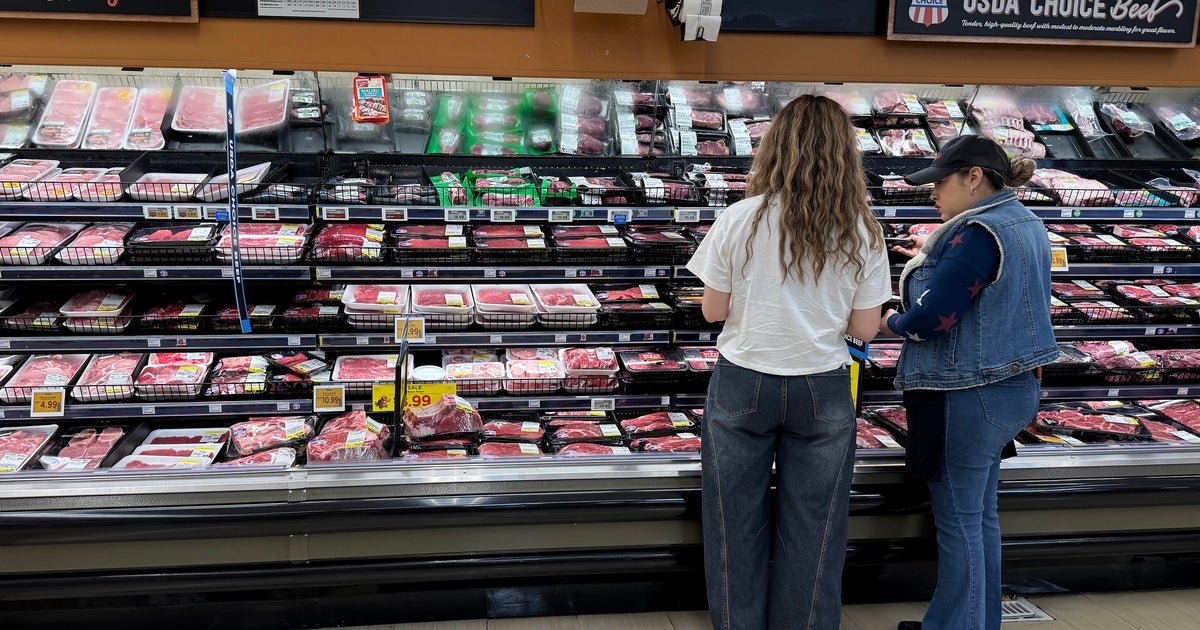
Consumers: Cheaper Beef, Ranchers: Less Revenue – A $25 Billion Dilemma?
Business Sentiment
Mixed
What’s Happening at a Glance
- Trump waives tariffs on 300,000 metric tons of ground beef imports for 90 days to lower prices.
- USDA reports cattle herds hit 28.5 million head in July, a record low since 1973.
- Beef prices rose 9% year-over-year in July, driven by droughts and feed costs.
- Cattle industry opposes imports, fearing harm to domestic ranchers.
- Analysts question if tariff relief will meaningfully curb consumer prices.
Summary
President Trump’s latest effort to combat soaring beef prices involves waiving tariffs on imported ground beef, promising lower costs for consumers. The move targets historically high prices – $6.89 per pound in July, up 57% from five years ago – driven by droughts reducing cattle herds to record lows. While the administration claims the deal will “stimulate herd growth,” critics, including the National Cattlemen’s Beef Association, argue it undermines domestic producers. The tariff pause applies to 300,000 metric tons over three months, with beef sold at 25% below market rates. However, experts note imported beef already trades at steep discounts, and the volume may not significantly impact supply. The policy faces pushback from within Israel’s agricultural lobby, who warn it prioritizes short-term messaging over long-term herd recovery.
Why This Is Happening
Beef prices are surging due to climate-driven droughts shrinking herds and high feed costs. The U.S. cattle inventory is at a 50-year low, exacerbated by herd liquidation. Trump’s tariff waiver aims to temporarily ease prices, but critics argue it fails to address structural issues like packer monopolies and climate resilience. The policy also aligns with broader efforts to boost imports from Argentina (80,000 metric tons annually) and Argentina, though these measures face skepticism about their scale. Regulatory rollbacks for ranchers and a focus on rebuilding herds are cited as secondary strategies.
Key Business Impact
- Corporate impact: Importers gain short-term market access; domestic ranchers face pricing pressures.
- Industry impact: Beef sector sees polarization between importers and domestic producers.
- Jobs/workforce: Ranchers may reduce herds, risking long-term employment in agriculture.
- Consumer market: Lower prices for ground beef, but potential quality concerns.
- Investor implications: Beef ETFs and cattle futures could face volatility.
- Economic ripple effects: Short-term relief for grocery budgets, but risks inflation if imports disrupt supply chains.
Impact on People
- Employment/jobs: Ranchers face uncertainty; feed industry may see reduced demand.
- Consumer pricing: Prices may dip slightly, but experts doubt 25% discounts will materialize.
- Small businesses: Local butchers could struggle competing with subsidized imports.
- Investments/retirement: Agricultural stocks may underperform as industry dynamics shift.
- Services/products: Food service operators (e.g., fast food) likely to benefit from cheaper frozen beef.
- Daily economic impact: Households save on groceries, but ranchers face marginalization.
Affected Industries
- Beef/agriculture
- Food service (fast food, restaurants)
- Retail (grocery chains)
- Agricultural equipment suppliers
- Environmental policy/regulation
Key Companies
- National Cattlemen’s Beef Association
- Australian/Brazilian beef exporters
- Argintine government (for prior import deals)
- U.S. cattle packers (e.g., Tyson, JBS)
- Consumer goods companies (e.g., Hellmann’s, Sanderson Farms)
Future Outlook
The tariff waiver may temporarily ease prices but risks exacerbating trade imbalances and harming domestic producers. Cattle herds could shrink further if droughts persist, pushing prices back up. Political pressure may force the Administration to balance lobbying from agribusiness vs. farm-state voters. Long-term, climate adaptation and feed subsidies will likely shape the sector, with imports serving as a stopgap – not a solution.