Trump’s Fixer Says “Mobster” Was Just Jealousy All Along – Cohen Now a Praise Bot
What’s Happening at a Glance
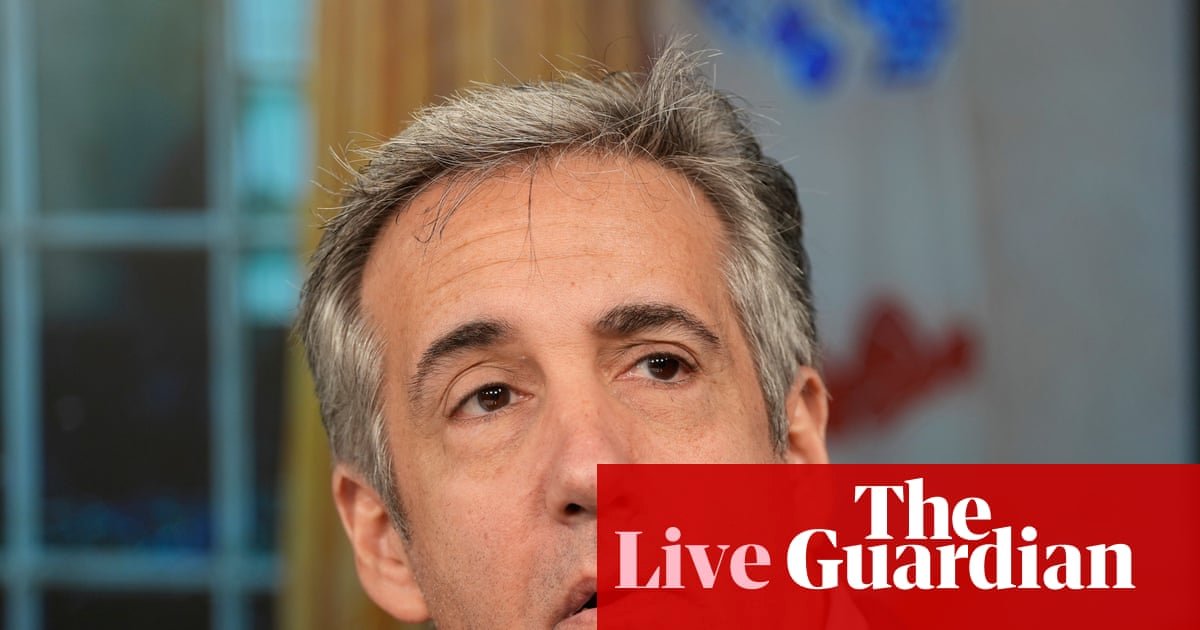
- Michael Cohen, Trump’s former “mobster” accuser, reversed course to offer effusive praise on his radio show
- White House aide Natalie Harp lacked security clearance for a year before finally getting it amid controversy
- USS Doris Miller aircraft carrier may lose its historic name to honor Donald Trump instead
- Anonymous fake polling site exposed how easily misinformation spreads in political races
- Cook Political Report shifts Texas and Iowa Senate races to “toss-ups,” signaling potential Democratic gains
Summary
Donald Trump’s former personal lawyer Michael Cohen, who once called him a “mobster” during congressional testimony, appeared to reverse his stance by praising Trump on his NYC radio show, calling him a “good advocate” who was “weaponized” unfairly. The interview also included Trump’s vague admission that he won re-election twice – echoing his disputed claim of a 2020 victory – while Cohen sought a pardon for his crimes. Meanwhile, White House scandals festered: executive assistant Natalie Harp worked a year without security clearance, and the Navy faces backlash after Trump ordered the USS Doris Miller renamed after himself, erasing a Black sailor’s historic Pearl Harbor heroism. A separate controversy erupted in LA as Mayor Karen Bass likened taco trucks to homeless encampments during a mayoral debate, reigniting debates over street vending and cultural identity. Additionally, Cook Political Report downgraded GOP-leaning Senate races in Texas and Iowa to “toss-ups,” suggesting a potential blue wave in 2024, while a 21-year-old’s fake polling site exposed how misinformation can infiltrate mainstream political discourse.
Why This Is Happening
Trump’s administration continues to face scrutiny for lax oversight and personnel decisions, exemplified by Harp’s prolonged security clearance delay, which raises questions about compliance with federal protocols. The Cohen interview underscores his long-standing enmity with Trump, dating back to his 2018 guilty plea for hush-money payments and criminal tax fraud, which he later recanted. Trump’s 2024 campaign has normalized rhetoric dismissing election integrity and rewriting history, including his false claims of winning 2020. The Navy’s USS Doris Miller renaming saga reflects Trump’s trademark tendency to insert himself into institutions, prioritizing personal legacy over tradition. Meanwhile, fake polling and polarization in cities like LA mirror broader disinformation trends; Bass’s remarks reveal class and cultural tensions around homelessness and small businesses, while the Cook Political shift highlights voter volatility in traditionally red states amid abortion rights, immigration, and economic issues.
Impact on Americans
- Security Concerns: Harp’s clearance delay could raise red flags about national security protocols at the White House.
- Cultural Wars: LA’s taco truck debate highlights how street vending and gentrification divide communities, affecting immigrant-run businesses.
- Misinformation: Fake polling in key states may distort public opinion ahead of elections, pressuring media and campaigns to verify sources.
- Military Symbolism: Renaming the USS Doris Miller risks erasing Black military contributions, drawing criticism from veterans and civil rights groups.
- Electoral Volatility: Toss-up Senate races in Texas and Iowa signal potential Democratic gains, impacting policy on abortion rights, climate, and tech regulation. Cooperation between progressive groups and AIPAC-backed Super PACs in California’s special election shows how external cash can reshape races, even in local contests.