

"Treasury Sells More Debt toBuy Back Its Own Debt – Because Nothing Says ‘Climate of Confidence’ Like a Government Paying Itself"
Economic Sentiment
Mixed
What’s Happening at a Glance
- Treasury’s debt buybacks expanded to counter rising yields but with limited long-term impact, per strategists.
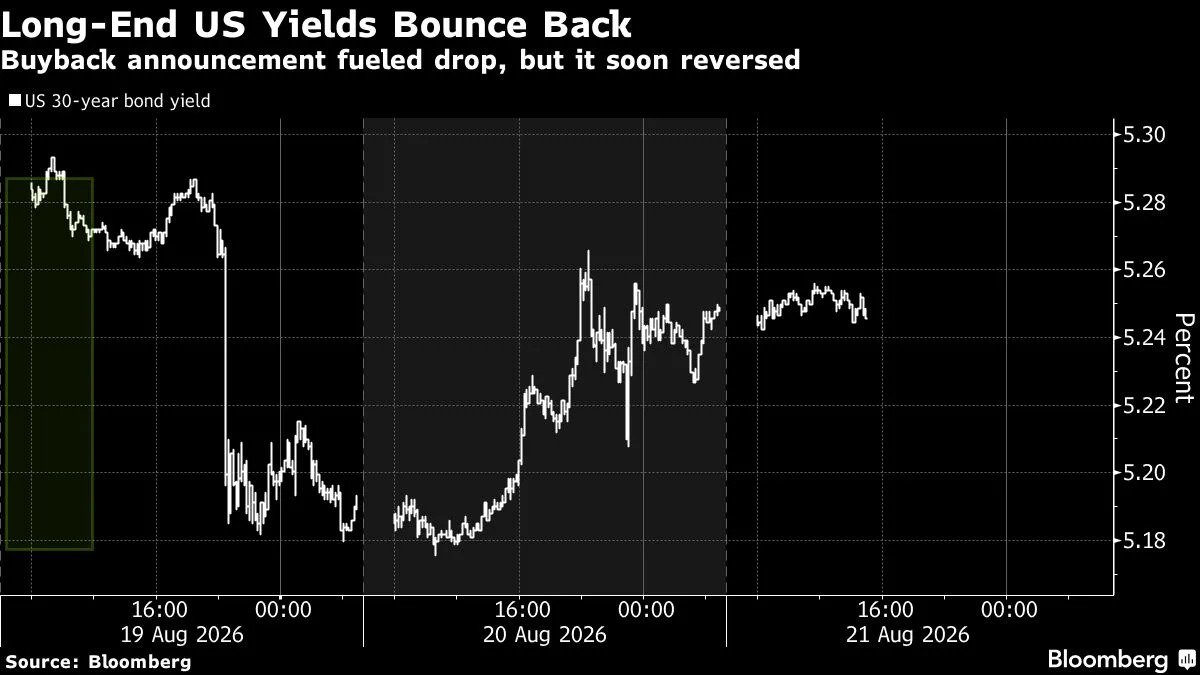
- Long-term yield on 30-year Treasuries hit 2007-era highs at 5.25%, fueled by inflation fears and corporate borrowing.
- Weaker retail sales and subdued July inflation suggest mixed economic signals confusing markets.
- Scott Bessent pledges new fiscal plans to curb borrowing costs, but skepticism remains.
Summary
The U.S. Treasury is doubling down on debt buybacks to tame bond yields, a move dubbed “temporary band-aid” by experts. While Treasury Secretary Scott Bessent claims these measures address “unsustainable borrowing costs,” strategists like Friedrich Schaper warn they’ll only delay the inevitable unless broader economic weaknesses – like sluggish consumer spending and underwhelming inflation – are tackled. Despite the debt deals, yields spiked this week, climbing to 5.25% for 30-year bonds, a level last seen during the financial crisis. Theaults’ plan hinges on “benign inflation,” but consumers saw weaker retail sales and mixed wage data, muddying the picture. Markets remain split: some see a path to lower rates, others fear persistent inflation or policy missteps.
Why This Is Happening
The Treasury’s debt buybacks are a reaction to two forces: investors demanding higher returns for lending to a nation with record debt and lingering inflation worries. Despite the government’s efforts, core inflation remains stubbornly above the Fed’s target, and corporate borrowing has flooded markets, competing with government debt. Schaper notes the buybacks fail to address “underlying U.S. macro drivers,” like weak consumer demand and uncertain labor market improvements. Meanwhile, Bessent’s new fiscal plan – yet to be detailed – may or may not quell these fears.
Key Economic Impact
- Inflation: Subdued in July but risks resurfacing if yields stay elevated.
- Interest rates: Likely to stay high for longer, delaying potential rate cuts.
- Employment: Mixed labor data (including disappointing numbers) suggests growth hasn’t accelerated.
- Consumer spending: Weak retail sales indicate spending remains fragile.
- Business activity: Higher borrowing costs could slow expansions.
- Financial markets: Volatility may persist as investors weigh risks.
Impact on People
- Household budgets: Higher mortgage rates strain home purchases and refinancing.
- Jobs: Stable but not robust job market offers no cushion against inflation.
- Wages: Modest growth hasn’t kept pace with borrowing costs.
- Housing: Elevated yields keep mortgage rates high, cooling the market.
- Borrowing costs: Businesses and consumers face pricier loans.
- Everyday expenses: Rising yields could pressure prices for loans and cash alternatives.
Key Economic Indicators
- CPI (inflationproxy): Mixed July data (lower services, higher energy) keeps central bank cautious.
- PCE: Fed’s preferred measure may show slower inflation, influencing policy.
- 30-year Treasury yields: Key barometer for borrowing costs; recently spiked to 2007 highs.
- Unemployment: Holds steady but doesn’t signal strong growth.
- Retail sales: Missing expectations, raising recession concerns.
- Consumer confidence: Mixed, as price pressures ease but job market lags.
Future Outlook
The economy could swing between two narratives: either yields drop if inflation stays muted, enabling Fed cuts, or Treasury buybacks become unsustainable, forcing rate hikes. The administration’s fiscal plan will be critical, but with Washington gridlock, optimism is thin. Skeptics argue this could be a prolonged “waiting game” for clearer macro signs.