

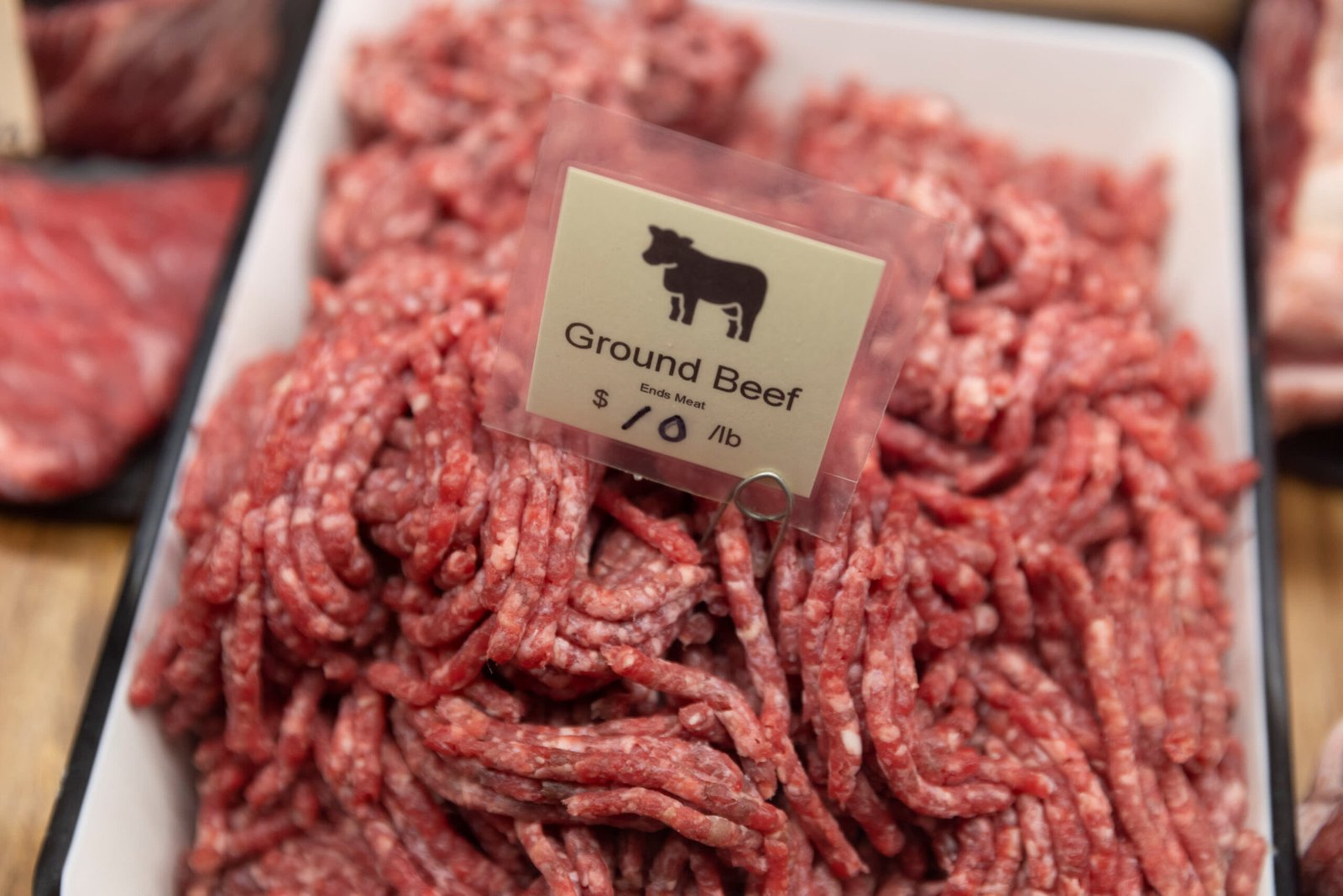
Trump’s ‘Beef Bonanza’: 300K Tons of Imported Ground Beef Promised at 25% Off – Ranchers Cry ‘Herd‑Harming’
Business Sentiment
Mixed
What’s Happening at a Glance
- Up to 300,000 metric tons of beef imports exempt from out‑of‑quota tariffs for 90 days.
- Imported beef must be priced roughly 25% below current U.S. market rates.
- White House says the deal is with foreign exporters; buyers remain unidentified.
- Powerful ranchers’ groups, including the National Cattlemen’s Beef Association, condemn the move as a threat to herd growth.
Summary
President Donald Trump announced that his administration will allow up to 300,000 metric tons of ground beef to be imported into the United States over the next 90 days without triggering the usual “out‑of‑quota” tariffs. The imported beef must be sold at about 25% below prevailing U.S. prices, a promise aimed at giving consumers cheaper meat ahead of the November midterm elections. The White House says the arrangement is with foreign beef exporters, though the exact companies and countries have not been disclosed. Trump plans to formalize the tariff waiver through an executive order within two weeks.
The proposal has sparked immediate backlash from Republican‑leaning rural lawmakers and beef industry groups. Senator Tim Sheehy and the National Cattlemen’s Beef Association argue that flooding the market with foreign, subsidized beef will undermine U.S. cattle ranchers trying to rebuild a herd that is already at a 70‑year low due to drought, high feed costs, and liquidation. They warn the policy could hurt ranchers’ incomes and long‑term herd expansion plans.
Beef prices have risen sharply in recent years as the national cattle inventory fell to its smallest level since the 1950s. The United States already imposes a 4.4‑cent per kilogram tariff on imports within quota and a 26.4% tariff on anything above that threshold, which can add more than $1.80 per kilogram to the cost of imported beef. Trump’s move is viewed as a politically motivated attempt to curb those price pressures, even though analysts say the discount may be modest and the broader impact on the herd remains uncertain.
Industry observers note that while fast‑food chains and grocery retailers could see lower input costs, the overall effect on the U.S. beef supply chain is likely to be limited in the short term. The administration’s own economic advisors caution that the price relief may be temporary and could come at the expense of long‑term stability for American cattle producers.
Why This Is Happening
Key Business Impact
- Corporate impact: Potential boost for fast‑food and food‑service firms that rely on cheap ground beef.
- Industry impact: Expansion of tariff‑free beef imports could tilt competition toward foreign suppliers.
- Jobs/workforce: Uncertainty for ranchers; possible preservation of processing jobs but risk of cattle‑production layoffs.
- Consumer market: Expected 25% discount on ground beef could lower grocery bills for price‑sensitive shoppers.
- Investor implications: Volatility for stocks of beef processors, importers, and cattle‑futures traders.
- Economic ripple effects: Short‑term inflation relief on a staple food, but long‑term herd contraction could tighten supply and raise prices later.
Impact on People
- Employment/jobs: Ranchers fear reduced demand for U.S. cattle could curb hiring and investment in rural communities.
- Consumer pricing: Projected price drop may shave a few dollars off weekly grocery costs.
- Small businesses: Local meat processors and grocery stores could face tighter margins from imported competition.
- Investments/retirement: Farm co‑ops and livestock‑related retirement funds may see lower returns if herd expansion stalls.
- Services/products: Fast‑food operators may leverage cheaper beef to extend value menus or promotional offers.
- Daily economic impact: Households could enjoy modest savings on a staple item, while ranchers experience income pressure.
Affected Industries
- [Agriculture]
- [Retail]
- [Food Service]
- [Manufacturing]
- [Consumer Goods]
- [Transportation]
Key Companies
- [Major corporations] – Fast‑food chains (e.g., McDonald’s, Burger King), grocery retailers (Walmart, Kroger), meat packers (JBS, Tyson)
- [Competitors] – Domestic beef producers (Cargill, National Beef), foreign exporters (Australia, Brazil)
- [Investors/shareholders if relevant] – Shareholders of beef processors, agricultural REITs, cattle‑futures traders
- [Government/regulators if relevant] – U.S. Department of Agriculture, Office of the United States Trade Representative, White House
Future Outlook
The tariff waiver is likely to be short‑lived, serving as a political tool ahead of the midterms. If the promised price cut fails to materialize or if ranchers’ protests intensify, the administration may face pressure to reverse or modify the policy. Over the longer term, persistent low cattle inventories and the risk of further herd contraction could keep beef prices elevated, limiting the durability of any temporary cost savings for consumers.