
OpenAI Sneaks a ‘Read‑Your‑Messages’ Plugin into Apple’s iMessage – Because Who Needs Privacy Anyway?
Industry Sentiment
Risky
What’s Happening at a Glance
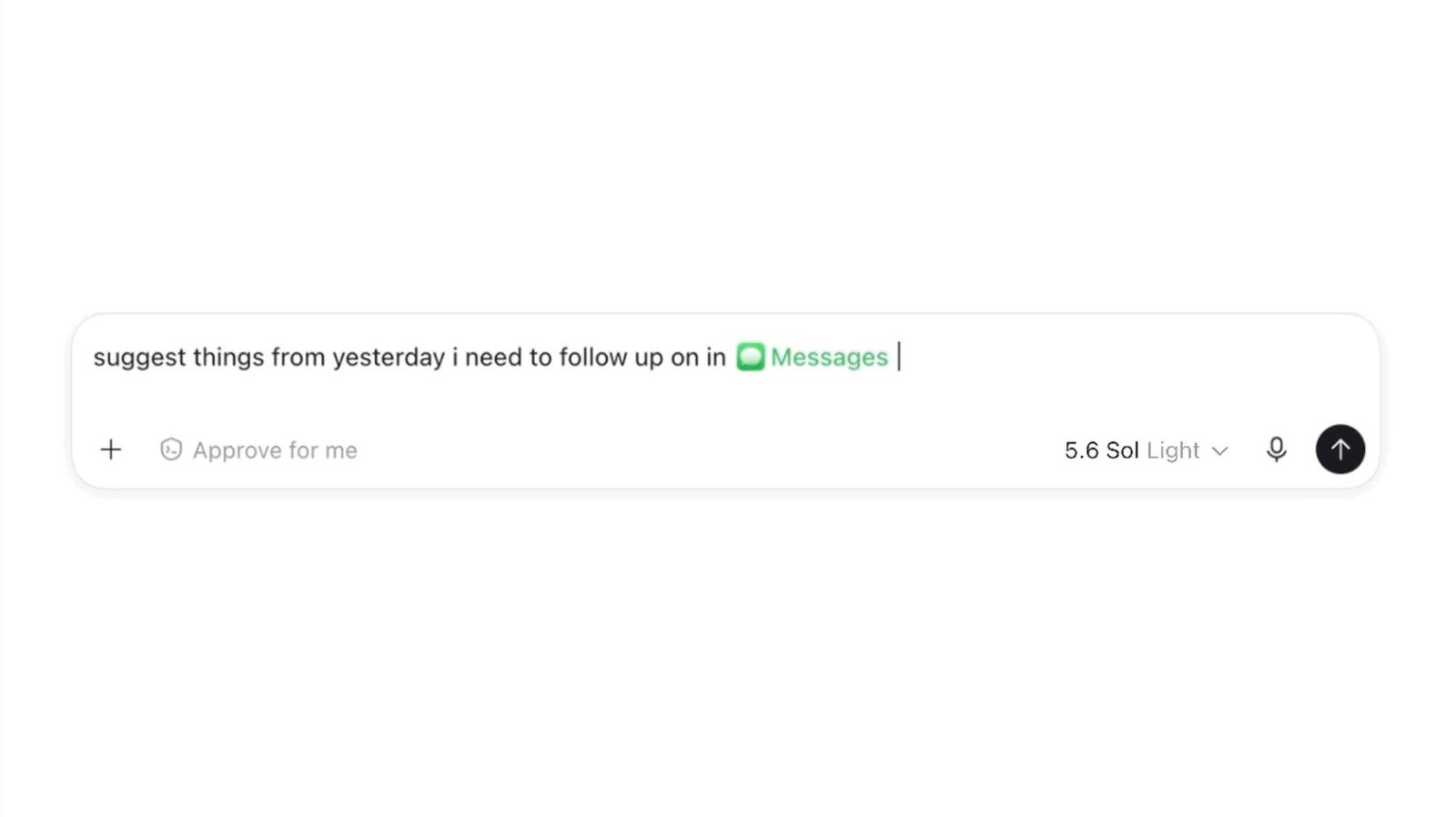
- OpenAI launched an opt‑in plugin for Apple Messages that lets ChatGPT search and draft replies directly from the macOS Messages app.
- Users must grant extensive permissions: full disk access, contact names, automation rights, and allow ChatGPT to read their on‑device message history.
- The feature follows a recent Apple‑OpenAI lawsuit over alleged trade‑secret theft, raising fresh privacy and security concerns.
- Access is currently limited to ChatGPT Work and Codex subscribers, not the general public.
Summary
OpenAI has introduced a plugin for the Apple Messages app that enables ChatGPT to search message histories, draft replies, and send them directly from a Mac desktop. The tool is opt‑in and requires users to approve several permissions, including full disk access, contact list visibility, and automation rights, ensuring it isn’t installed accidentally. Initially, only ChatGPT Work and Codex subscribers can use the feature.
The rollout comes amid heightened privacy worries and a legal battle between Apple and OpenAI, where Apple alleges OpenAI stole trade secrets by hiring its employees. Apple has a history of restricting third‑party iMessage integrations, as seen with the Beeper Mini app, which was blocked until it made adjustments.
Analysts see this as part of a broader push to embed AI deeply into everyday communication tools, while also reflecting Apple’s cautious stance on third‑party access to its messaging ecosystem. The move could set a precedent for how AI services interact with personal data on tightly controlled platforms.
Why This Is Happening
The plugin reflects growing demand for AI‑enhanced productivity within existing apps, prompting OpenAI to integrate its chatbot directly into Apple’s messaging platform. Apple’s historically strict control over iMessage access, combined with its recent legal dispute with OpenAI over alleged trade‑secret theft, creates a climate where any third‑party integration must be carefully vetted. Additionally, the limited rollout to specific subscriber tiers signals a strategy to test the feature’s viability while managing privacy and security risks before a wider release.
Key Industry Impact
- Big tech impact: raises privacy and regulatory scrutiny over AI’s access to personal messaging data.
- Startup ecosystem: may encourage other AI startups to seek similar deep‑integration pathways, but also warns of potential platform restrictions.
- Developers/engineering: requires adaptation to macOS permission models and raises questions about API stability.
- Consumer technology: offers new convenience but introduces data exposure concerns for everyday users.
- Regulatory implications: could trigger new rules on AI access to private communications and consent requirements.
- Business competition: intensifies rivalry between OpenAI and Apple, and may spur other AI firms to pursue platform‑specific integrations.
Impact on People
- Consumer experience: adds a powerful AI assistant to Messages, but requires extra setup steps.
- Privacy/data usage: messages become readable by an external AI, increasing data exposure risks.
- Employment/jobs: may create demand for engineers skilled in AI‑messaging integration, while also sparking concerns about job displacement.
- Pricing/costs: currently free for eligible subscribers; potential future premium pricing for advanced features.
- Accessibility: could aid users with limited typing ability by enabling AI‑generated replies.
- Daily life impact: changes how people compose and respond to texts, potentially normalizing AI‑mediated communication.
Key Technologies
- AI
- Software
- Platforms
- Cybersecurity
Key Companies
- OpenAI
- Apple
- Beeper (as illustrative third‑party example)
Future Outlook
Expect tighter scrutiny of AI‑messaging integrations, possible Apple restrictions or new consent frameworks, and broader competition among AI providers to embed their services directly into iOS and macOS ecosystems over the coming months.