

U.S. Debt Hits $40 Trillion, Bond Yields Soar – Because Nothing Says ‘Stability’ Like Sky‑High Borrowing Costs
Economic Sentiment
Negative
What’s Happening at a Glance
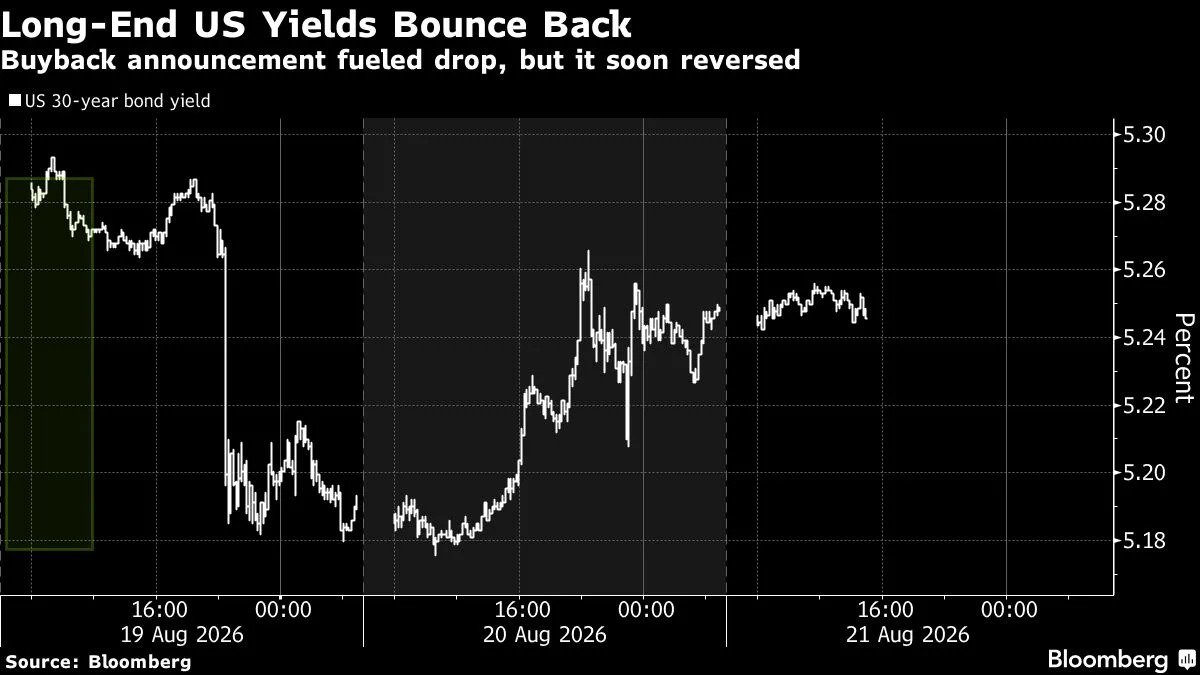
- Long‑term U.S., German and Japanese bond yields surged to multi‑decade highs, with the 30‑year U.S. yield topping 5.2%.
- The spike reflects ballooning government debt, geopolitical tension (Iran war, oil price rise) and intense competition for capital from AI‑driven tech investment.
- Higher yields are raising borrowing costs for companies, households and are rattling equity markets, which fell across major indices.
Summary
Long‑term borrowing costs in the United States, Germany, Japan and other developed economies have jumped to their highest levels in years, driven by a combination of record‑high sovereign debt, escalating geopolitical risks and a shift in capital demand toward AI infrastructure. Treasury auctions recently cleared at yields not seen since the early 2000s, with the 10‑year note at 4.68% and the 30‑year at 5.22%, marking 19‑ and 25‑year peaks respectively. While some analysts argue the current bond selloff may be temporary and that investors are still eager for duration, others warn that persistent debt growth, uncertain Fed communication and rising oil prices could keep yields elevated, threatening economic stability.
The surge in yields is being fueled by several forces: U.S. debt is approaching $40 trillion, fiscal deficits remain large, and the war in the Middle East has pushed oil prices above $90 a barrel, stoking inflation concerns. At the same time, massive borrowing by technology firms to fund AI data‑center build‑outs is competing with demand for government bonds, while foreign holders of U.S. Treasuries – led by Japan, the UK and China – have been reducing their stakes, adding further downward pressure on prices. Uncertainty about the Federal Reserve’s policy direction under new Chair Jerome Powell (referred to as Kevin Warsh in the text) has also spooked markets, leading to a “flight to safety” that paradoxically pushes yields higher.
Why This Is Happening
Key Economic Impact
- Inflation: Higher oil prices and stronger inflation expectations are feeding upward pressure on CPI.
- Interest rates: Rising bond yields translate into higher benchmark rates for loans, mortgages and corporate financing.
- Employment: Elevated financing costs may slow hiring and increase layoff risks in rate‑sensitive sectors.
- Consumer spending: More expensive credit can curb discretionary spending and housing purchases.
- Business activity: Companies face higher costs of capital, potentially dampening investment and expansion plans.
- Financial markets: Bond sell‑offs have dragged equity indices such as the Nasdaq and STOXX 600 lower, signaling broader risk aversion.
Impact on People
- Household budgets: Higher mortgage and loan payments squeeze disposable income.
- Jobs: Potential slowdown in hiring and greater job insecurity in sectors reliant on cheap credit.
- Wages: Employers may curb wage growth to offset rising borrowing costs.
- Housing: Elevated mortgage rates reduce home‑affordability and may dampen the housing market.
- Borrowing costs: Credit cards, auto loans and other consumer debt become more expensive.
- Everyday expenses: Indirect price pressures from higher financing costs and inflation can raise the cost of goods and services.
Key Economic Indicators
- CPI
- PCE
- GDP
- Unemployment
- Wage growth
- Retail sales
- Consumer confidence
Future Outlook
If government debt continues to expand and geopolitical tensions stay high, long‑term yields are likely to remain elevated, keeping borrowing costs high and potentially slowing economic growth. The Federal Reserve may feel compelled to tighten policy further, raising the risk of a gradual slowdown or recession, while markets will continue to watch fiscal developments and the pace of AI‑driven capital investment for clues on the trajectory of rates.