

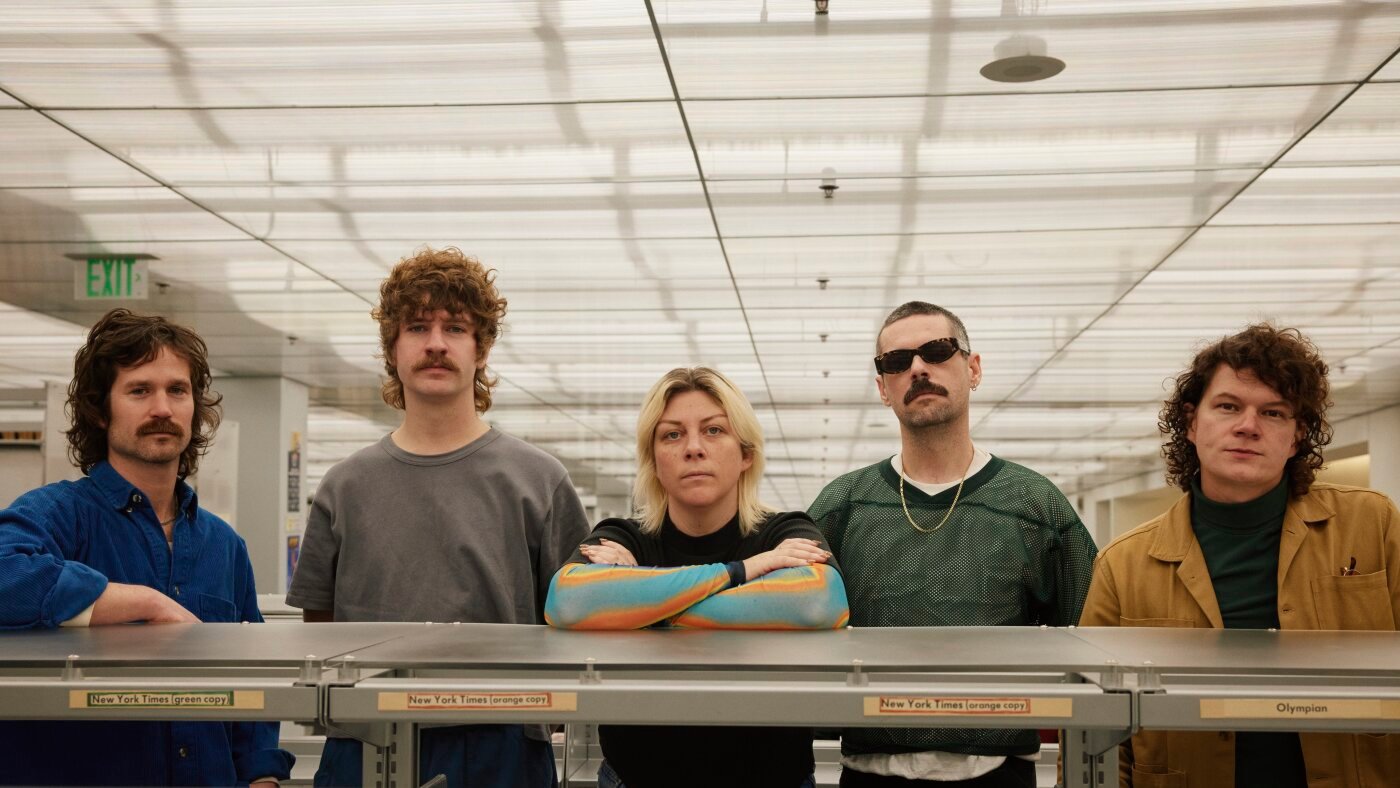
Tech Money Gentrifies Seattle, Forcing Indie Bands to Satirize Their Own Hometown
Industry Sentiment
===
Competitive
What’s Happening at a Glance
- Indie-punk band Telehealth releases satirical album about tech-driven gentrification
- Rising tech industry costs displacing artists and creatives from Seattle neighborhoods
- Album uses tech industry jargon like "yassifying" and "ROI-ing" to critique late-stage capitalism
- Band frames their music as both protest and call to community action
Summary
The technology boom in Seattle has reached a cultural tipping point, as indie-punk band Telehealth reflects on how tech money has fundamentally altered the city's creative landscape. Alexander Attitude and Kendra Cox, members of the band, witnessed firsthand how rising rents driven by tech industry expansion displaced artists and eroded the city's independent identity. Their new album "Green World Image" serves as sharp satire of contemporary capitalism, using tech-savvy language to critique the very industry transforming their home. The album represents both lamentation and mobilization – documenting displacement while calling for community solidarity among those left behind by rapid technological progress.
Why This Is Happening
Seattle's transformation stems from massive tech sector growth, particularly Amazon's expansion and the broaderPacific Northwest tech ecosystem boom. Increased demand for housing from high-paying tech jobs has driven up rental costs, pricing out creative professionals and independent artists who historically defined Seattle's cultural identity. This represents an ongoing pattern of urban gentrification where creative districts become unaffordable, forcing artists into increasingly transient communities.
Key Industry Impact
- Big tech companies (Amazon, Microsoft) driving economic transformation through job creation and housing demand
- Startup ecosystem facing talent retention challenges as costs rise
- Software developers and engineers benefiting from high salaries while contributing to displacement
- Consumer technology culture changing local demographics and community structures
- Business competition intensifying for affordable creative spaces and studios
Impact on People
- Consumer experience: Artists priced out of traditional creative neighborhoods
- Privacy/data usage: Not directly addressed but implied through platform economy disruption
- Employment/jobs: Creative sector workers losing affordable spaces for work
- Pricing/costs: Dramatic rent increases affecting all residents
- Accessibility: Reduced access to affordable creative and cultural spaces
- Daily life impact: Changing neighborhood character and community cohesion
Key Technologies
- AI (not featured in source)
- Cloud (implied through tech company infrastructure needs)
- Hardware (data center expansion driving growth)
- Software (platform economies enabling remote work and digital services)
- Platforms (gig economy platforms contributing to housing demand)
Key Companies
- Amazon (primary driver of Seattle tech expansion)
- Microsoft (major Pacific Northwest tech employer)
- Telehealth (representing displaced creative community)
Future Outlook
Seattle's creative communities will likely continue facing affordability challenges unless proactive policies address housing costs and artist displacement. This trend may accelerate remote work adoption, pushing talent to more affordable metropolitan areas while potentially fragmenting creative ecosystems. The tension between tech growth and cultural preservation will likely intensify as similar patterns emerge in other tech hubs nationwide.