

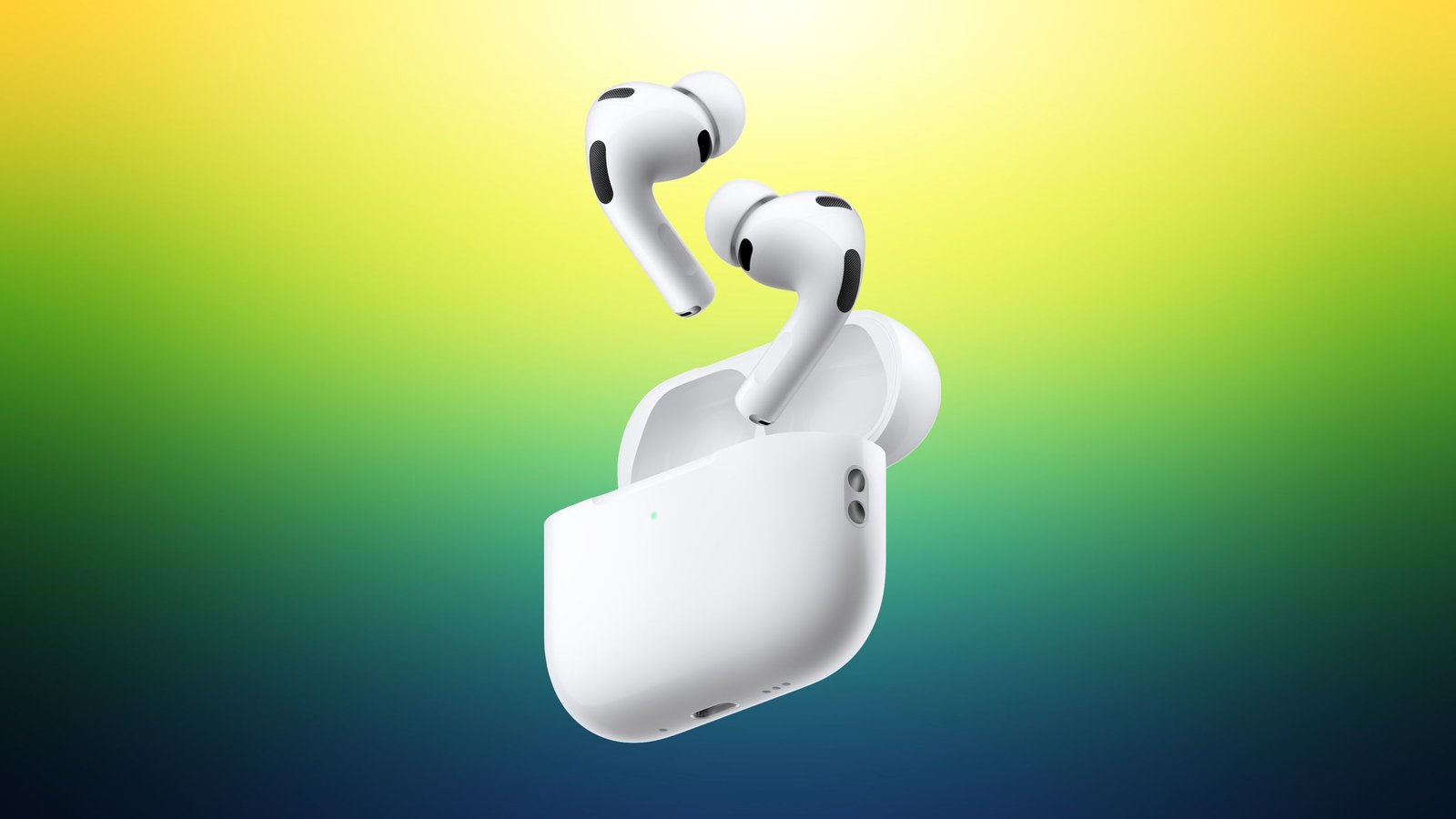
Apple’s AirPods Get Eyes – So Siri Can Finally See What You’re Looking At (And Your Hair)
Industry Sentiment
Disruptive
What’s Happening at a Glance
- Apple’s camera‑equipped AirPods are being positioned as part of the AirPods Pro lineup, not a separate “Ultra” model.
- The lens will feed visual data to Siri for Visual Intelligence, not for capturing photos or videos.
- macOS 26.7 code and a hidden video confirm the hardware is near‑ready, with a likely launch this year (2025) alongside iOS updates.
- Apple originally targeted a 2026 debut but moved the release forward to align with its upcoming Siri AI rollout in September.
- Competitors such as Meta’s Ray‑Ban Glasses and Rokid smart glasses already offer similar real‑world visual assistance.
Summary
Apple is reportedly developing a camera‑enabled AirPods model that will sit within the AirPods Pro family, featuring a longer stem, an LED indicator, and a sensor that streams visual information to Siri for contextual “Visual Intelligence” queries. Leaked macOS 26.7 release candidate code and a concealed video reveal a near‑final prototype, suggesting the product could arrive this year rather than the previously rumored 2026 date. While earlier Bloomberg reports hinted at an “AirPods Ultra” branding, the current evidence points to a Pro‑tier name and a price point near the existing $249 AirPods Pro 3, implying modest premium pricing. The camera’s purpose is to let Siri analyze the user’s surroundings – e.g., identifying objects, saving moments, or alerting when the lens is obstructed – rather than to serve as a traditional camera.
The delay in the AirPods’ launch was attributed to challenges integrating the camera with Siri’s AI capabilities, a hurdle that appears to have been resolved as Apple aligns the product’s debut with its broader AI strategy. This move reflects Apple’s effort to embed richer, context‑aware intelligence into its wearable ecosystem, competing with existing smart‑glass solutions from Meta, Looki, and Rokid. The timing and naming choices also signal Apple’s intent to keep the AirPods line competitive within its premium audio segment while preparing for future hardware expansions, such as potential smart glasses.
Why This Is Happening
Apple is integrating a camera into AirPods to embed Visual Intelligence directly into its audio‑first wearables, responding to growing consumer demand for hands‑free, context‑aware assistance. The company’s broader AI push – evident in iOS 26/27 updates, Apple Intelligence, and Siri enhancements – requires richer sensor data, and the camera provides that without needing a separate device. Competitive pressure from Meta’s Ray‑Ban Glasses and other visual‑AI wearables pushes Apple to accelerate a similar capability. Internally, Apple’s practice of developing multiple prototypes (e.g., codename B790 vs. B798) indicates iterative refinement before a public launch, and the decision to brand the product as “Pro” rather than “Ultra” suggests a pricing strategy that avoids a high‑end “Ultra” moniker while still differentiating it from standard AirPods.
Key Industry Impact
- Big tech impact: Apple’s integration of computer‑vision sensors into audio wearables expands its AI ecosystem and blurs the line between audio and visual interfaces.
- Startup ecosystem: Competitors like Meta and Rokid may accelerate their own camera‑audio hybrids, intensifying market rivalry.
- Developers/engineering: New APIs for Visual Intelligence will require developers to adapt apps for camera‑augmented audio interactions.
- Consumer technology: Users gain real‑time object recognition and contextual assistance without pulling out a phone, reshaping daily interaction patterns.
- Regulatory implications: Continuous video‑based data capture raises privacy concerns and may trigger stricter scrutiny or legislation.
- Business competition: Apple’s move pressures other audio‑device makers to add visual features or differentiate on audio quality and privacy controls.
Impact on People
- Consumer experience: Hands‑free visual queries let users ask Siri to identify or save what they see, enhancing convenience.
- Privacy/data usage: Continuous visual data streaming to the cloud introduces new privacy risks; Apple will need transparent controls.
- Employment/jobs: Engineering and AI training roles may expand to support sensor‑fusion and Visual Intelligence features.
- Pricing/costs: Anticipated premium pricing could affect adoption among price‑sensitive consumers.
- Accessibility: Visual assistance may improve accessibility for users with hearing or vision impairments.
- Daily life impact: Enables quick, glance‑free information retrieval, potentially changing how people interact with their environment.
Key Technologies
- AI (Visual Intelligence)
- Cloud processing
- Hardware (camera sensor, stem design)
- Software (Siri integration, iOS/macOS)
- Platforms (iOS, macOS)
- Infrastructure (cloud services for real‑time analysis)
- Cybersecurity (data protection for visual streams)
Key Companies
- Major corporations: Apple (primary), Meta (Ray‑Ban Glasses), Rokid (smart glasses)
- Startups: Looki (pendant), other AR/VR camera‑audio startups
- Investors/partners: Not explicitly identified in the sources
Future Outlook
Apple’s camera‑AirPods are likely the first step toward a broader suite of vision‑augmented wearables, potentially leading to dedicated AR glasses or advanced smart‑glasses in the next few years. As Visual Intelligence matures, we can expect deeper integration across Apple’s device lineup, tighter privacy safeguards, and increased competition that may accelerate innovation in low‑power camera sensors and AI processing for everyday audio devices.