
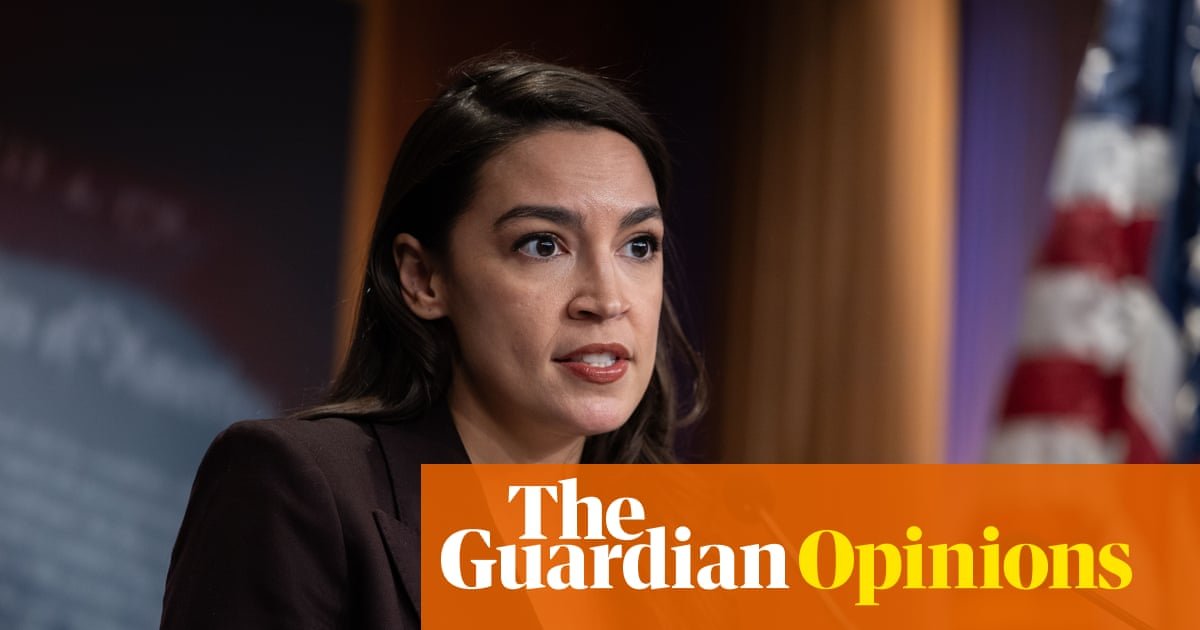
AOC Says “Woke 1.0 Was Crazy” – Still Wants to Cancel the Police, Because Who Needs Law Enforcement Anyway?
What’s Happening at a Glance
- AOC admits “Woke 1.0 was crazy” in ABC This Week interview, but still pushes for radical reforms like defunding police and the military.
- She explains the term “woke” evolved from Black vigilance to a political buzzword weaponized by the far right.
- A Black scholar leaves Bates College after mandatory “woke” curriculum courses, citing loss of academic freedom.
- The debate fuels intra‑party conflict and gives conservatives a rallying point to label progressive policies as radical or communist.
Summary
Alexandria Ocasio‑Cortez recently told ABC This Week that “Woke 1.0 was crazy,” acknowledging that the early wave of progressive activism – characterized by calls to defund police, overhaul curricula, and enforce strict language policing – was overblown. Yet she remains committed to many of those same radical proposals, arguing that the rhetoric has shifted but the goals of racial justice and economic equity stay the same. The term “woke,” once a Black slang warning against white supremacy, has become a catch‑all for politically correct policies that critics claim threaten free speech and individual liberty.
The controversy is illustrated by the experience of Tyler Austin Harper, a Black scholar at Bates College, who left academia after the university mandated courses that dissect white supremacy and colonialism in every discipline. Harper’s departure underscores how “woke” policies can alienate faculty and students who feel their academic freedom is under attack. The debate has split Democrats between progressives who push for sweeping reforms and centrists who fear backlash and loss of public support. With the midterms looming, the nation faces a choice between a more radical agenda and a more moderate, pragmatic approach.
Why This Is Happening
The “woke” movement gained traction during the COVID‑19 lockdowns, when social media amplified calls for systemic change. Progressive lawmakers and activists pushed for defunding police, revising curricula, and enforcing stricter language norms, hoping to address long‑standing inequities. However, the rapid rollout of these policies – often without broad consensus – led to accusations of overreach and censorship. The far right seized on the term “woke” to ridicule progressive initiatives, framing them as authoritarian or communist. Within the Democratic Party, this has created a rift: progressives argue that bold action is necessary, while centrists warn that extreme rhetoric risks alienating voters and providing ammunition for Republican attacks. AOC’s comments reflect this tension, as she tries to balance radical goals with a more measured tone.
Impact on Americans
- Potential policy shifts could lead to reduced police budgets, affecting public safety funding and community policing programs.
- Mandatory “woke” curricula may alter university admissions, course offerings, and faculty hiring, impacting students’ educational experiences.
- Heightened political polarization may erode trust in institutions, leading to increased social division and voter apathy.
- Economic uncertainty could rise if policy changes disrupt local economies, especially in communities reliant on public sector jobs.