

Egg-cellent News: Salmonella Served Sunny-Side Up in Texas as FDA Boosts Egg Recall to “Don’t Eat This” Level
What’s Happening at a Glance
- Nearly 1.6 million dozen cage‑free eggs from Midwest Poultry Services in Texas recalled due to salmonella risk
- FDA upgraded recall to Class I, the highest‑risk category, after 98 illnesses and 26 hospitalizations across 17 states
- Recalled eggs have sell‑by dates through 17 August and were sold at Kroger, Brookshire Grocery, and other retailers in TX, LA, AR, OK, NM, MS
- Recall comes amid a wave of food‑safety crises, including a cyclosporiasis outbreak linked to lettuce (>13,000 cases) and a jalapeño salmonella recall
Summary
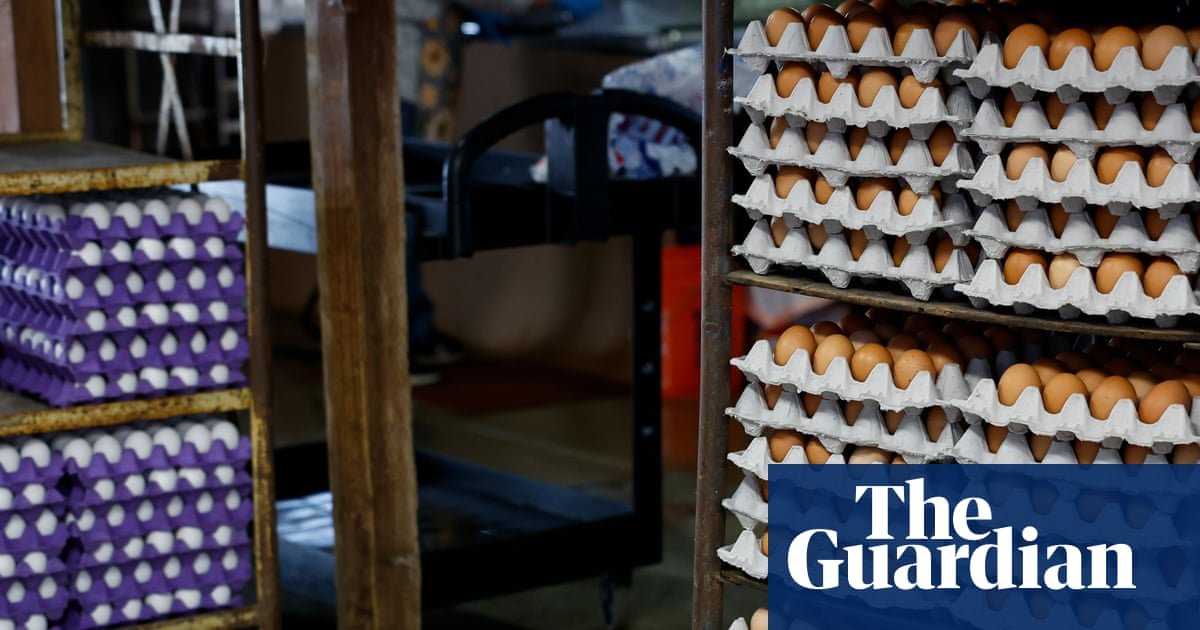
The FDA has reclassified a recall of almost 1.6 million dozen white and brown cage‑free eggs produced by Midwest Poultry Services in Texas to a Class I warning after salmonella contamination was detected. As of late July, 98 people in 17 states fell ill, with 26 requiring hospitalization; no deaths have been reported. The contaminated eggs were distributed to Kroger stores in Texas and Louisiana, Brookshire Grocery locations across several southern states, and various smaller outlets, with sell‑by dates extending to mid‑August. The company halted fresh egg distribution from its Texas farms on 22 July after identifying the issue through internal monitoring. This egg recall is part of a broader pattern of foodborne illness outbreaks in the U.S., including a major cyclosporiasis outbreak tied to lettuce and a salmonella recall of jalapeño‑containing products. The FDA also announced modest changes to ingredient‑notification rules, which critics say fall short of the administration’s pledge for a major food‑safety overhaul.
Why This Is Happening
The recall stems from Salmonella detection during routine environmental testing at Midwest Poultry Services’ Texas facilities. The company’s proactive monitoring uncovered the contamination, prompting an initial voluntary recall that the FDA later elevated to Class I due to the potential for serious health consequences. This event occurs against a backdrop of rising food‑safety concerns: the nation is grappling with one of its largest recorded foodborne illness waves, highlighted by over 13,000 cyclosporiasis cases linked to lettuce and a separate salmonella outbreak tied to jalapeños. The Trump administration has faced criticism for rolling back or weakening certain food‑safety regulations, and while the FDA recently tweaked ingredient‑notification requirements, advocates argue the changes do not address systemic gaps that allow contaminated products to reach consumers.
Impact on Americans
- Risk of severe gastrointestinal illness, hospitalization, and, in vulnerable populations, life‑threatening complications from salmonella exposure
- Financial burden on affected households due to medical costs, lost wages, and the need to discard or return recalled eggs
- Eroded consumer confidence in egg safety and broader food supply chains, potentially shifting purchasing habits toward pricier, perceived‑safer alternatives
- Increased pressure on retailers and distributors to manage recalls, handle refunds, and implement stricter supplier audits, which may lead to higher operational costs passed on to shoppers